FREE Shipping in Singapore (All Items) | $10 to Malaysia & Brunei | $15 to everywhere else | $60 vis FEDEX or $30 Vis SingPost to USA
* Overseas rate applies to small items only - large items may cost more.
FREE Shipping in Singapore (All Items) | $10 to Malaysia & Brunei | $15 to everywhere else | $60 vis FEDEX or $30 Vis SingPost to USA
* Overseas rate applies to small items only - large items may cost more.
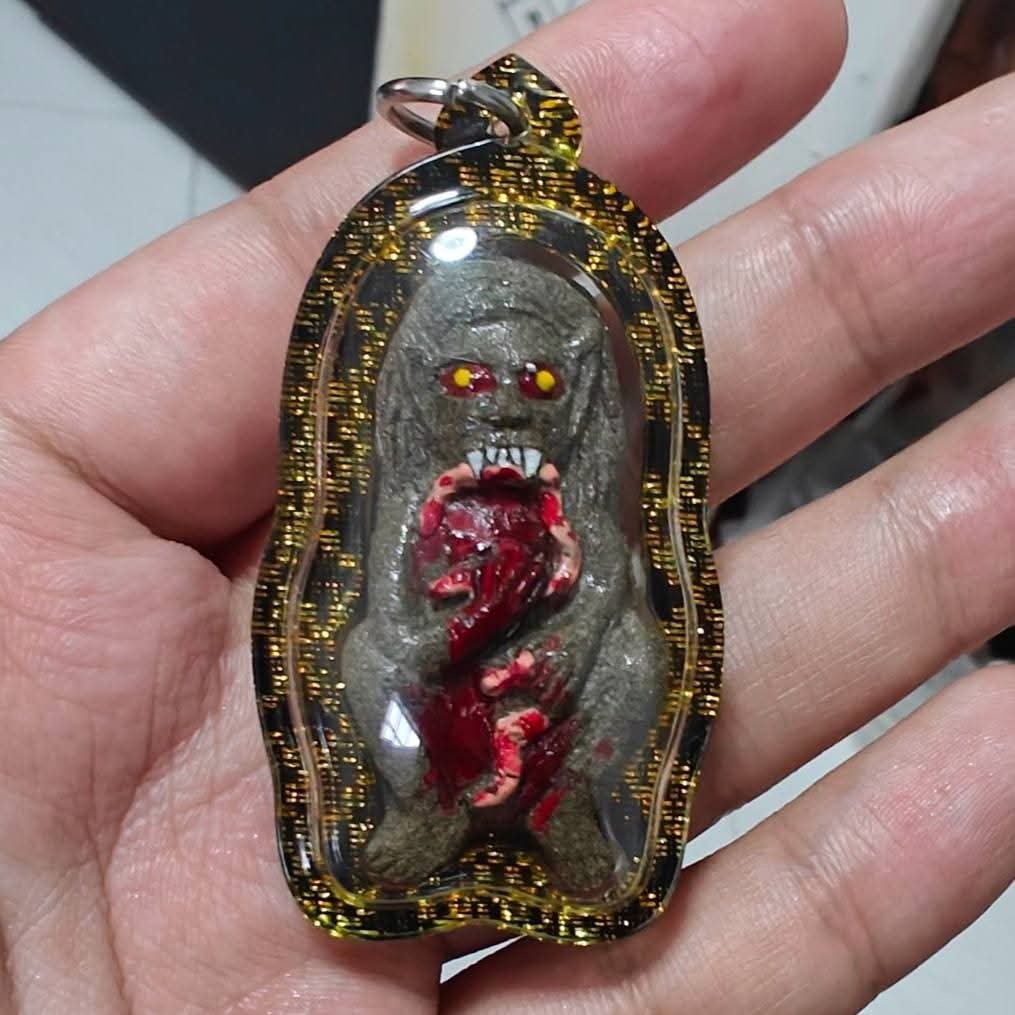
For those who have never heard of Hakom before, its full name is Phaya Ghob Hakom.
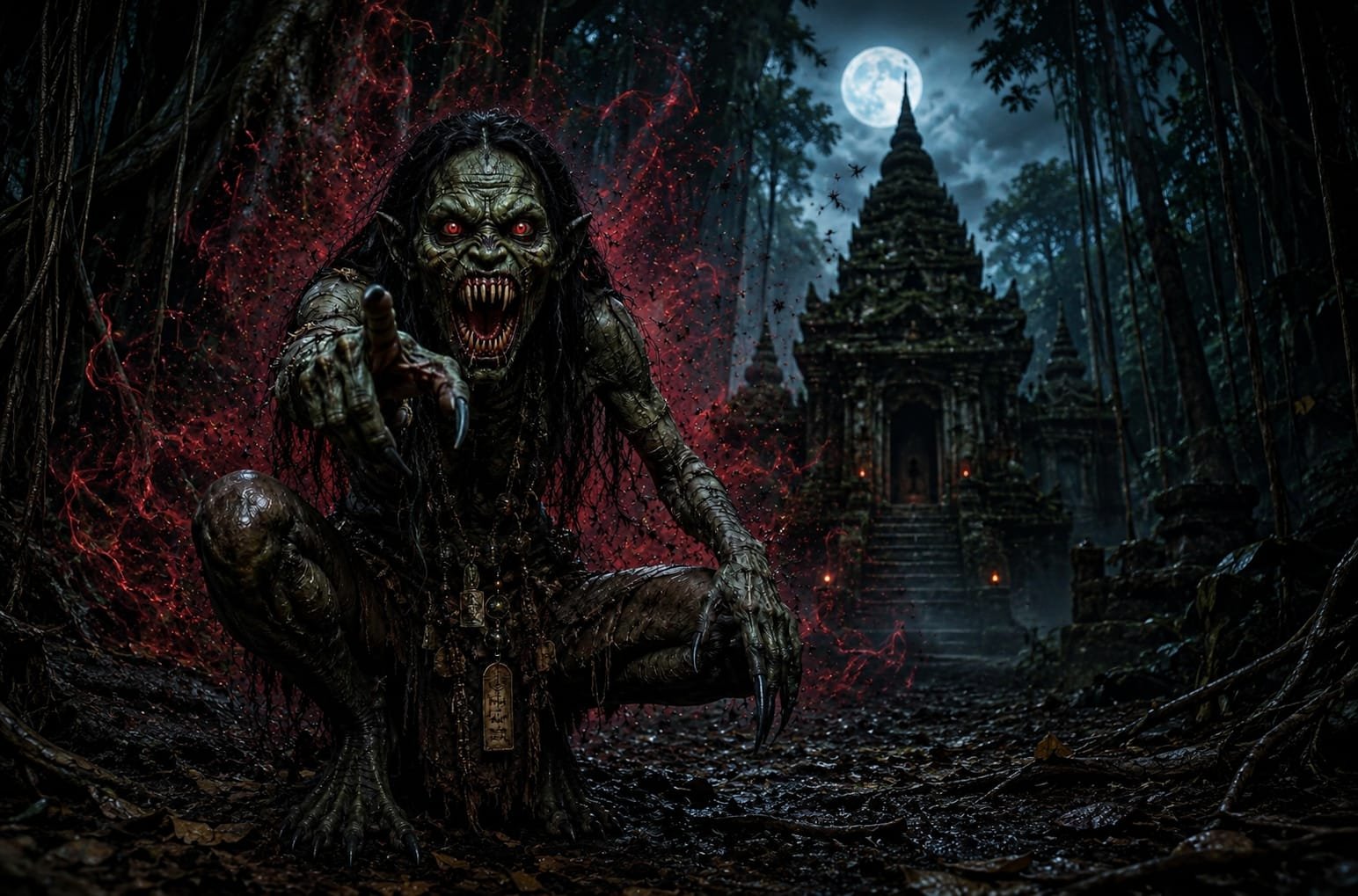
Hakom is not a normal spirit. In Thai occult belief, people treat him as a ghoul, a being that is half living and half dead. He is said to be 1000 times stronger than normal spirits, and people also know him as the Lord of Ghosts.
Before going deeper, separate two things first. Hakom is the ghoul. Hakom wicca means the occult knowledge, method and spiritual way of calling, controlling, tasking, and placing the force into an amulet, bucha, takrut, ritual tube, see pheung or other item.
In this article, wicca does not refer to the western religion. It refers to Thai occult method and spiritual knowledge.
Not every master knows how to use Hakom. Many people may know the name, but knowing the name and knowing how to properly control the wicca are two very different things. Masters usually guard this knowledge closely, and only pass it down through proper lineage to selected people who can handle it.
What Is Hakom?
Hakom is a ghoul. Some people compare him to the western idea of a zombie, but that only gives a rough picture. In Thai occult understanding, He is not simply a dead body or a normal ghost. He carries something much heavier.
Some explanations say Hakom comes from the ghoul of a person who had magical skills when alive. This person could have been an Ajarn, meaning a master or teacher, a Lersi, meaning a hermit master, or someone who already knew how to use occult wicca.
After using too much magic wrongly, getting overwhelmed by too many spirits, or losing control of the forces around him, that person slowly changes into something else. Not just a normal ghost, but Hakom.
Heavy Spirit Explanations
Some explanations describe another way such a heavy being can come about.
Thai belief has many feared spirit, such as Pop and Krasue. Certain explanations may also mention Phi Pong and other heavy spirit types, combining into Hakom as they consume each other. Do not treat them as the same thing as him, and do not mix them together as if they are one being.
These names appear here only because some explanations use them to describe how a spirit force may become heavier, darker and harder to control over time. Different masters may explain this through spirit fights, one spirit consuming another, a person losing control of occult force, or many spirit forces slowly combining.
Do not treat this as one fixed origin story. Different masters and different lineages may explain it differently. The simple point is this: Hakom is not a normal spirit. People treat him as something heavier, darker, more forceful, and far more dangerous when an owner handles him wrongly.
Why People Love Hakom
People love Hakom because he is said to be 1000 times stronger than normal spirits.
A normal spirit may help, disturb, follow, protect, attract or bring luck. Hakom works differently. Owners believe he can pressure, follow, curse, defend, retaliate and carry out tasks with much stronger force.
This is not something people keep casually. A soft amulet may help gently with charm, luck or protection. He gives a more direct force. When used properly, he can pull wealth and sales, assist with windfall luck, pressure difficult people, help with debt matters, protect the owner, and fight back when the owner gets wronged.
That same direct force also makes him dangerous in the wrong hands. Old stories talk about some practioners knew how to send Hakom out, but did not know how to properly call him back. They knew how to open the door, but not how to close it. Because of this, some people feared him. Not because he is useless, but because the force can become too heavy when someone mishandles him.
Hakom And People Who Practise Magic
Some masters also say Hakom can attack people who practise magic. The actual reason does not appear clearly across every explanation, so we should not exaggerate it or turn it into a fixed theory. Still, this belief makes people who understand occult wicca treat Hakom with fear and respect.
This is why the master behind Hakom matters. The lineage matters. The method matters. The control matters. Without proper control, he can become a problem instead of a helper.
Phu Lersi Pong, Ajarn Tom & Hakom In The Current Era
In the current era, Phu Lersi Pong stands as one of the most important people connected to Hakom.
He taught this wicca to Ajarn Tom, and many others in the Isan region. This matters because a person cannot learn thhis just by copying a yant, reading a spell, or making a fierce-looking amulet. The master must know how to call Hakom, control him, direct him, and keep him from turning wild.
Through Phu Lersi Pong, Ajarn Tom learned the Hakom wicca and later became one of the modern masters known for making Hakom. Multiple Ajarns in the Isan area also know the core wicca of Hakom today, but this does not mean it has become common.
Knowing the core, receiving permission to use it, and having the ability to control, consecrate and make a proper Hakom piece all sit on different levels. One master may know the name. Another may know some part of the wicca. But controlling him properly and placing the force into an item takes another level.
For Hakom, the lineage matters. The master matters. The method matters. Without these, the name “Hakom” is only a name.
The 5 Main Uses
Generally speaking, Hakom has five main directions: wealth, cursing, saneh, following and protection.
Each direction has its own use. Some owners keep Hakom mainly for wealth and luck. Others keep him for debt matters, protection, pressure, charm, or more forceful work. This is why he cannot fit into only one category. He is not only for wealth, not only for cursing, not only for saneh, not only for following, and not only for protection.
Hakom is purpose-oriented. The owner keeps him because there are things that need to be done.
Wealth, Sales And Windfall Luck
Wealth, sales and windfall luck is one of the main reasons why many people keep Hakom. Over the years, Hakom has built a very strong reputation as one of the strongest beings for wealth matters, business support, easy sales closure, successful deals, gambling luck, windfall luck and sudden opportunities.
Many owners have shared reviews of smoother business deals, easier sales closure, customers coming in, payments moving, luck improving, and unexpected money matters opening up after keeping Hakom. Because of this, He should not only be seen as a dark offensive amulet. Yes, he has a forceful and dangerous side, but many people keep him mainly for wealth, luck and business movement.
Cursing, Destruction And Offensive Force
Cursing, destruction and offensive force is the darker side of Hakom. He can pressure enemies, deal with people who caused harm, fight back against those who wronged the owner, break through stubborn problems, and damage the path of those who keep blocking the owner.
Treat this side carefully. The old warning is simple: be careful what you ask for. He is forceful, and karma still applies.
Saneh, Charm And Attraction
Saneh, charm and attraction is another side of Hakom. Even though he is dark and forceful, people also use him for charm, attraction, popularity, influence, love matters, customer attraction, and making people come closer to the owner.
This is not the same as a soft sweet charm. He pulls with a heavier force.
Following And Debt Matters
Following and debt matters means Hakom can follow, track, pressure and push matters that have not settled. People often connect Hakom to debt chasing, negotiation, settlement, repayment, broken promises, and those who refuse to move when they should.
For matters that feel stuck, this following side is one of the reasons owners keep him.
Protection
Protection is the fifth main direction. Hakom can protect the owner, guard the house, block trouble, defend against unseen problems, and protect against people who come with bad intentions.
This protection is not the soft type. He does not only stand there quietly. He can push back, pressure, disturb and block what should not come near the owner.
Different Forms
Masters can make Hakom items in different forms, depending on the purpose.
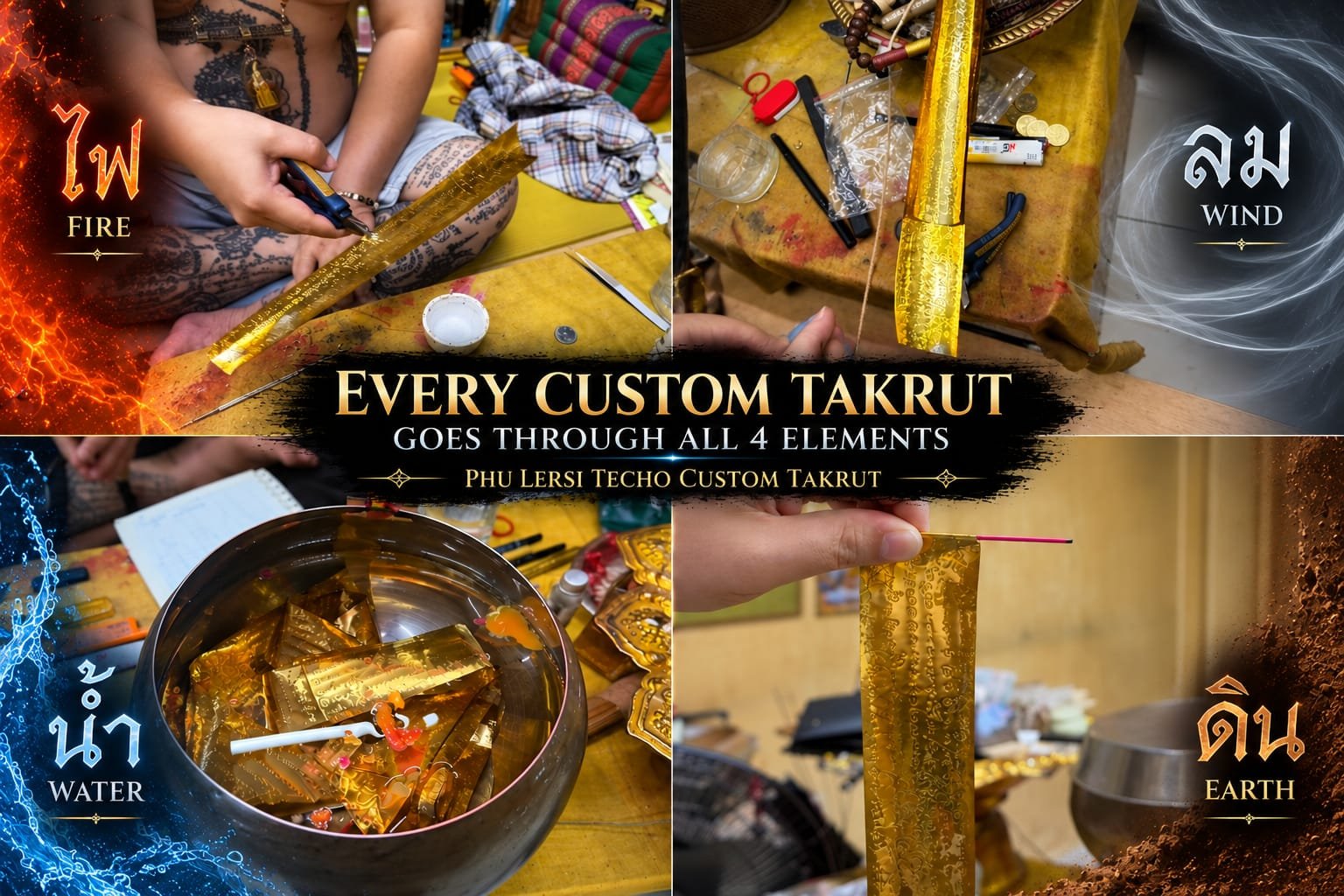
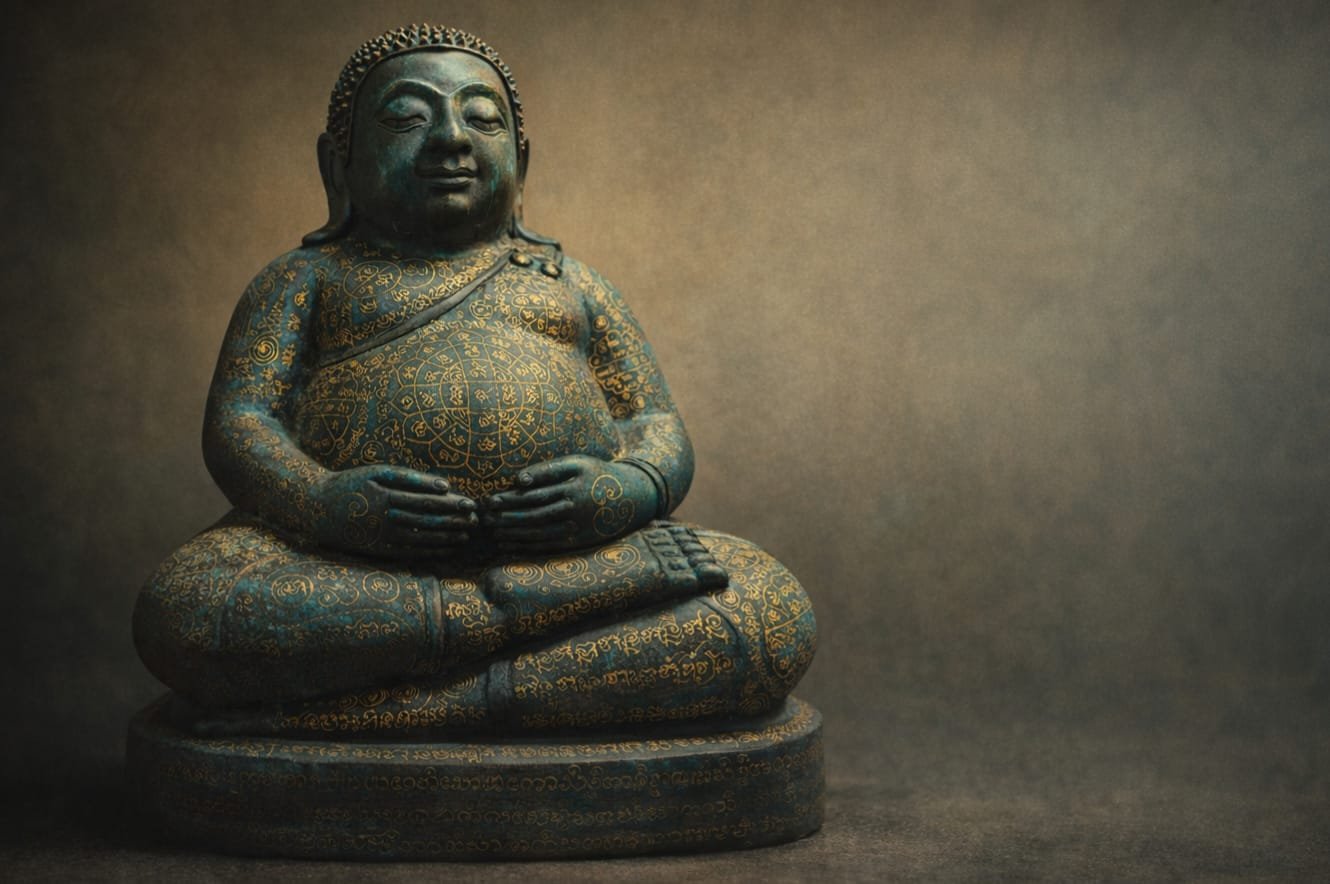
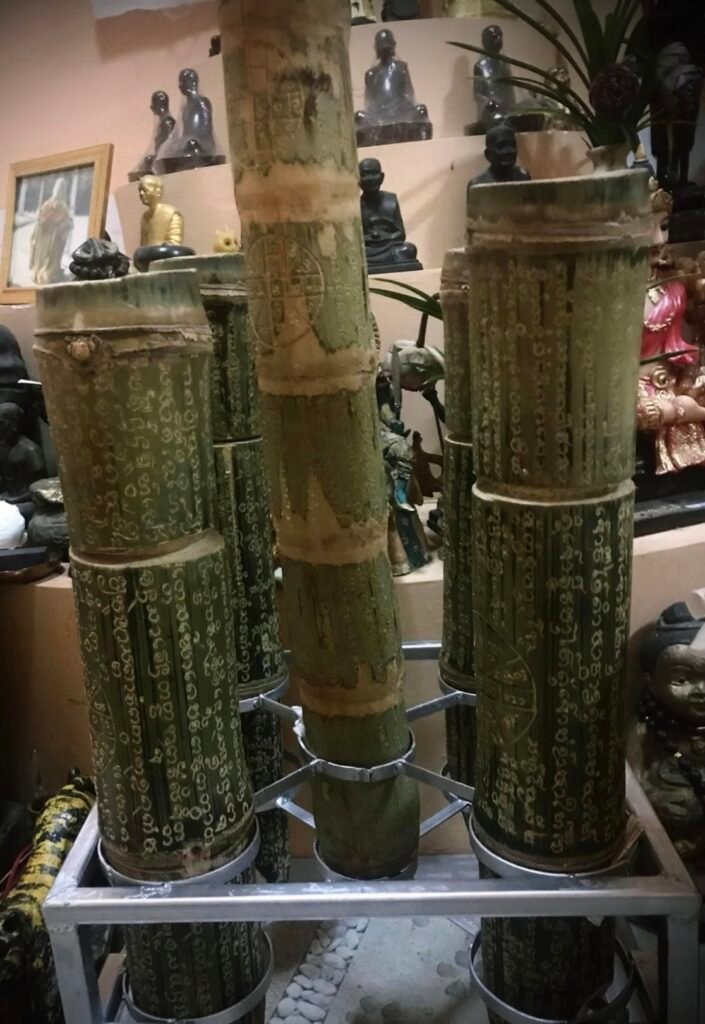
Some come as bucha (statue). Others come as amulets, takrut, ritual tubes, or see pheung, which is a type of sacred wax often used for attraction, charm, sales and human connection.
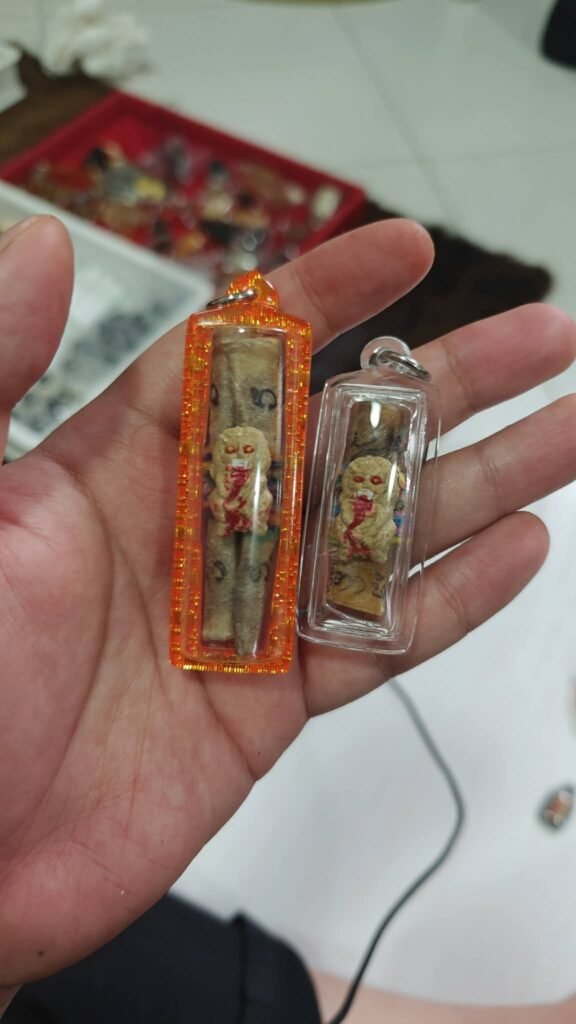
The form may differ, but the main point stays the same. What matters is the Hakom wicca, the master, the materials, the process, and whether the master properly placed the force into the item.
Bang Fai Zum
Bang Fai Zum is one of the ritual tube forms connected to Hakom. It is not just made for display. The master can use it during rituals, and depending on the piece and instruction given, individual owners can also use it for DIY ritual and tasking.
This is especially useful when the owner aims the effect at a particular person, a particular matter, or a specific request, instead of just general wealth, luck, protection or attraction. In simple terms, a normal amulet may be kept for overall support, while a Bang Fai Zum style ritual item gives the owner a more focused way to direct the request.
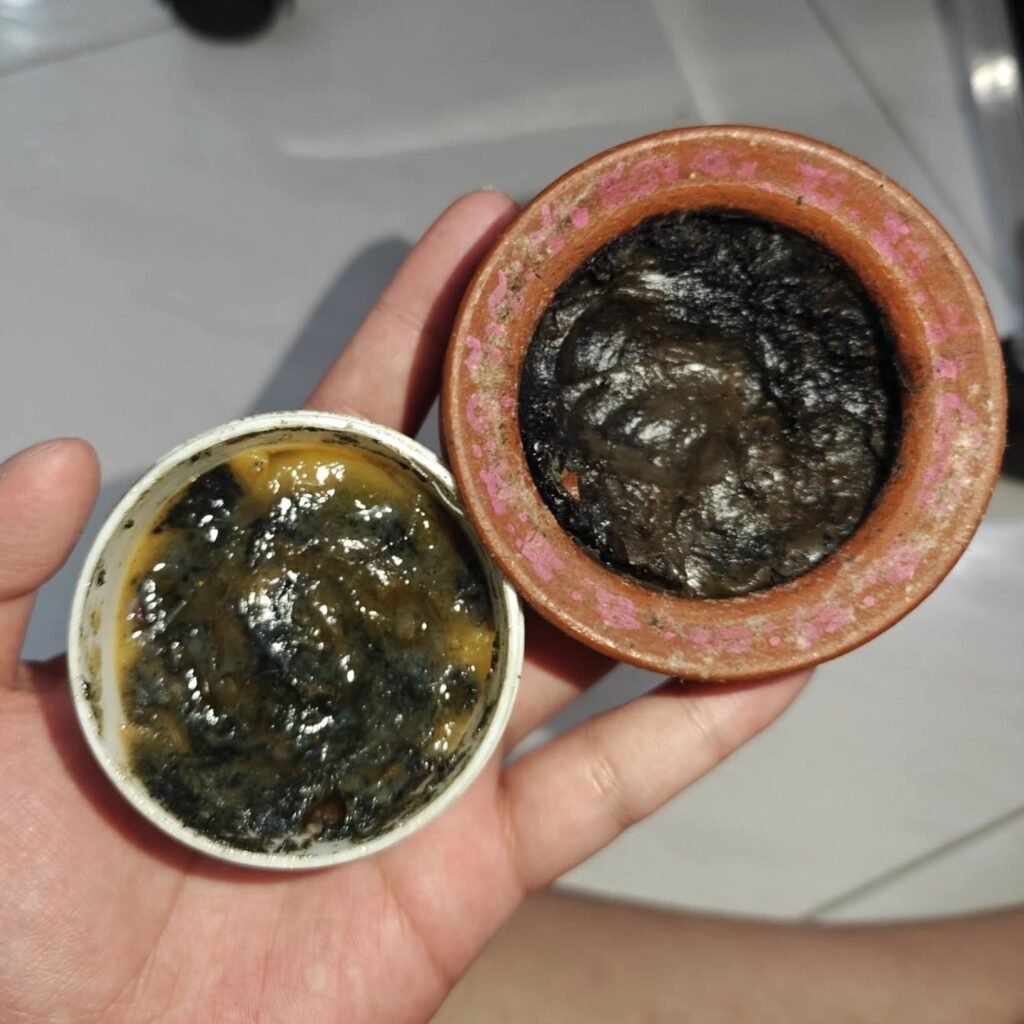
Hakom See Pheung
Masters can also consencrate see pheung using Hakom wicca.
Normal see pheung usually supports charm, attraction, human connection, sales, persuasion and pulling people closer. When he is consecrated in see pheung form, the nature becomes heavier and more direct.
This is not the same as a soft sweet charm wax. Hakom see pheung still carries the force of the ghoul. People may use it for attraction, charm, sales and pulling people, but the nature is darker, heavier and more forceful.
Why Some Hakom Pieces Look Simple
Many people who are new to Hakom may look at certain Hakom pieces and think they look too simple. Sometimes they may look rough. Other times, they may look plain or not beautiful at all.
For Phu Lersi Pong and Ajarn Tom, this is normal. They usually do not make Hakom pieces to win by appearance. Their focus stays on proper wicca, proper materials, proper process, and whether the force inside the piece was done correctly.
This does not mean every Hakom must look simple. Some masters may create fancy-looking pieces, and that is also fine. A beautiful piece can still be strong if the wicca, material and process are all properly done.
But if the wicca is not there, if the material is not there, and if the process was not properly done, then it is just a fancy piece of decoration. Experienced collectors do not judge it only by how clean or beautiful it looks. Fierce faces mean nothing if the wicca is empty. Beautiful casing does not create Hakom. Clean surfaces do not prove power.
For Hakom, the outside is only the body. The real value is what is inside.
Offerings And Tasking
Hakom is a very purpose-oriented type of being, so the owner should task him from time to time. He is not something to keep and forget, leaving him there to do nothing.
Speak clearly. Give clear tasks. Know what you want. Do not speak carelessly, ask blindly, or task him for every small anger or emotional moment.
Offerings may be optional, depending on the piece and the master who consecrated it. Some Hakom pieces may only require normal respect, prayer or simple offerings. Others may have specific instructions from the master. Heavier forms may accept raw beef, raw fish or raw eggs as a reward, encouragement, or to push harder.
Because not every Hakom has the same keeping method, the owner should follow the instruction given for that specific piece. The important thing is respect and control. Do not treat Hakom like a toy. Do not keep him like a normal decoration. And always remember that in traditional belief, karma still applies.
Why Hakom Is Rare
Hakom is rare because he is hard to control.
He is not easy to call, keep, or pass down. Not every person can use him safely. Many masters may know wealth wicca. Others may know charm or protection wicca. He is different because he carries both help and danger in the same body of knowledge.
A master who does not know how to control him properly should not make it. Owners who do not understand what they keep should not treat it casually. This is why true Hakom pieces remain uncommon. The name itself may be known, but real control over the wicca is not common.
The Real Point Of Hakom
Hakom, or Phaya Ghob Hakom, is one of the darker and more forceful beings in Thai occult belief.
He is a ghoul said to be 1000 times stronger than normal spirits. People know him as the Lord of Ghosts, a being between life and death, with the ability to bring wealth, support sales, open windfall luck, curse, attract, follow, pressure, protect and defend the owner.
The real strength of Hakom is in the wicca, the master, the lineage, and the control behind it. This is why Phu Lersi Pong matters. This is why Ajarn Tom matters. The lineage matters more than the outer look of the piece.
For people who only want something pretty, Hakom may not make sense. For people who understand Thai occult wicca, Hakom is not about beauty.
It is about force, control, protection, pressure, wealth, luck, and what was placed inside.
🔱𝑺𝒉𝒐𝒈𝒖𝒏𝑿 𝑨𝒎𝒖𝒍𝒆𝒕𝒔
𝑾𝒉𝒆𝒓𝒆 𝒚𝒐𝒖𝒓 𝒔𝒑𝒊𝒓𝒊𝒕𝒖𝒂𝒍 𝒋𝒐𝒖𝒓𝒏𝒆𝒚 𝒃𝒆𝒈𝒊𝒏𝒔
WhatsApp directly: https://wa.me/6580444447/
Email: shogunxamulets@gmail.com