Uncategorized
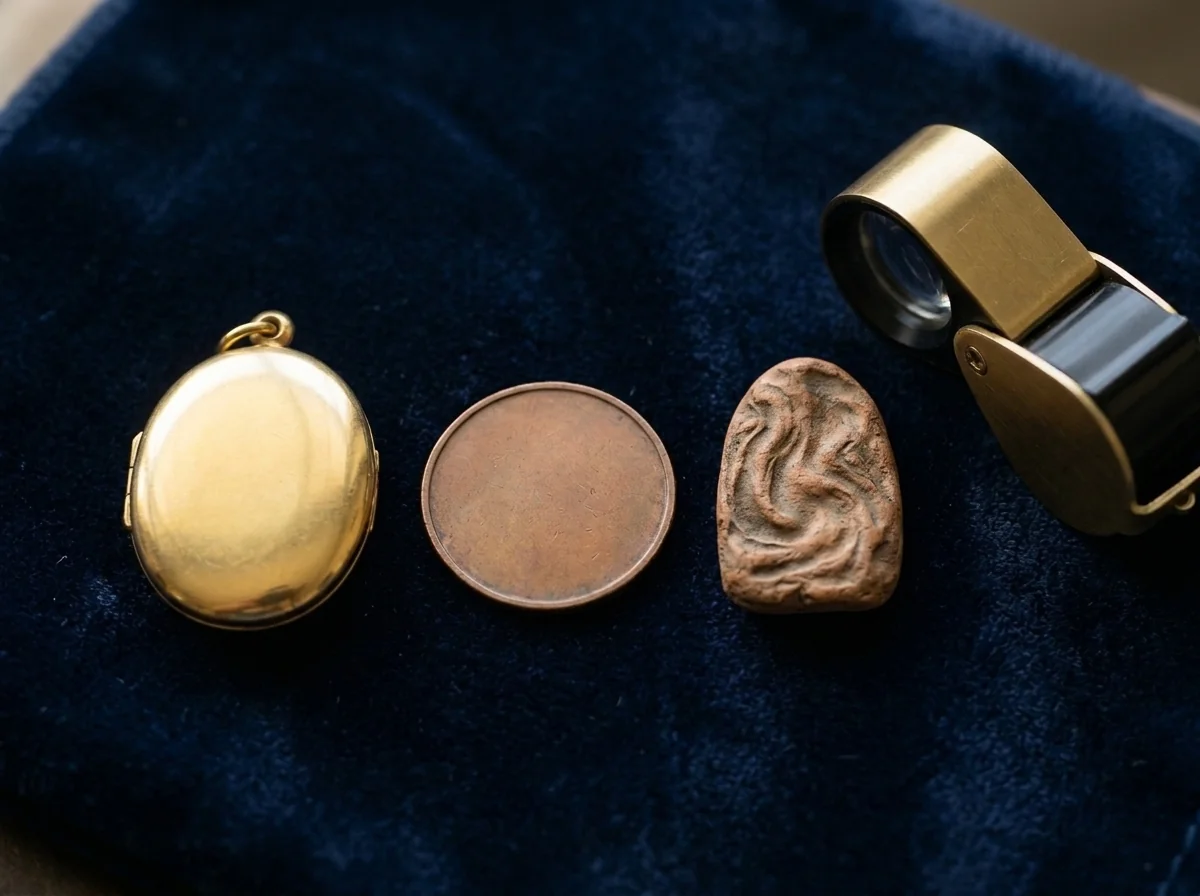
Roon raek means first batch. Learn why collectors value first-batch Thai amulets and how to read the batch size and BE year on a shop listing.
Roon raek means first batch. Learn why collectors value first-batch Thai amulets and how to read the batch size and BE year on a shop listing.
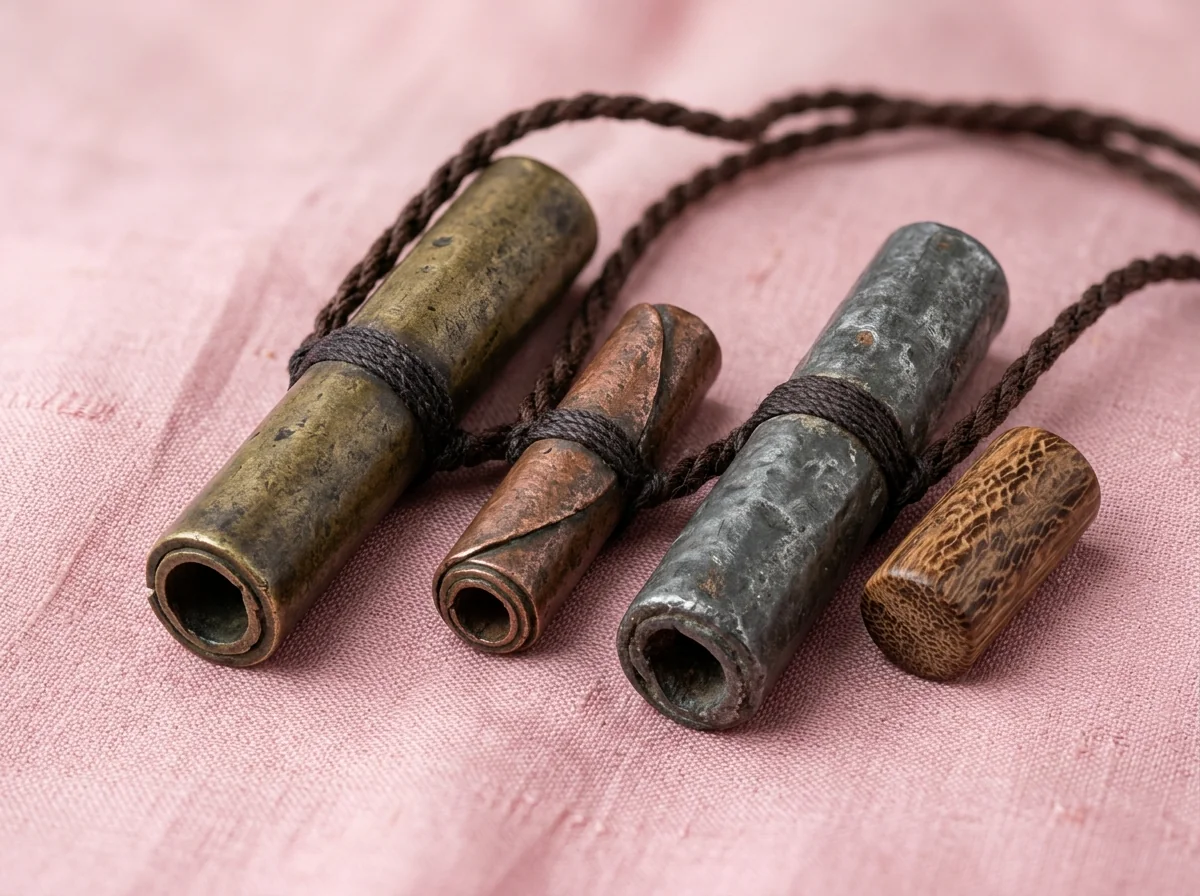
What a saneh takrut is and how keepers wear one, comparing an old Bua Bang Bai Na Ok Tek takrut, a mini Exploding Heart takrut and Mai Yae Yae wood.
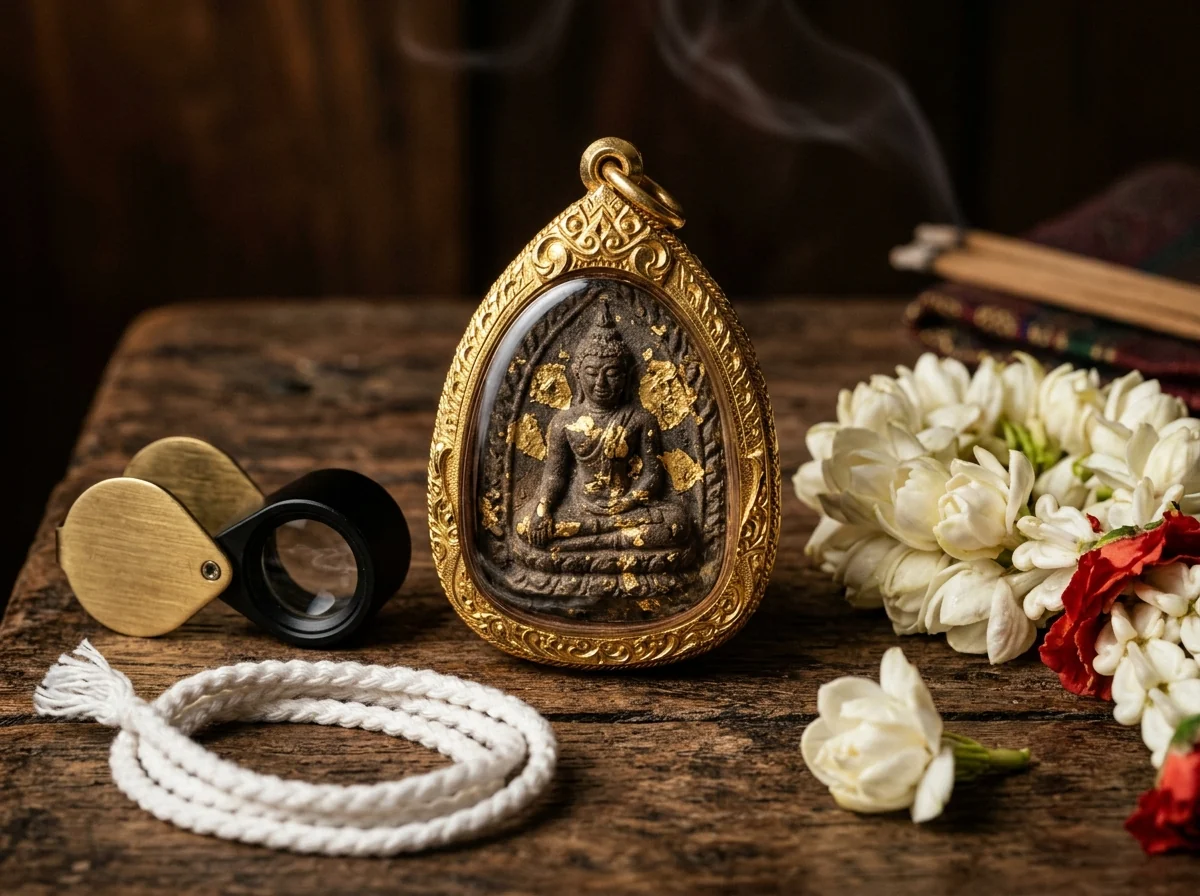
Learn how to verify authentic Thai amulets in Singapore by checking sacred Muan Sarn materials, master temple lineage, and documented batch provenance.
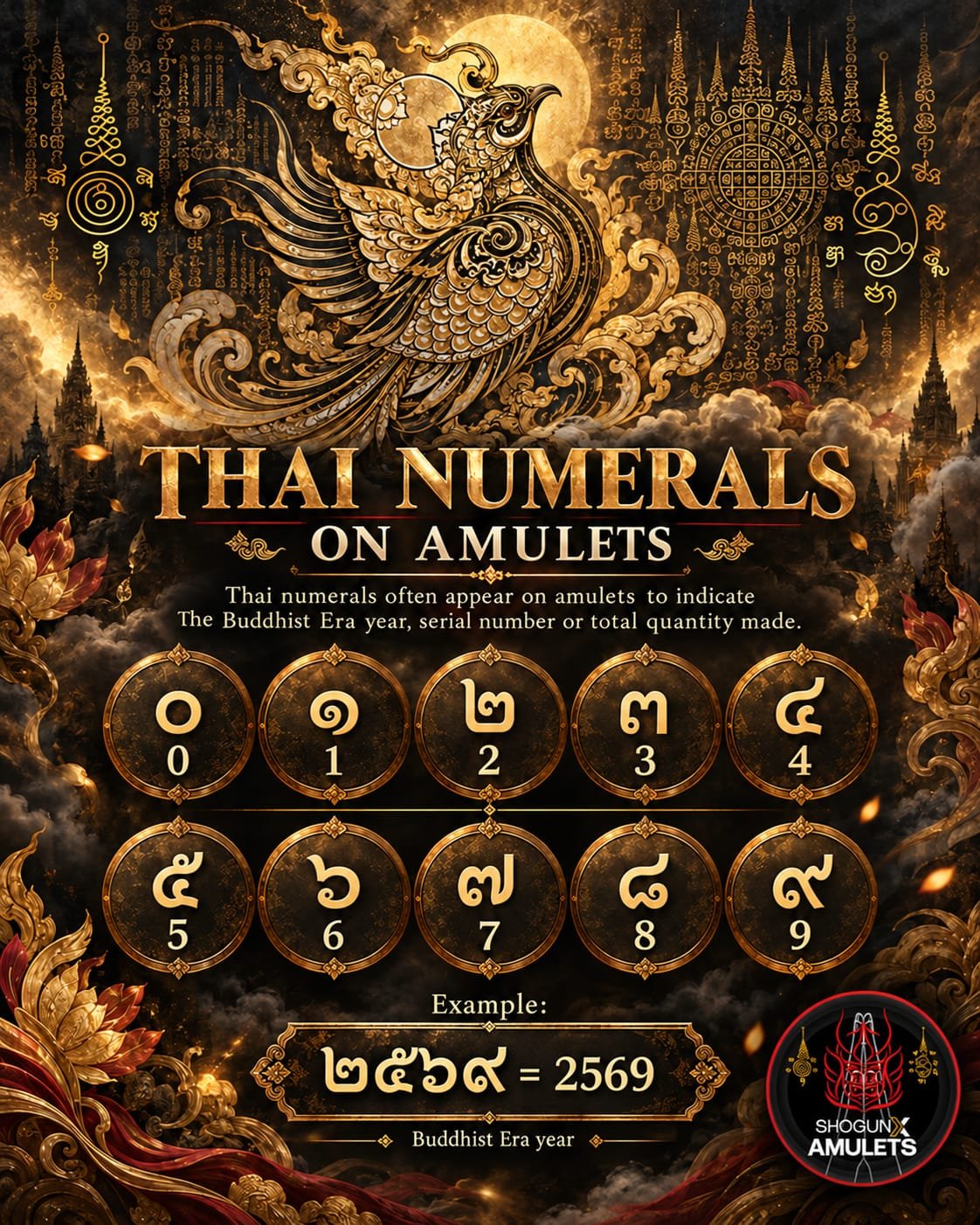
Ever looked at the back of a Thai amulet and wondered what those strange-looking symbols mean? What might look like random symbols to someone unfamiliar with Thai amulets could actually be numbers. If they’re engraved or stamped onto an amulet, they may represent its individual serial number, especially with numbered or limited-edition batches. Thai numerals are also commonly used when stating the Buddhist Era year in which an amulet was made. Knowing how to read them can come in handy, whether you’re checking a serial number or looking through information about an older amulet. Thai Numerals From 0 to 9 Thai numerals look different from the numbers we’re familiar with, but they follow the same decimal system. Thai Numeral Number ๐ 0 ๑ 1 ๒ 2 ๓ 3 ๔ 4 ๕ 5 ๖ 6 ๗ 7 ๘ 8 ๙ 9 Reading Serial Numbers on Thai Amulets Many numbered Thai amulets
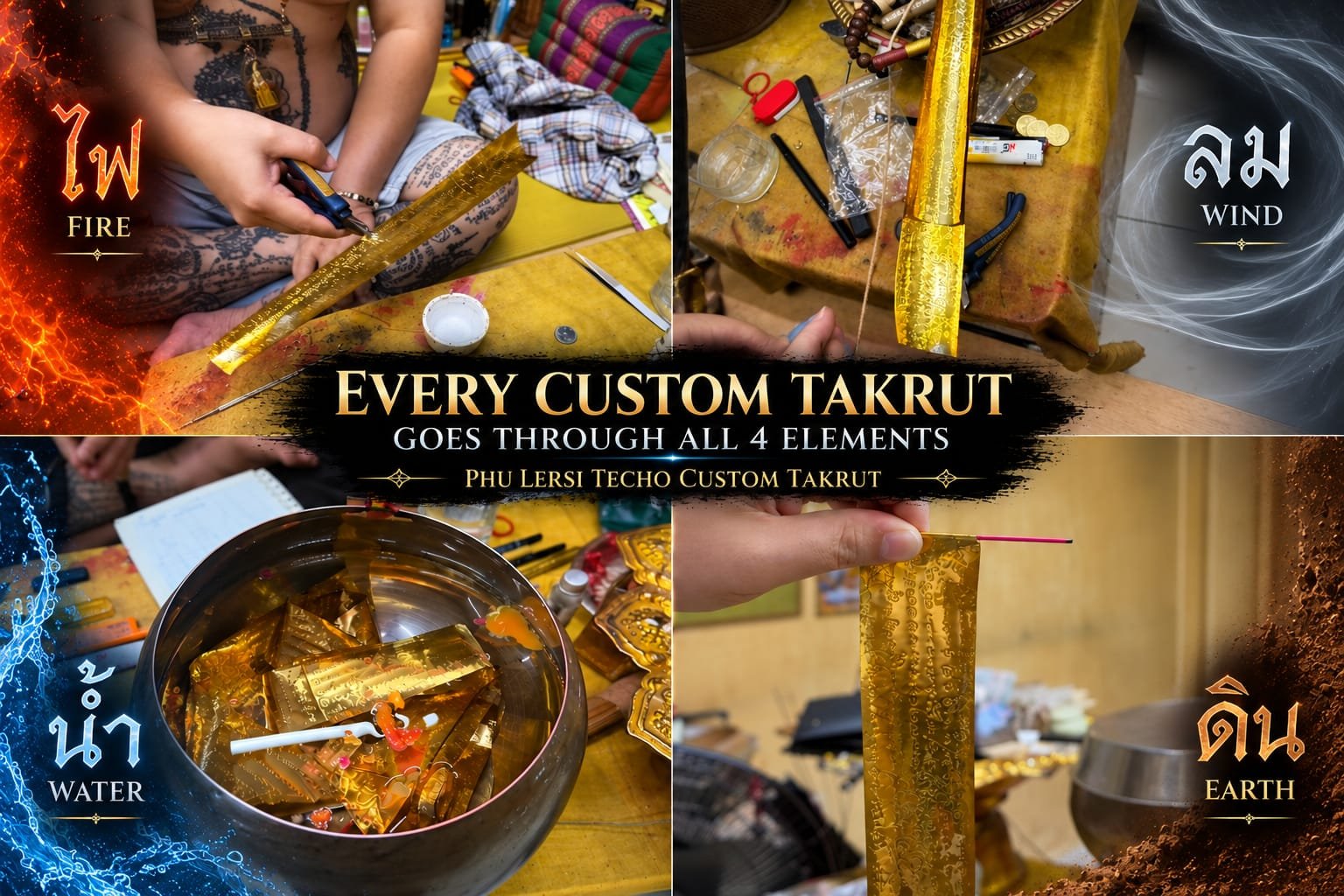
A finished takrut can look deceptively simple: a rolled metal sheet, a casing, perhaps some sacred materials sealed inside. But for Phu Lersi Techo’s custom takruts, much of what matters happens long before the finished piece reaches its owner. The writing of the yants is only the beginning. After that comes a consecration process that stretches across weeks, involving repeated chanting, different ritual stages, the Four Elements, and finally the selection and insertion of materials for the individual piece. The photographs shared here show some of the key moments, but they do not show every day, every repetition, or every chanting session in between. The Takrut Begins With the Owner Phu Lersi Techo does not prepare every custom takrut with exactly the same writing, materials or direction. The process first begins with understanding what the owner wants or needs. Some already know the effects they want and the main area
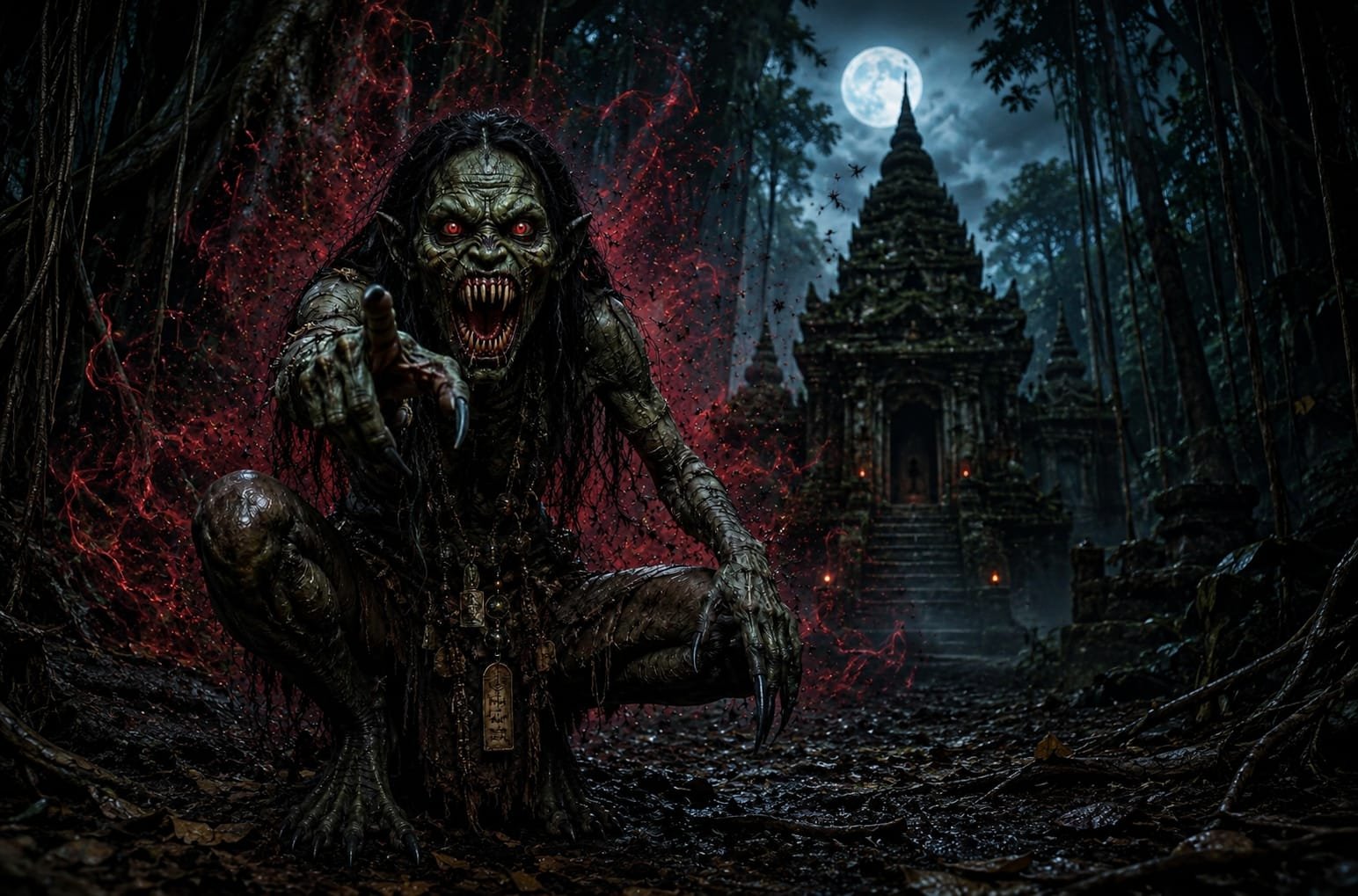
Hakom, or Phaya Ghob Hakom, is a powerful ghoul in Thai occult belief, said to be 1000 times stronger than normal spirits. This article explains Hakom wicca, Phu Lersi Pong, Ajarn Tom, the 5 main uses, different forms, offerings, tasking and why proper control matters.
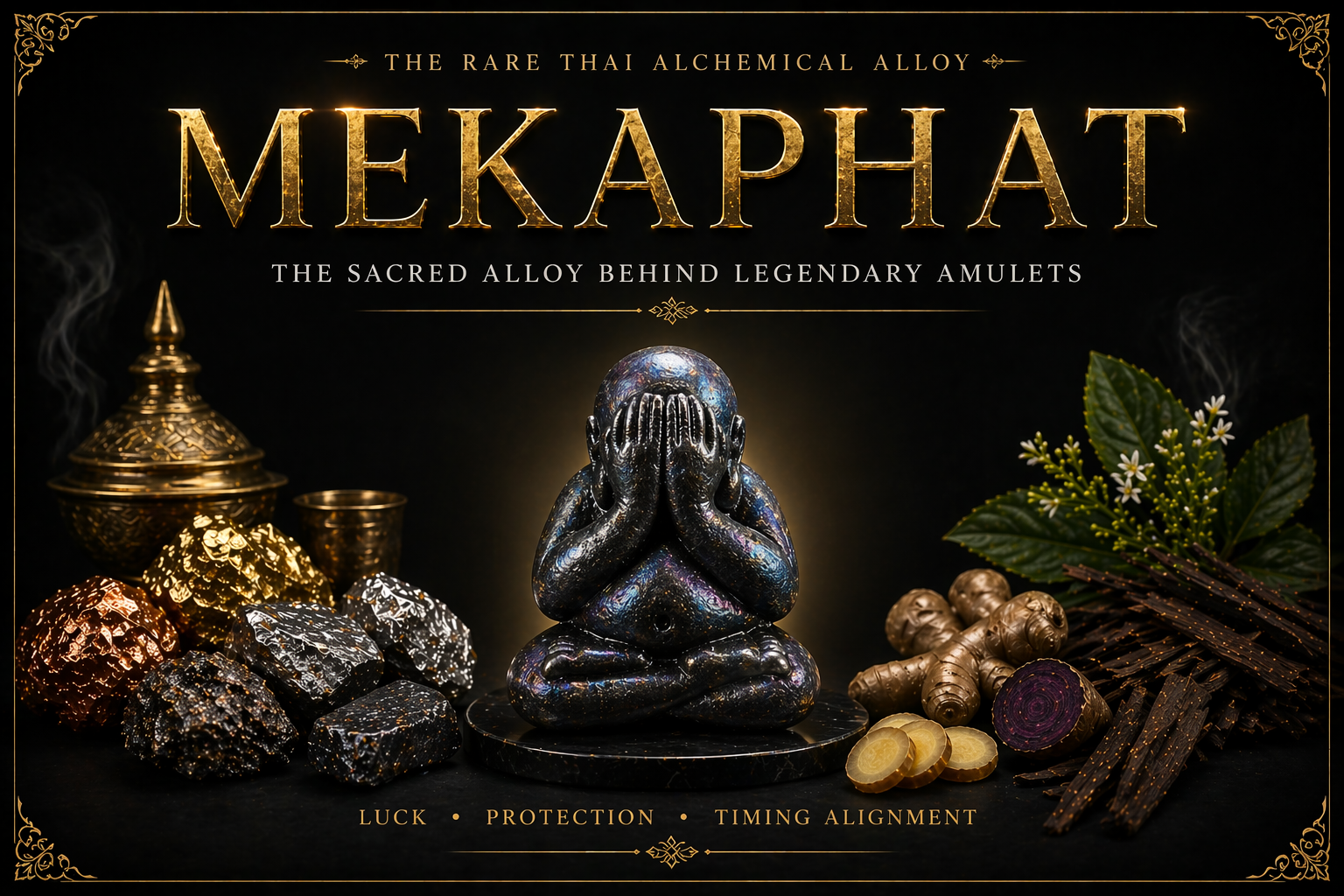
What Is Mekaphat Alloy? Mekaphat, also known as Nur Mekaphat when used in amulets, stands as one of the most respected alchemical alloys in Thai occult tradition. It is not an ordinary metal.Instead, practitioners recognise it as a material formed through a combination of metals, sacred ingredients, and ritual process. Because of this, Mekaphat carries intrinsic properties even before it is shaped into an amulet. Traditionally, it is associated with: As a result, Mekaphat has remained highly sought after across generations, with well-known pieces reaching significant collector value. Why Mekaphat Is Not Just Ordinary Metal Mekaphat does not come from simple melting. Rather, it forms through the controlled amalgamation of multiple metals, followed by sulfur-based treatment at a precise stage. When the process succeeds, the material develops a dark, glossy surface with a subtle blue-toned gleam. However, the process demands precision. If the sequence shifts, if the timing drifts, or

Sharing some grounded observations on 2026 based on Thai astrology.(This reflects the 𝗼𝘃𝗲𝗿𝗮𝗹𝗹 𝘁𝗼𝗻𝗲 𝗼𝗳 𝘁𝗵𝗲 𝘆𝗲𝗮𝗿; individual birth charts will differ.) This year is strongly shaped by 𝗦𝗮𝘁𝘂𝗿𝗻 (เสาร์) — a planet associated with 𝗱𝗶𝘀𝗰𝗶𝗽𝗹𝗶𝗻𝗲, 𝗿𝗲𝘀𝗽𝗼𝗻𝘀𝗶𝗯𝗶𝗹𝗶𝘁𝘆, 𝗹𝗶𝗺𝗶𝘁𝘀, 𝗮𝗻𝗱 𝗰𝗼𝗻𝘀𝗲𝗾𝘂𝗲𝗻𝗰𝗲𝘀.In 2026, Saturn makes a major shift on 𝟭𝟯 𝗙𝗲𝗯𝗿𝘂𝗮𝗿𝘆 𝟮𝟬𝟮𝟲, setting a slower, more serious background tone for the year. When Saturn is prominent, things don’t move quickly by luck alone.Instead, whatever is weak, rushed, or unclear tends to show its cracks. 2026 is not harsh — but it is 𝗵𝗼𝗻𝗲𝘀𝘁. 𝗢𝘃𝗲𝗿𝗮𝗹𝗹 𝗘𝗻𝗲𝗿𝗴𝘆 The general tone of the year points toward 𝗦𝘁𝗿𝘂𝗰𝘁𝘂𝗿𝗲, 𝗖𝗼𝗻𝘀𝗶𝘀𝘁𝗲𝗻𝗰𝘆, and 𝗗𝗼𝗶𝗻𝗴 𝗧𝗵𝗶𝗻𝗴𝘀 𝗣𝗿𝗼𝗽𝗲𝗿𝗹𝘆.Shortcuts feel heavier this year.Solid groundwork feels safer and more rewarding over time. This is the kind of year where effort compounds slowly — but reliably. 𝗠𝗼𝗻𝗲𝘆 Financially, 2026 responds better to 𝗦𝘁𝗮𝗯𝗶𝗹𝗶𝘁𝘆 than risk. Good themes for money this year: Fast gains and

Within Thailand’s long-standing spiritual traditions, yaa faed charm powder stands out as one of the most recognised substances associated with attraction, emotional connection, and personal charm. Often mentioned in traditional teachings and passed down through generations, yaa faed charm powder reflects a time when intention, symbolism, and human emotion were deeply interconnected. Even today, it continues to draw interest because it represents not superstition, but cultural wisdom shaped by lived experience. The Origins of Yaa Faed Charm Powder Traditionally, yaa faed charm powder belongs to a broader category of Thai folk practices connected to sanaeh — a concept referring to natural charm, magnetism, and emotional appeal. Rather than focusing on control or force, these traditions emphasised emotional warmth, closeness, and mutual resonance. As a result, yaa faed charm powder was understood as something that supported human connection, not something that replaced it. Over time, this understanding positioned yaa faed charm
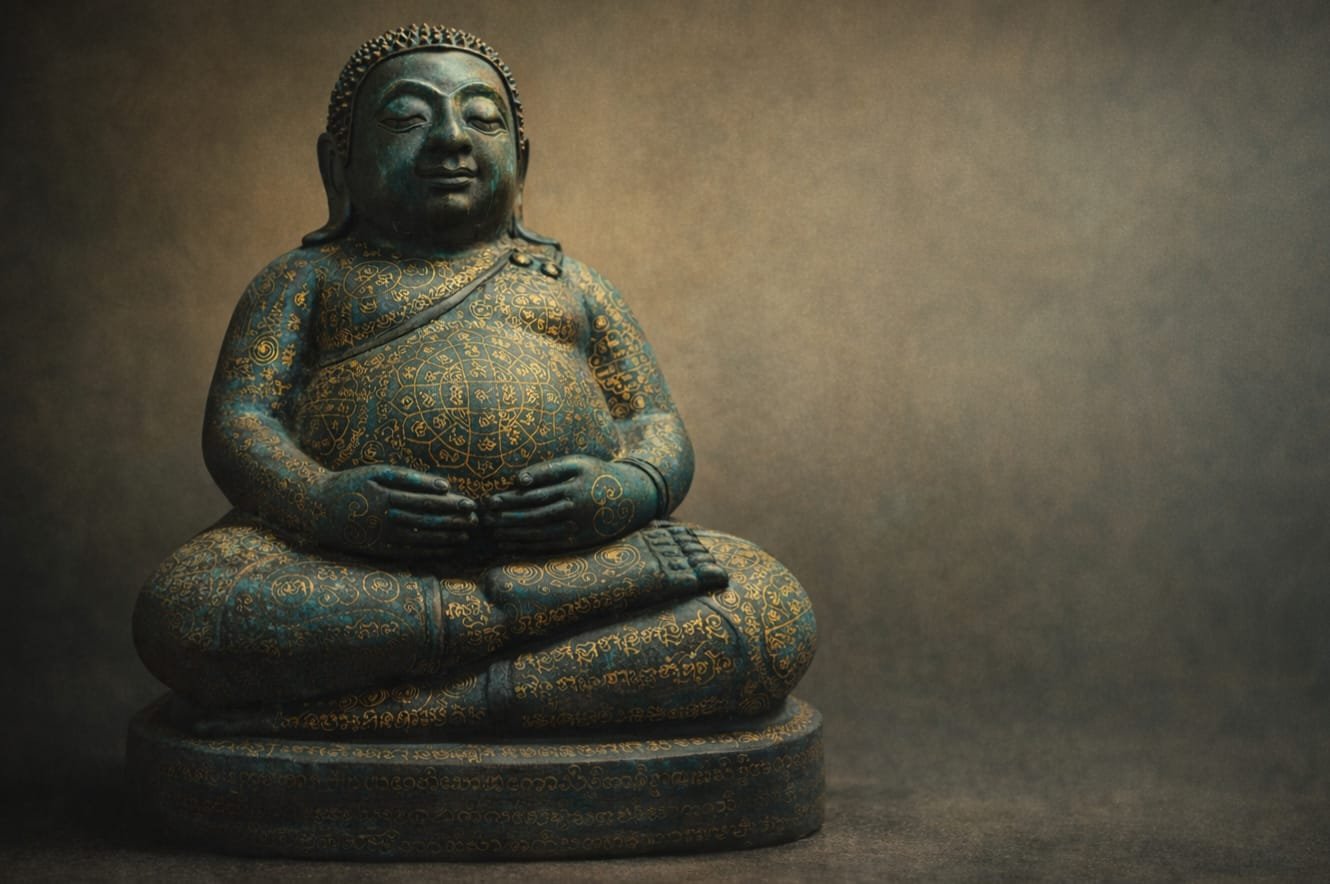
Phra Sangkachai — also written as Phra Sangkajai or Phra Sangkajjai — is one of the most recognised figures in Thai culture. People often notice his cheerful, rounded appearance first, yet his story stretches back to the early days of Buddhism. Because of this, he represents both spiritual insight and everyday prosperity. This makes him especially meaningful for beginners exploring Thai amulets for the first time. The Origins of Phra Sangkachai In Thai Buddhist tradition, Phra Sangkachai refers to Mahā Kaccāyana, a senior monk deeply respected for his ability to explain the Buddha’s teachings in clear and simple ways. Stories describe him as someone born into a Brahmin family in ancient India who later became one of the Buddha’s most accomplished disciples. Interestingly, many traditional accounts say he possessed striking beauty. His appearance resembled the Buddha so closely that people sometimes mistook him for the Enlightened One. To prevent confusion,
Typically replies within a hour