News & Article

Category: Informative

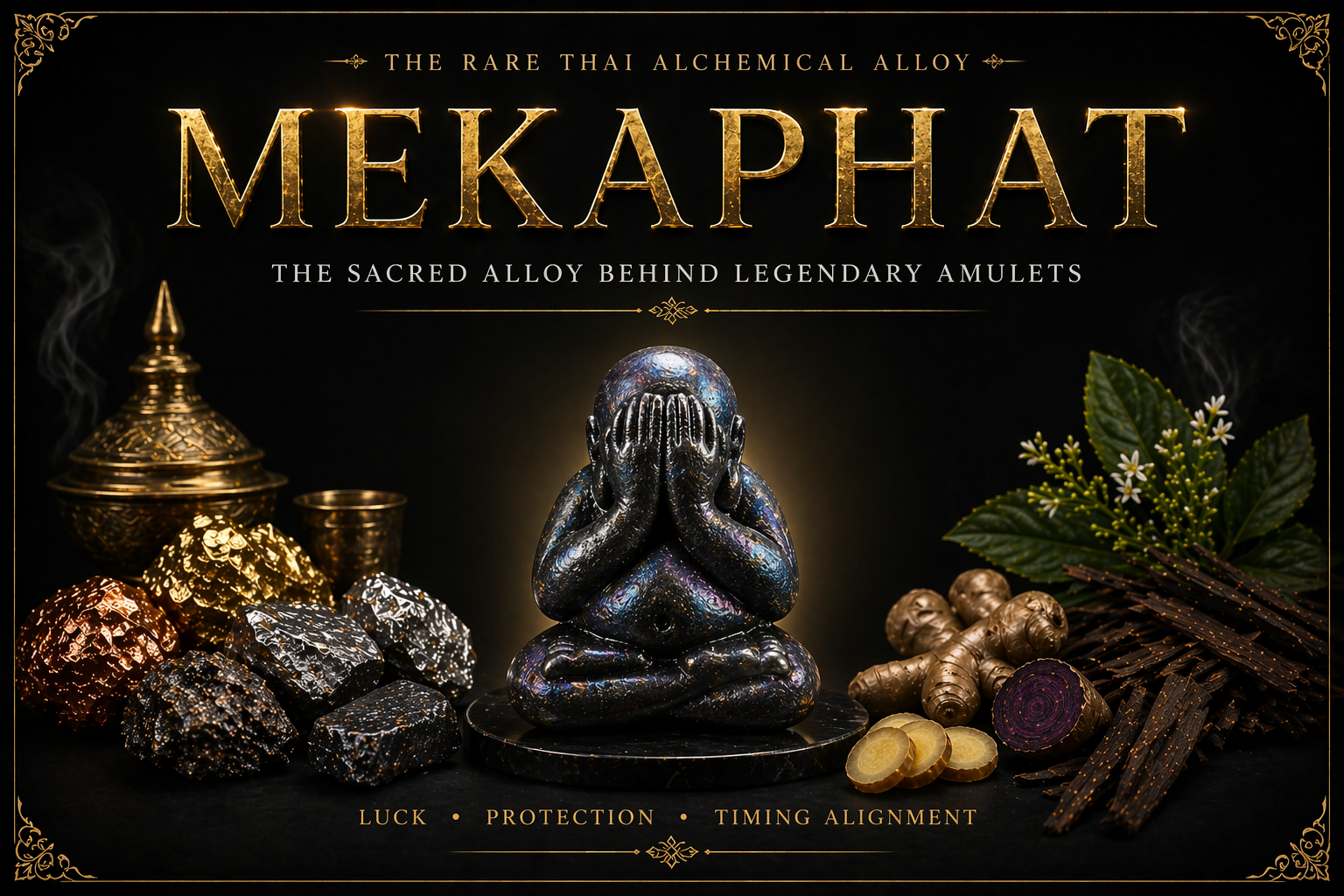
Mekaphat alloy in Thai amulet tradition with sacred metals, herbs and Phra Pidta representation
Informative
Mekaphat Alloy: The Rare Thai Alchemical Metal Used in Sacred Amulets

What Is Mekaphat Alloy? Mekaphat, also known as Nur Mekaphat when used in amulets, stands as one of the most respected alchemical alloys in Thai occult tradition. It is not an ordinary metal.Instead, practitioners recognise it as a material formed through a combination of metals, sacred ingredients, and ritual process. Because of this, Mekaphat carries intrinsic properties even before it is shaped into an amulet. Traditionally, it is associated with: As a result, Mekaphat has remained highly sought after across generations, with well-known pieces reaching significant collector value. Why Mekaphat Is Not Just Ordinary Metal Mekaphat does not come from simple melting. Rather, it forms through the controlled amalgamation of multiple metals, followed by sulfur-based treatment at a precise stage. When the process succeeds, the material develops a dark, glossy surface with a subtle blue-toned gleam. However, the process demands precision. If the sequence shifts, if the timing drifts, or

Read More Β»
Yaa Faed cover photo
Informative
Yaa Faed Charm Powder: Thailand’s Traditional Attraction Powder and Its Modern Use

Within Thailand’s long-standing spiritual traditions, yaa faed charm powder stands out as one of the most recognised substances associated with attraction, emotional connection, and personal charm. Often mentioned in traditional teachings and passed down through generations, yaa faed charm powder reflects a time when intention, symbolism, and human emotion were deeply interconnected. Even today, it continues to draw interest because it represents not superstition, but cultural wisdom shaped by lived experience. The Origins of Yaa Faed Charm Powder Traditionally, yaa faed charm powder belongs to a broader category of Thai folk practices connected to sanaeh β€” a concept referring to natural charm, magnetism, and emotional appeal. Rather than focusing on control or force, these traditions emphasised emotional warmth, closeness, and mutual resonance. As a result, yaa faed charm powder was understood as something that supported human connection, not something that replaced it. Over time, this understanding positioned yaa faed charm

Read More Β»
Sangkachai Bucha Kruba Thep 1 of 2 made cover image
Informative
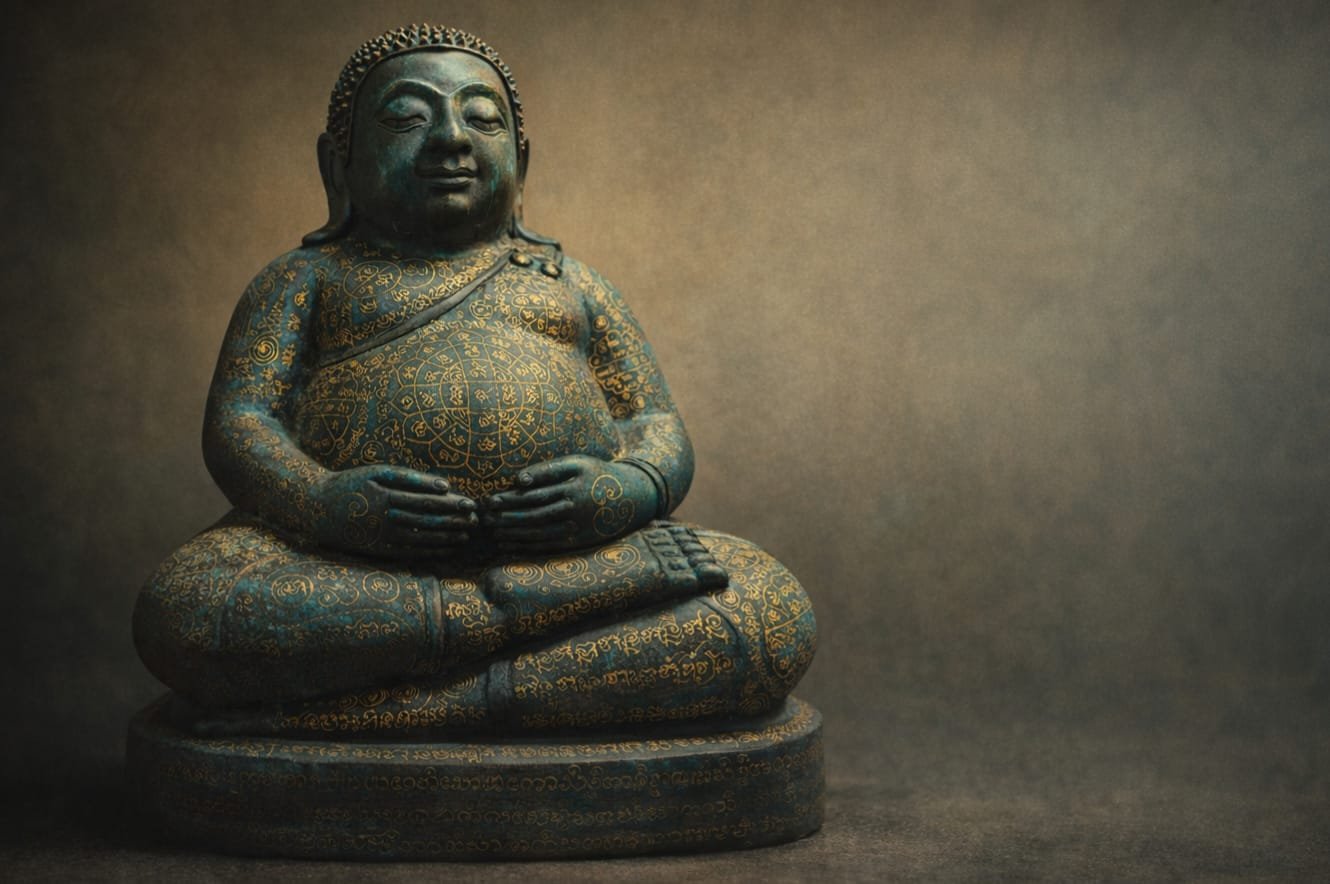
Phra Sangkachai: The History of Thailand’s Wealth Buddha

Phra Sangkachai β€” also written as Phra Sangkajai or Phra Sangkajjai β€” is one of the most recognised figures in Thai culture. People often notice his cheerful, rounded appearance first, yet his story stretches back to the early days of Buddhism. Because of this, he represents both spiritual insight and everyday prosperity. This makes him especially meaningful for beginners exploring Thai amulets for the first time. The Origins of Phra Sangkachai In Thai Buddhist tradition, Phra Sangkachai refers to Mahā Kaccāyana, a senior monk deeply respected for his ability to explain the Buddha’s teachings in clear and simple ways. Stories describe him as someone born into a Brahmin family in ancient India who later became one of the Buddha’s most accomplished disciples. Interestingly, many traditional accounts say he possessed striking beauty. His appearance resembled the Buddha so closely that people sometimes mistook him for the Enlightened One. To prevent confusion,

Read More Β»
Luk Phaya Marn, Alternative artwork
Informative
Three Names That Represent Desire β€” Luk Phaya Marn

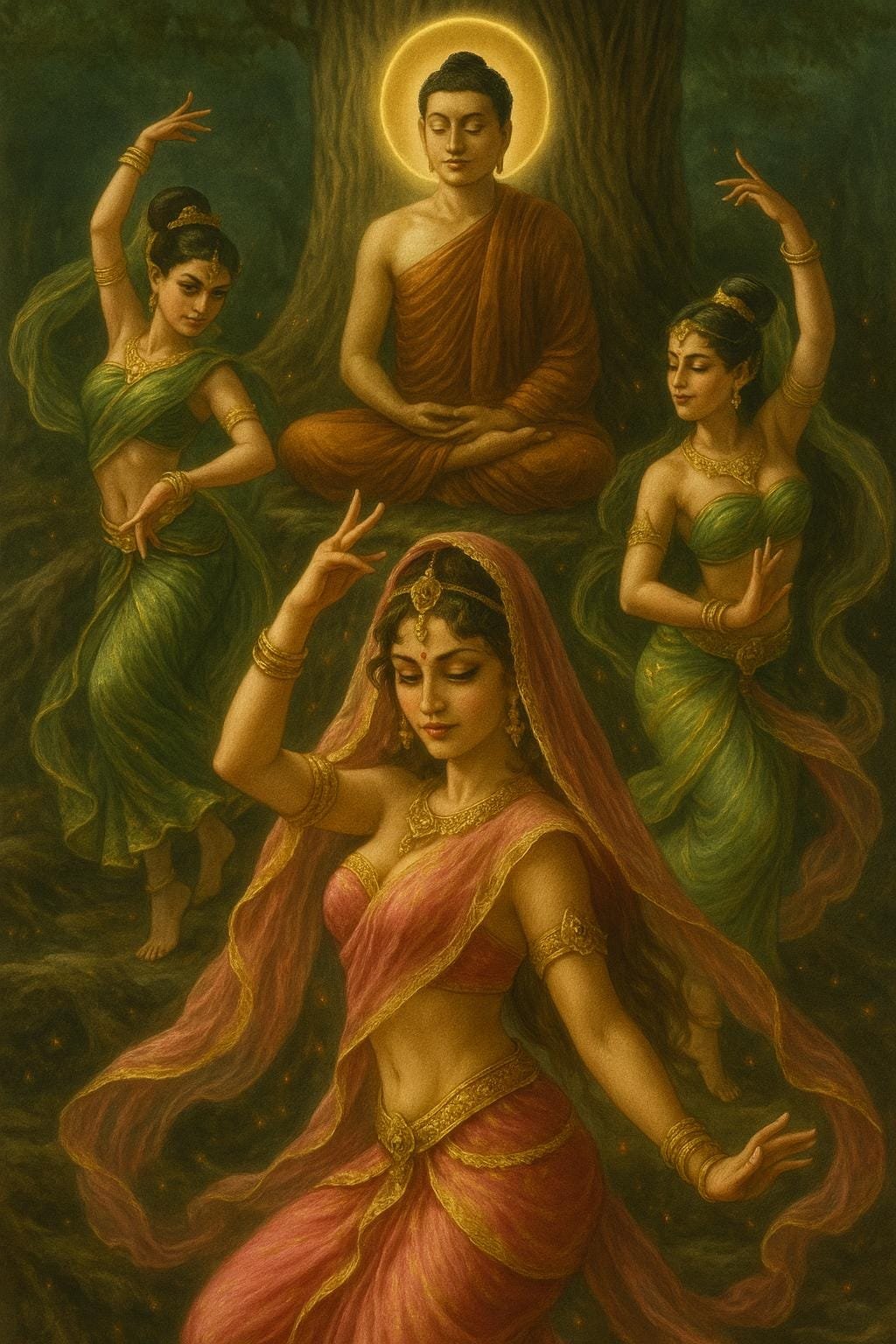
Although the term Luk Phaya Marn (ΰΈ₯ูกพญาฑาร) appears occasionally in Thai occult discussion, most people outside Thailand do not fully understand what it refers to. In Buddhist storytelling and Thai esoteric interpretation, Luk Phaya Marn refers collectively to the three symbolic daughters of พญาฑาร (Phaya Marn). Each daughter represents a different form of desire that challenges the human mind. In Thai tradition, พญาฑาร (Phaya Marn) names the figure known in English as Māra. Western explanations often compare Māra to a β€œgod of evil” or Satan. However, these comparisons exist only to clarify function, not to equate belief systems. In both cases, the figure represents forces that obstruct clarity and awakening. Rather than literal beings, the three daughters of Phaya Marn function as personifications. Buddhist doctrine uses them as teaching tools to explain how desire, attachment, and restlessness arise within the mind. In other words, these three daughters are Luk Phaya

Read More Β»
Old amulets of Ajarn Tom
Informative
Old School Prai Amulets β€” Before Shortcuts, Before Dilution

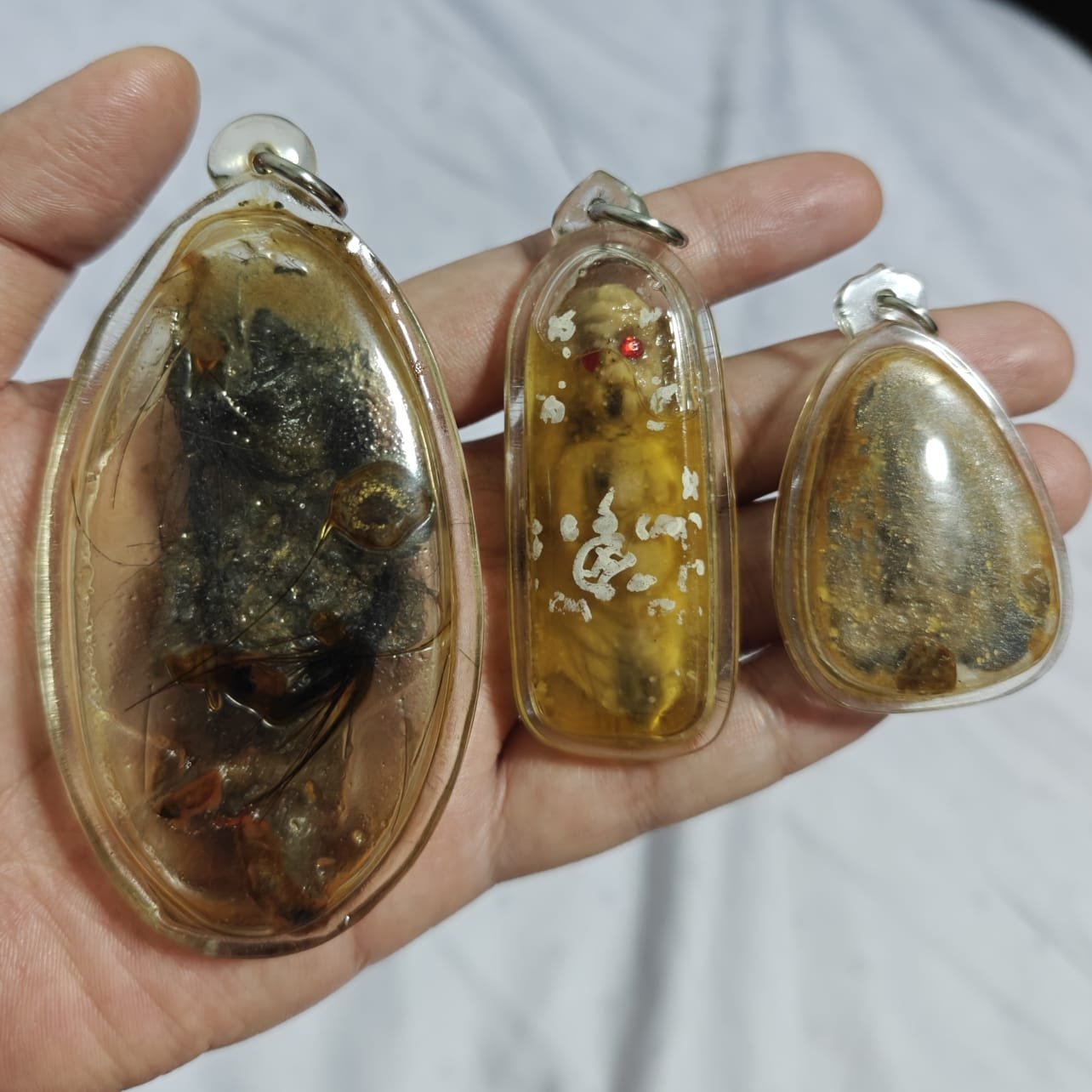
π—’π—Ÿπ—— π—¦π—–π—›π—’π—’π—Ÿ 𝗣π—₯π—”π—œ β€” π—§π—›π—˜ π—ͺ𝗔𝗬 π—œπ—§ π—ͺ𝗔𝗦 π——π—’π—‘π—˜ Ajarn TomEstimated from around 5–8 years ago In the past, prai amulets were made under very different conditions. They were not designed for accessibility, speed, or visual appeal. Instead, they were created slowly, deliberately, and with a level of care that is increasingly rare today. This article documents three older prai amulets by Ajarn Tom β€” one Mae Nak and two Ngan β€” from an earlier period of his work, estimated to be around five to eight years ago. At that time, prai amulets were difficult to obtain and never inexpensive. More importantly, they were never rushed. The process itself mattered as much as the outcome. Materials were carefully sourced rather than conveniently assembled. Spirits were approached directly instead of symbolically referenced. Consecrations took time, and in many cases extended across long periods before a piece was considered complete. As a

Read More Β»
Luk Phaya Marn cover poster
Informative
Luk Phaya Marn: The Temptation That Tested Even the Buddha

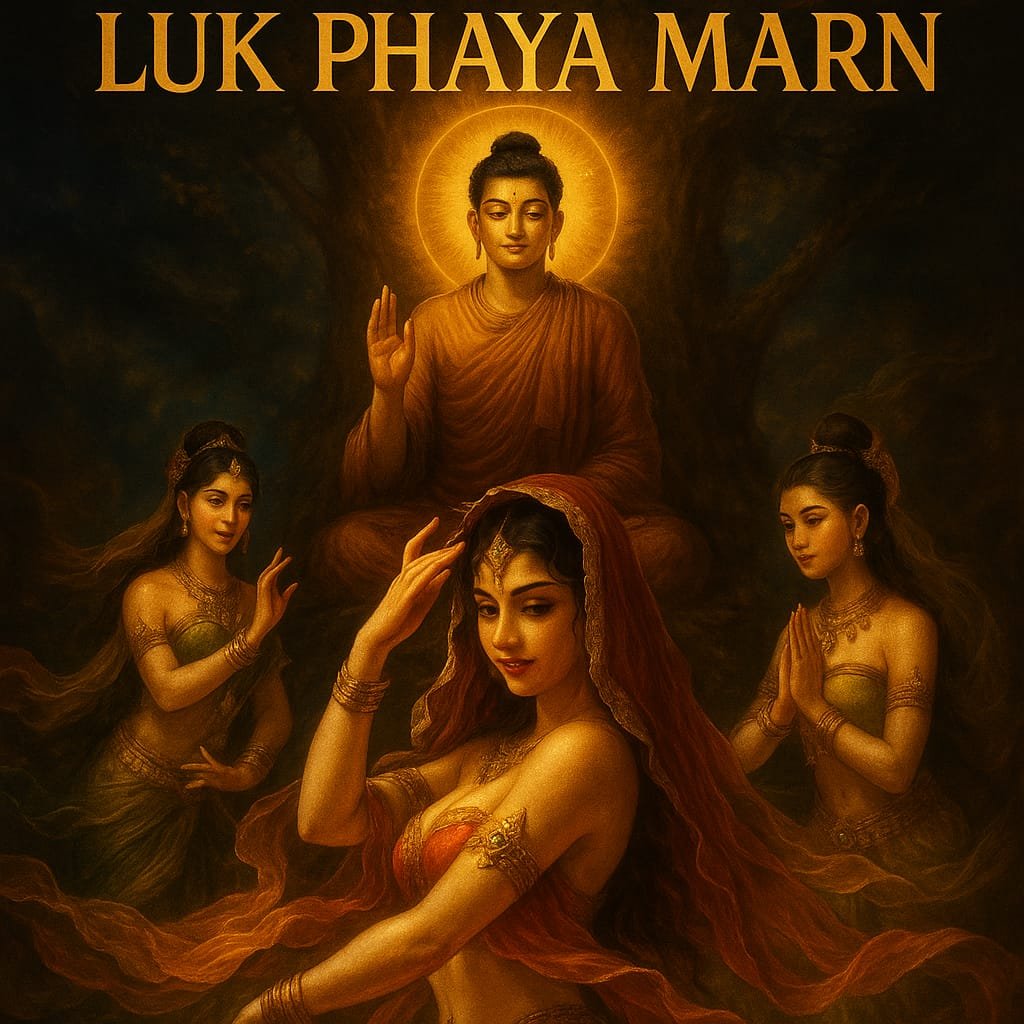
Luk Phaya Marn draws from the Buddhist tale of Mara and his daughters β€” beings whose seductive power could sway devas, yet failed to shake the Buddha. This ancient symbolism later shaped Thai charm-wicca, creating one of the most fascinating concepts of desire, attraction, and emotional influence in Thai spiritual culture.

Read More Β»
Pirate Sihir - Maha John See Pheung blessing process
Informative
Pirate Sihir (Maha John) β€” Where Fortune Is Taken, Not Given

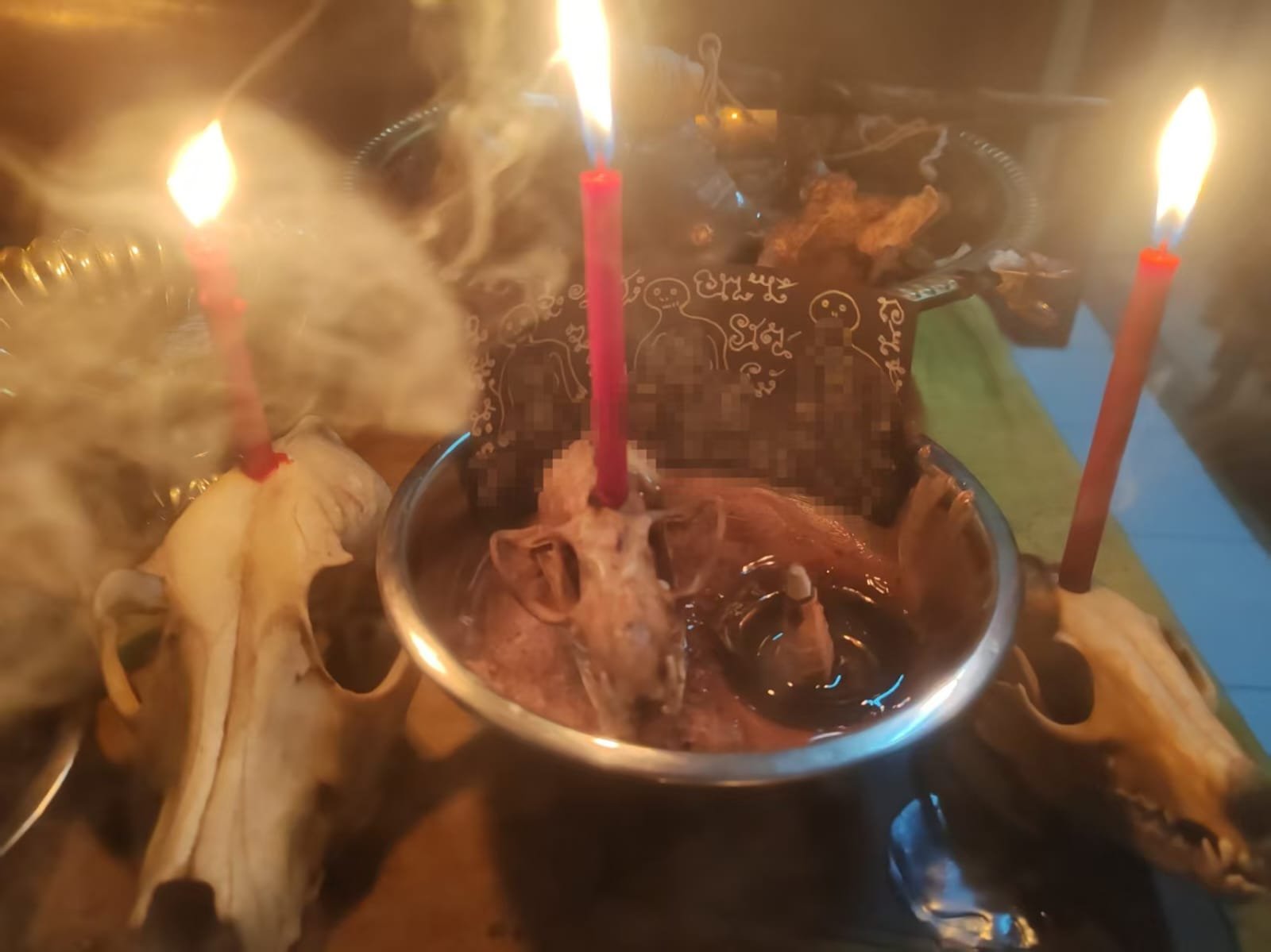
Understanding the Truth Behind Black Magic, Wealth Energy, and Karmic Equilibrium In the world of Thai wicca and Malay occultism, few practices are as mysterious β€” or as misunderstood β€” as Pirate Sihir, known in Thai as Maha John (ΰΈ‘ΰΈ«ΰΈ²ΰΈˆΰΈ΄ΰΈ™ΰΈ”ΰΈ²ΰΈ‘ΰΈ“ΰΈ΅). This is not gentle metta magic. It is the dark current of power β€” a form of black magic believed to draw fortune, charm, and wealth by redirecting the flow of luck from others to the owner. While many speak of it with fear, true masters like Phu Lersi Pong and Phu Lersi Techo teach a deeper truth: it is not evil β€” it is simply energy in motion.And energy, when guided with awareness, can create balance rather than chaos. βš“ What Exactly Is Pirate Sihir / Maha John? β€œPirate Sihir” (Malay term) and β€œMaha John” (Thai term) both refer to the art of commanding unseen forces to shift destiny.

Read More Β»
Collection of Bai Sri
Informative
Bai Sri β€” The Sacred Thai Offering of Blessing & Ceremony

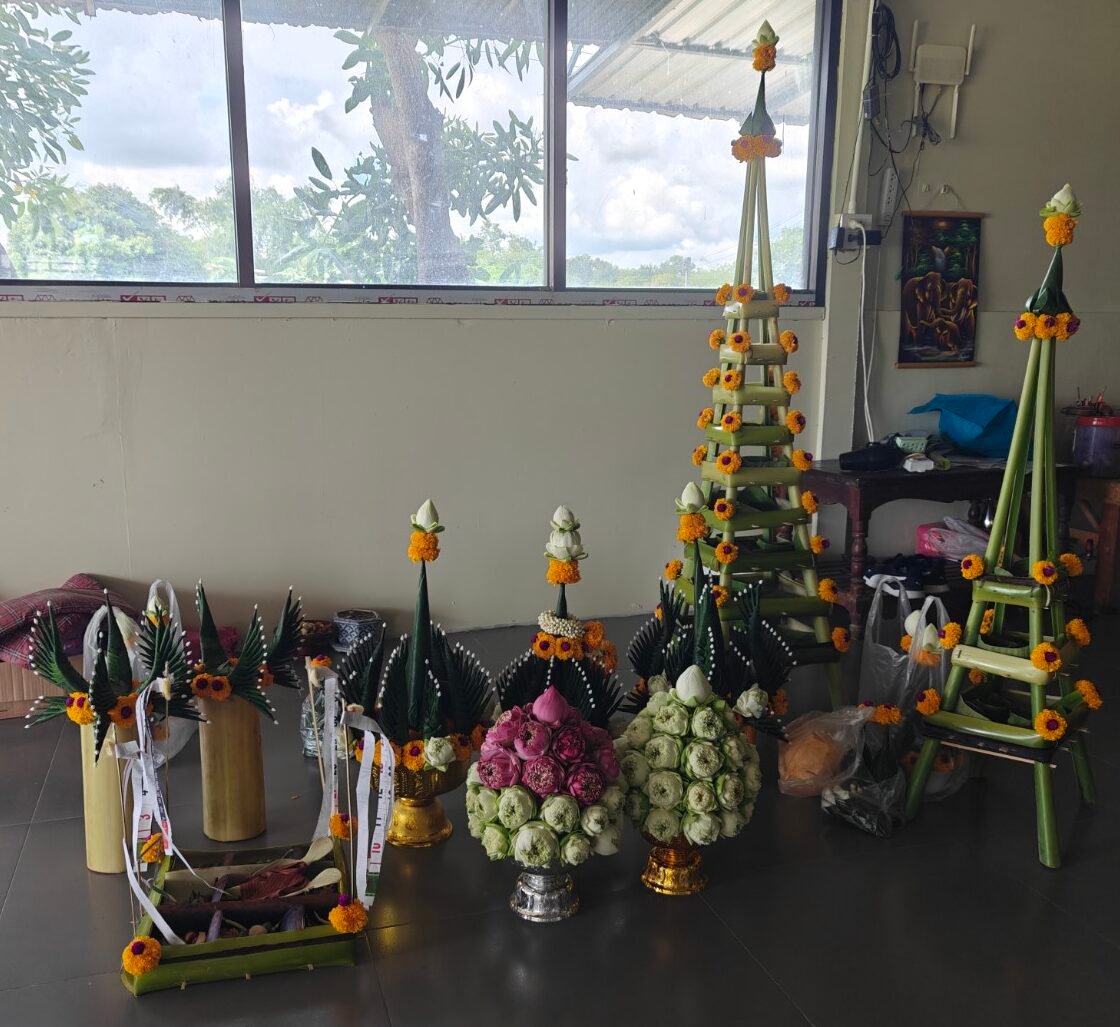
The Living Heart of Thai Rituals Bai Sri (บาฒศรม) remains one of Thailand’s most sacred and timeless ceremonial arts.The term combines Baiβ€”often said to mean β€œleaf”—and Sri, from Sanskrit for β€œauspiciousness” or β€œgood fortune.” Yet, some scholars trace Bai to the Khmer word for β€œrice,” and the true origin of the term remains uncertain. (Thailand Foundation) Deeply rooted in Thai and Lao-Isan culture, the Bai Sri is much more than decoration. It lies at the core of weddings, ordinations, housewarmings, love rituals, and Wai Kru (teacher-honouring ceremonies)β€”nearly every sacred observance. Within the lineage of Phu Lersi Pong, the Bai Sri is not optional but necessary. Every ritual, from simple blessings to grand empowerments, begins with its presence. Indeed, one of the first lessons for disciples training to become masters is learning to craft the Bai Sri by handβ€”understanding its geometry, balance, and flow of energy. 🌸 Forms & Symbolism Bai

Read More Β»
Mao Shan Vampire cultivation
Informative
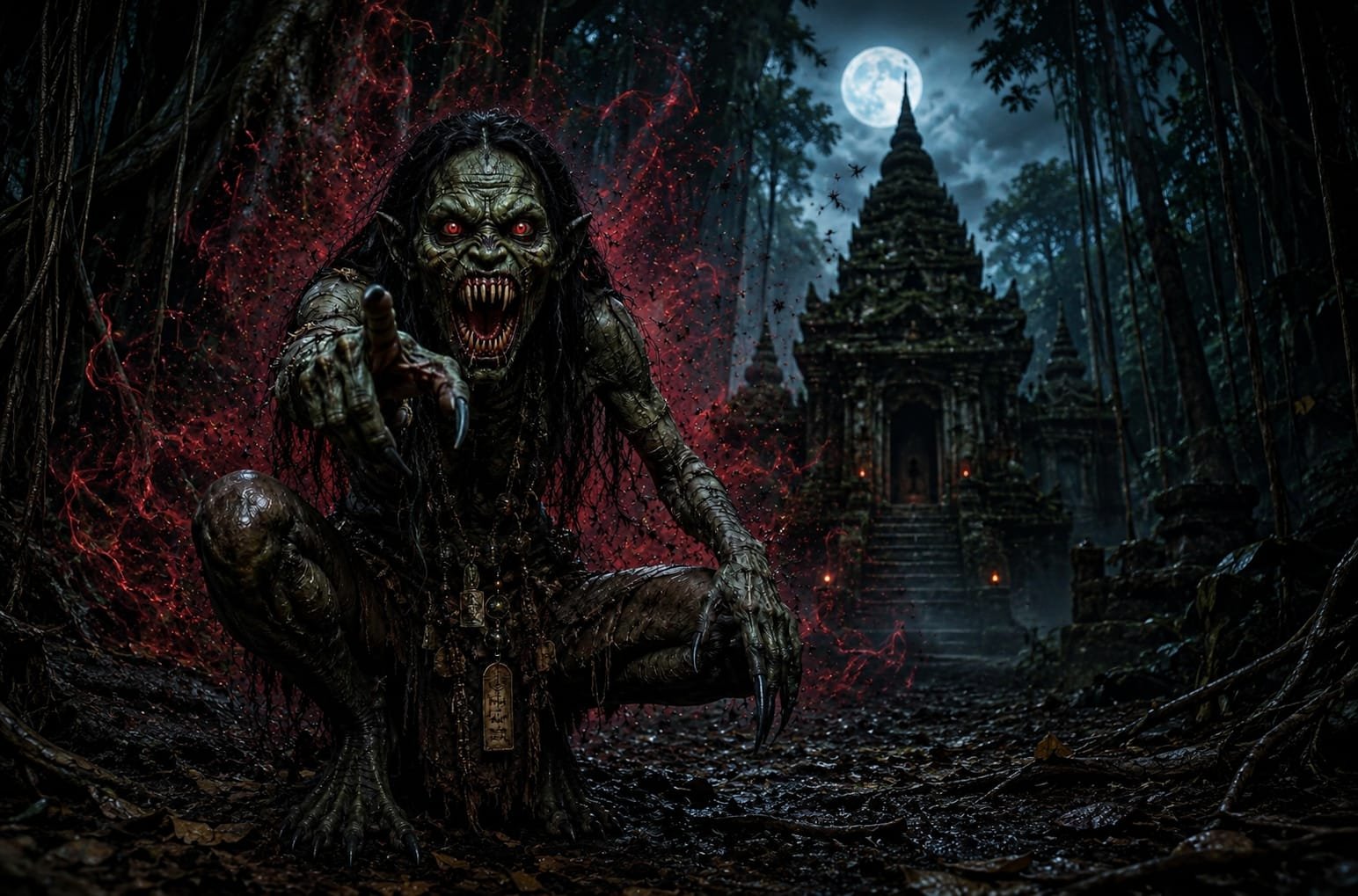
🩸Mao Shan Vampire Cultivation

Part 1: The Origin of Mao Shan Vampire The Mao Shan Vampire Cultivation is one of the most secretive and forbidden branches of the ancient Taoist dark arts. Rooted in Yin-based sorcery, this path teaches practitioners to draw upon the Yin essence of heaven and earth β€” absorbing the energies of spirits, corpses, and unseen entities β€” transforming them into spiritual power within themselves. It was never meant to be simple dark magic.It is an art of using Yin to control Yin, and using darkness to protect the light. βš”οΈ The Ancient Purpose In ancient times, remote villages were often haunted by demons, mountain fiends, and restless spirits.The Mao Shan masters stood as protectors of balance β€” summoning corpse guardians, also known as Mao Shan Vampires, to defend the people and repel invading evil. These beings were not monsters, but sacred soldiers bound by Taoist seals β€” protectors, not destroyers.Their

Read More Β»

Shogun X Amulets

Typically replies within a hour

Telegram WhatsApp