 FREE Shipping in Singapore (All Items) | $10 to Malaysia & Brunei | $15 to everywhere else | $60 vis FEDEX or $30 Vis SingPost to USA
* Overseas rate applies to small items only - large items may cost more.
FREE Shipping in Singapore (All Items) | $10 to Malaysia & Brunei | $15 to everywhere else | $60 vis FEDEX or $30 Vis SingPost to USA
* Overseas rate applies to small items only - large items may cost more.
Description
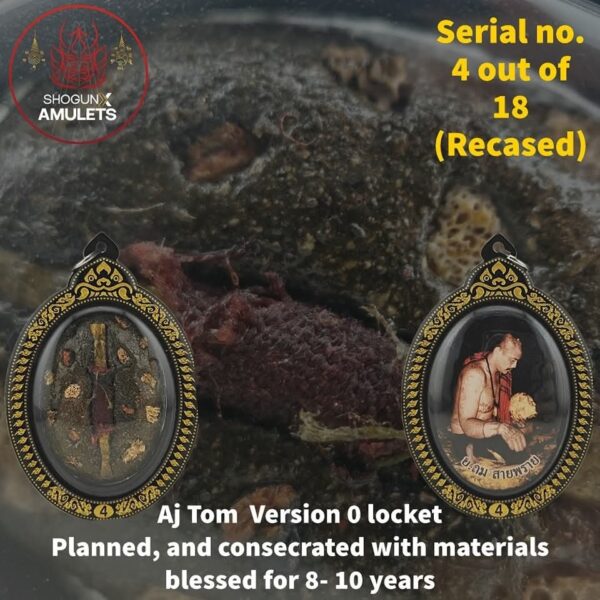
Ajarn Tom | BE 2565 (2022) | Only 4 made | One available | Size: 30 × 23.5 cm, slightly wider than A4
If you already keep several prai, sometimes adding another one is not what you need. Sometimes you need someone to manage them. That is where Phaya Yom comes in.
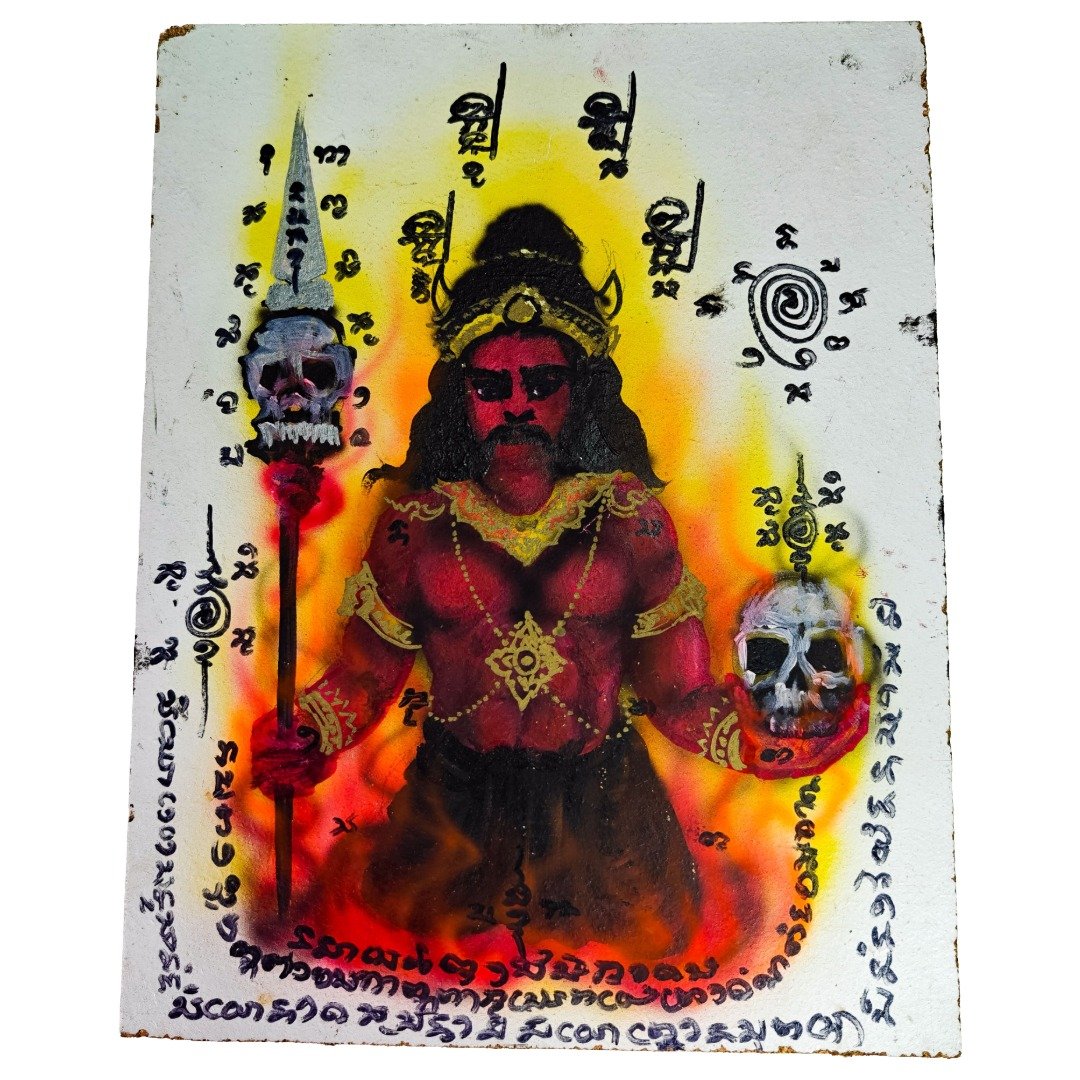
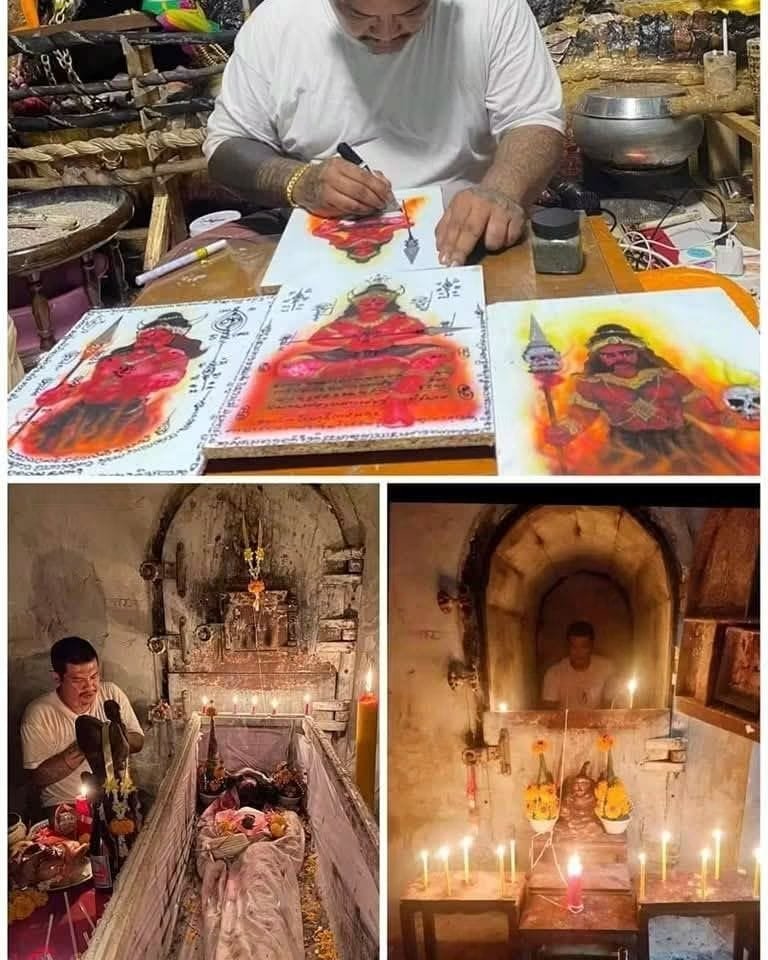
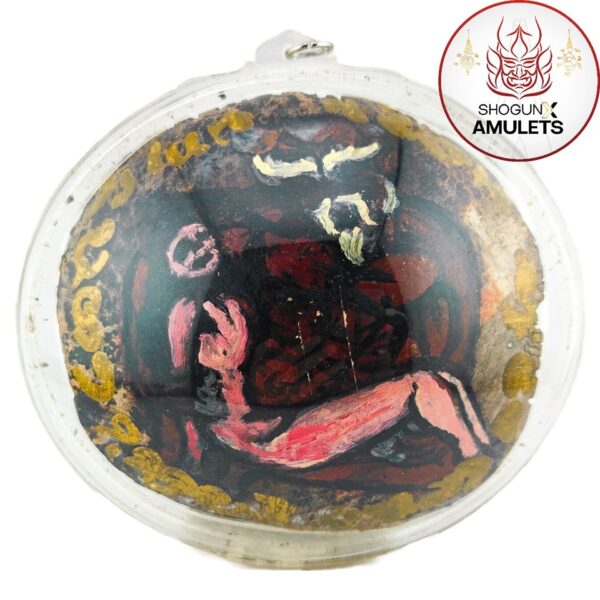
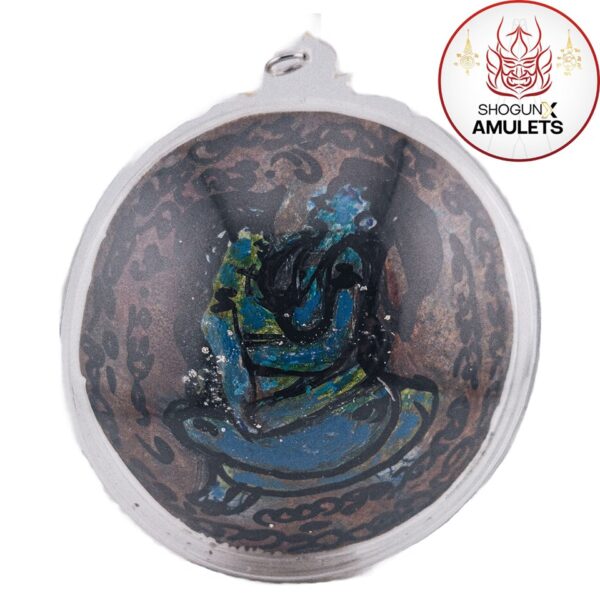
This is an old release from 4 years ago, and the piece available now comes from our own personal collection. Only 4 were ever made. Ajarn Tom used the actual coffin lid of a Phi Tai Hong as the base, then hand-painted and hand-yanted Phaya Yom directly onto the wood.
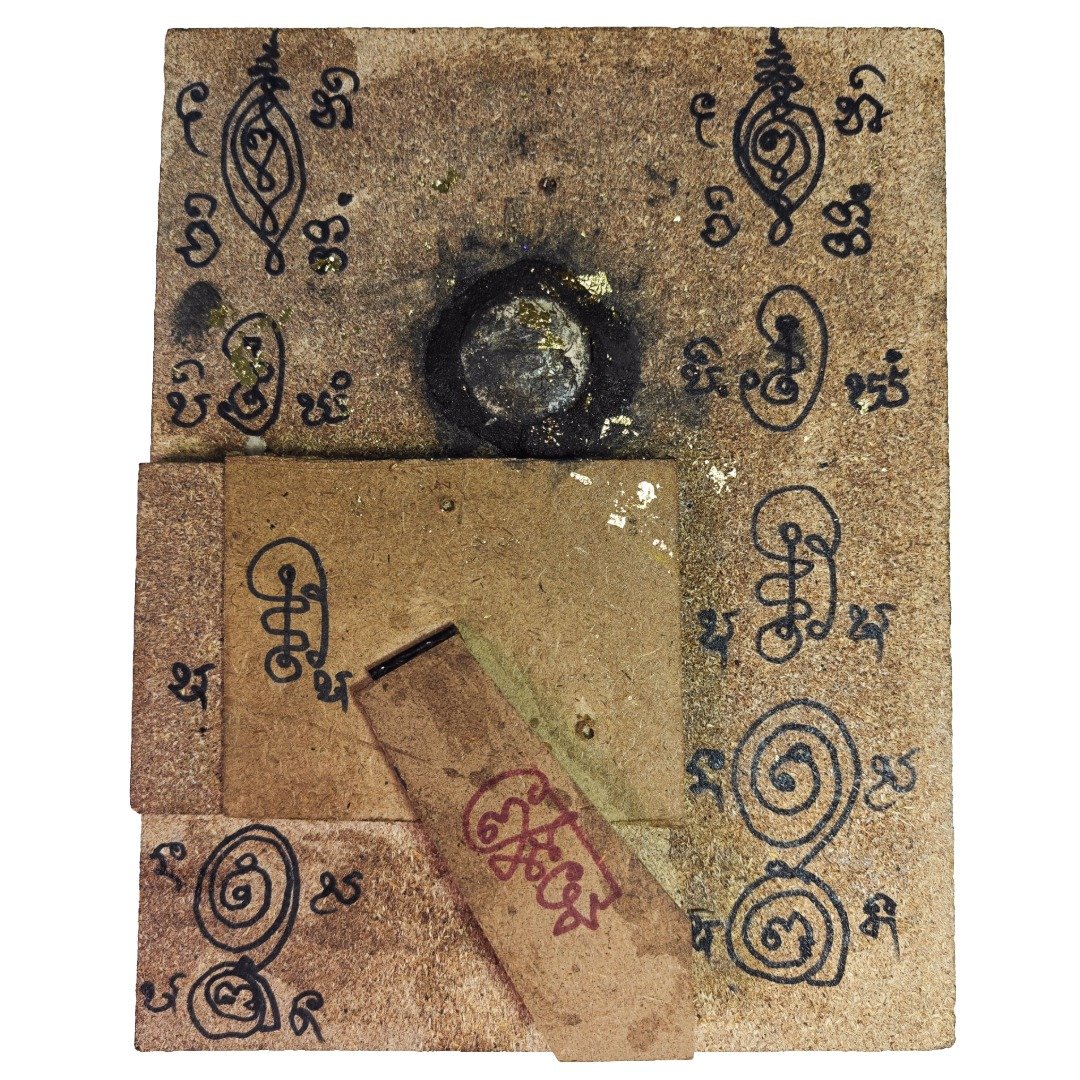
Ajarn Tom said he mixed Hakom wax into the paint, from a being said to be 1,000 times stronger than normal spirits. On the back is cremation sludge accumulated over years of cremations, together with a specially selected prai panneng engraved with the image of Phaya Yom.
Phaya Yom — Lord of Death
Phaya Yom, also known as Phaya Yommarat (พญายมราช), Phaya Majurat, Yama, Yamaraja or Lord Yama, is the Lord of Death and one of the main figures connected to the underworld in Thai belief. In Chinese culture, Yan Wang Ye (閻王爺) is probably the closest comparison.
For people who keep prai, the reason for keeping Phaya Yom is quite straightforward. He is not another prai added into the group. He is there to watch over them, manage them and keep them in check.
People also traditionally call upon Phaya Yom against ghosts, hostile spirits, curses and darker wicca. Old beliefs speak of Phaya Yom stopping hostile spiritual forces and turning them back toward where they came from. For this reason, Phaya Yom is especially suitable as a main piece for someone already keeping several prai.
Hand-Painted & Hand-Yanted on Phi Tai Hong Coffin Wood
This was only the second time Ajarn Tom used coffin wood to make this type of Mai Yant, and it was also the first Phaya Yom he released publicly. The wood came from the actual coffin lid of a Phi Tai Hong.
Phi Tai Hong are spirits of people who did not pass away peacefully, usually through sudden, violent or unnatural deaths. According to traditional beliefs, spirits like these can carry whatever remained at the point of death — anger, pain, resentment and sometimes outright vengeance.
However, an experienced master does not simply leave these emotions wild. Within this wicca, the master first brings the spirit under control, then turns all that anger, pain and resentment into strength and controlled power which can actually be directed. This is also why materials connected to Phi Tai Hong commonly appear in stronger prai wicca.
Ajarn then cut the coffin lid down to approximately A4 size before hand-yanting and hand-painting Phaya Yom directly onto the wood. He did not print or transfer anything onto it. Each piece was done individually by hand, and only four were made.
Hakom Wax Mixed Into the Paint
Ajarn Tom also said he mixed Hakom wax into the paint used for Phaya Yom. Hakom is something quite different from ordinary prai.
Ajarn Tom’s lineage describes Hakom as a ghoul-like being caught somewhere between life and death. Traditional teachings regard it as far stronger and more aggressive than normal prai. The teaching passed down with Hakom even describes it as being 1,000 times stronger than normal prai.
Hakom mainly comes into play when stronger force is needed — for control, pushing through resistance, getting things moving and dealing with difficult situations. It is also used for protection, attack and retaliation. This is why Hakom is known as one of Ajarn Tom’s strongest wicca.
For this Phaya Yom, Ajarn did not simply place the Hakom wax somewhere behind the piece. Instead, he mixed it directly into the paint used to paint Phaya Yom himself. So what you see on the front is not just Phaya Yom painted onto coffin wood. The Hakom itself was already inside the paint.
Cremation Sludge From Years of Cremations
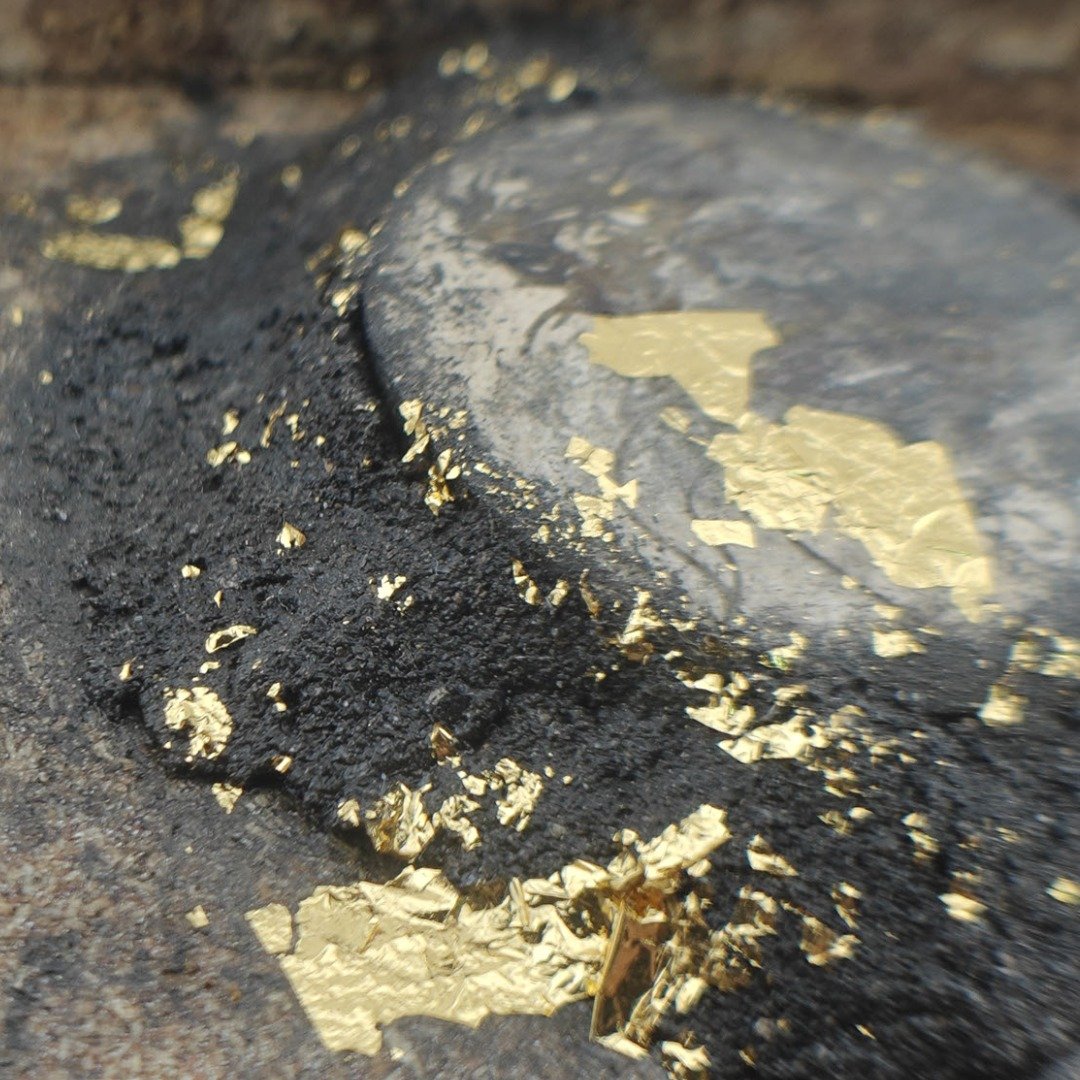
On the back is the black cremation material. This came from sludge that accumulated around the cremation area over many years.
After each cremation, oil and residue would remain behind. The same area would heat up again for the next cremation, cool down, and then go through the same process again. Over the years, the leftover material slowly built up into a thick black sludge.
Considering how long it had accumulated, it could potentially contain residue left behind from hundreds of cremations. Ajarn first dried the sludge, then mixed it with a little murn sarn so it could bind together and stick onto the back of the Mai Yant.
The black material you can see on the back today comes from this mixture.
The Specially Selected Prai Panneng
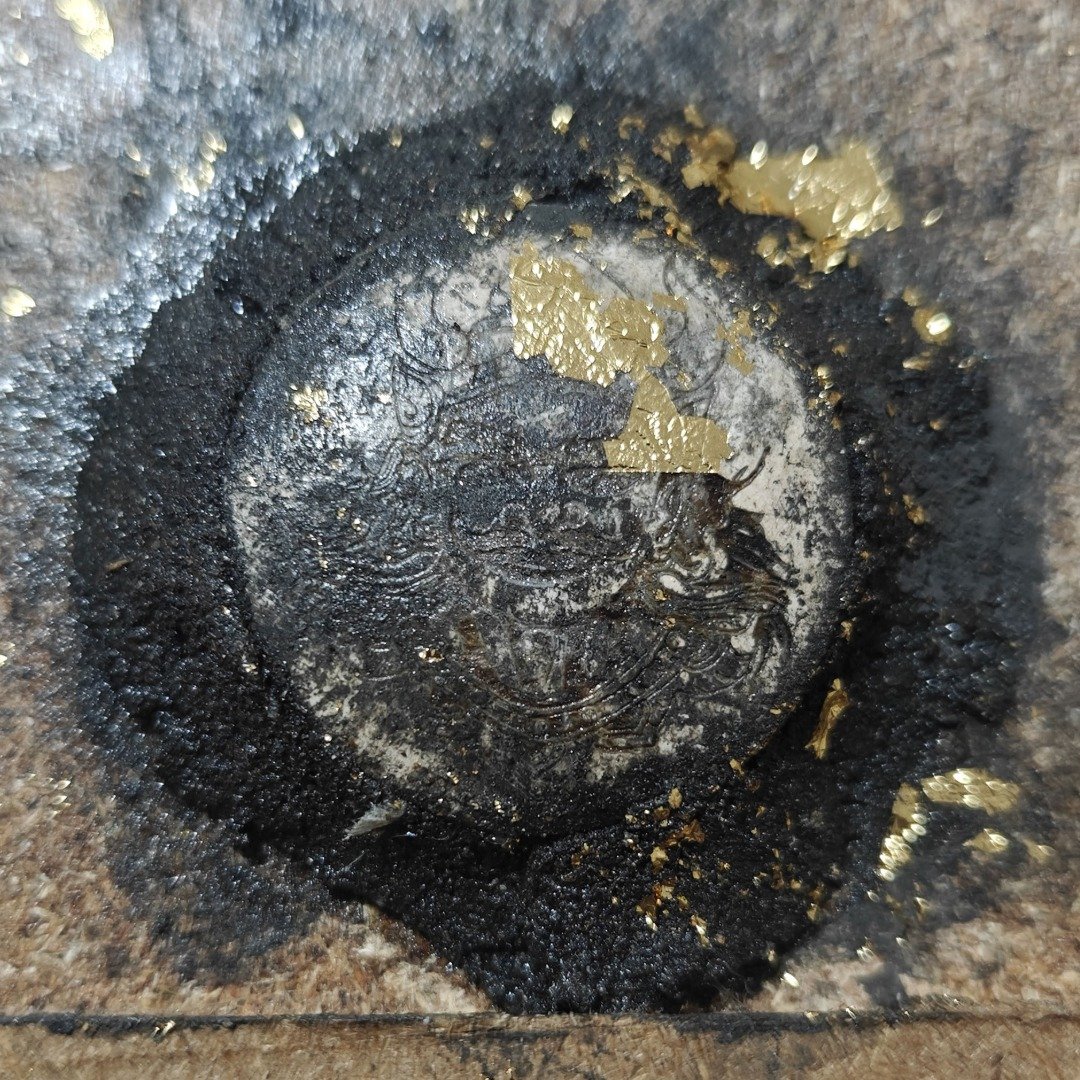
Inside the cremation material is a specially selected prai panneng. Ajarn did not simply use any panneng he had available.
He selected a particularly fierce prai for these Phaya Yom pieces and brought the spirit under control. He then engraved the image of Phaya Yom onto the panneng before fixing it onto the back.
This prai, together with the spirits within the cremation sludge, forms almost an army under Phaya Yom — fierce spirits kept under him to help carry out what was asked.
The panneng itself can still be clearly seen today. The engraved image of Phaya Yom has become much fainter, and the surrounding material now partly obscures it, although traces can still be seen on the surface.
More Than 120 Spirits
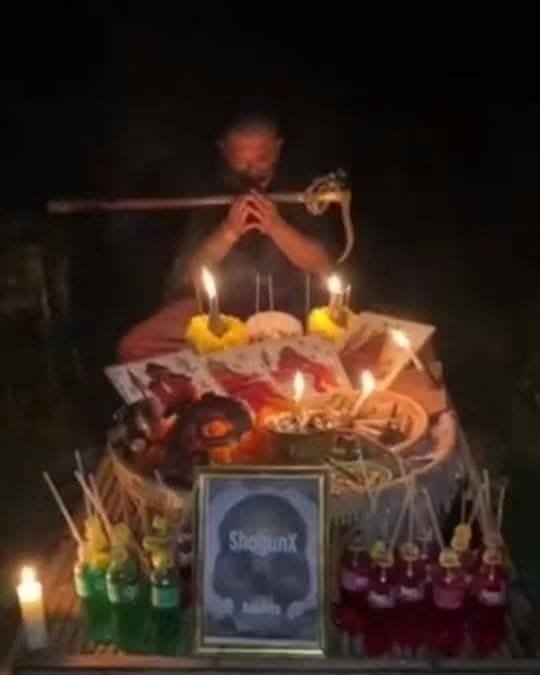
Ajarn later brought these four pieces to a cemetery said to house more than 120 spirits. He prepared a large offering for the spirits there, then invited them to assist these Phaya Yom pieces whenever called upon.
𝗘𝗳𝗳𝗲𝗰𝘁𝘀 – –
Based on ancient & traditional beliefs, this is said to:
- Watch over and manage personal prai
- Keep prai under control
- Support and strengthen prai already being kept
- Protect against ghosts and hostile spirits
- Guard against harmful wicca, Sai Lang and curses
- Turn hostile spiritual forces back
- Increase metta, maha saneh and maha niyom
- Support luck and opportunities
- Support wealth attraction
- Give krongkrapan and klaew klad protection
- Support one’s destiny during difficult periods
One From Our Own Collection
Only 4 pieces were made in BE 2565. This was Ajarn Tom’s first publicly released Phaya Yom, and it was also only the second time he used coffin wood for this type of Mai Yant.
We have kept this particular piece in our own personal collection for the past four years. Now we are letting it go.
One available.
Order directly from this page.
🔱𝑺𝒉𝒐𝒈𝒖𝒏𝑿 𝑨𝒎𝒖𝒍𝒆𝒕𝒔
𝑾𝒉𝒆𝒓𝒆 𝒚𝒐𝒖𝒓 𝒔𝒑𝒊𝒓𝒊𝒕𝒖𝒂𝒍 𝒋𝒐𝒖𝒓𝒏𝒆𝒚 𝒃𝒆𝒈𝒊𝒏𝒔
WhatsApp directly: https://wa.me/6580444447/
Email: shogunxamulets@gmail.com
Reviews
There are no reviews yet.