 FREE Shipping in Singapore (All Items) | $10 to Malaysia & Brunei | $15 to everywhere else | $60 vis FEDEX or $30 Vis SingPost to USA
* Overseas rate applies to small items only - large items may cost more.
FREE Shipping in Singapore (All Items) | $10 to Malaysia & Brunei | $15 to everywhere else | $60 vis FEDEX or $30 Vis SingPost to USA
* Overseas rate applies to small items only - large items may cost more.
Description
Ajarn Kitkamo | BE 2565 | Only 3 Pieces Available | Size: 5.4 x 3.7 cm
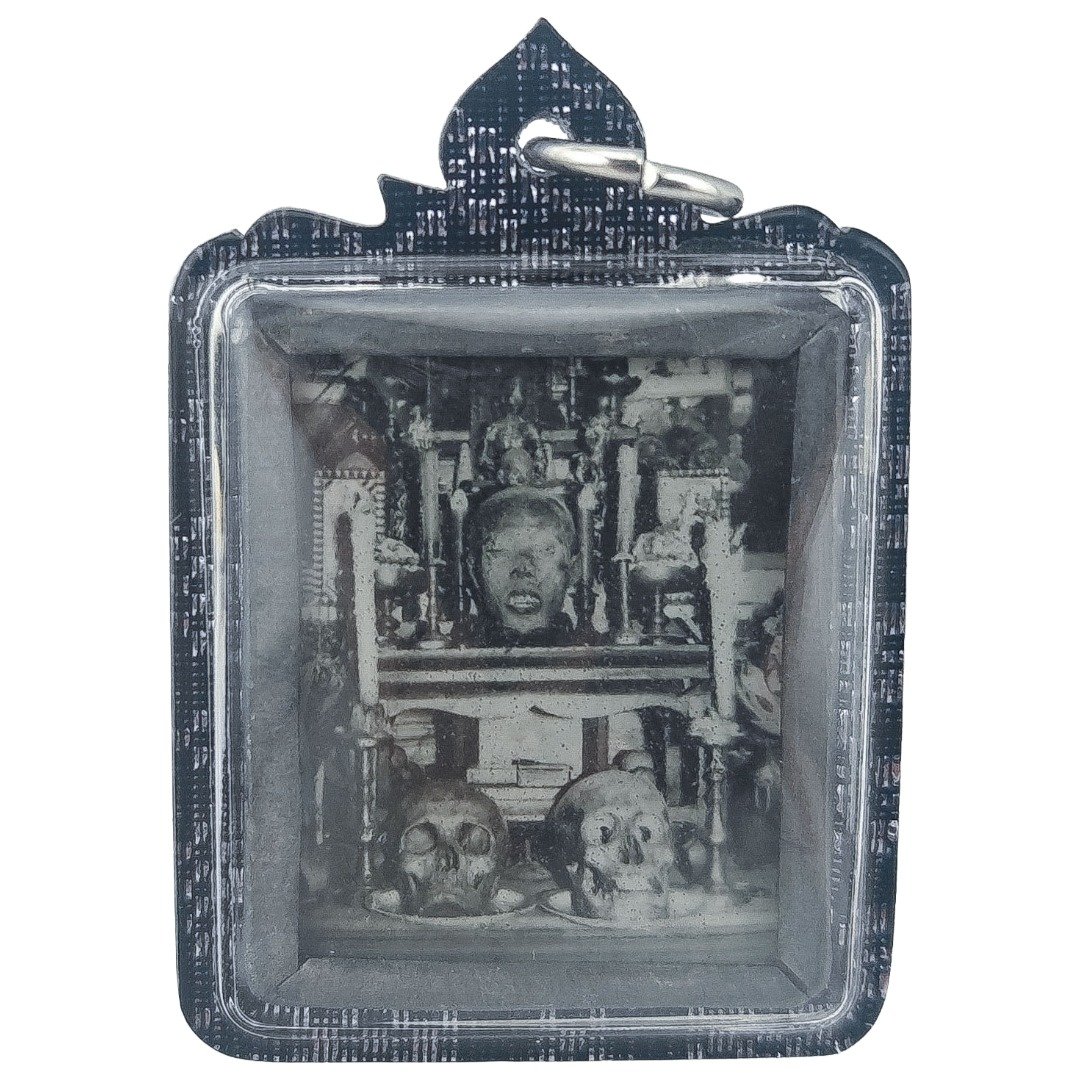
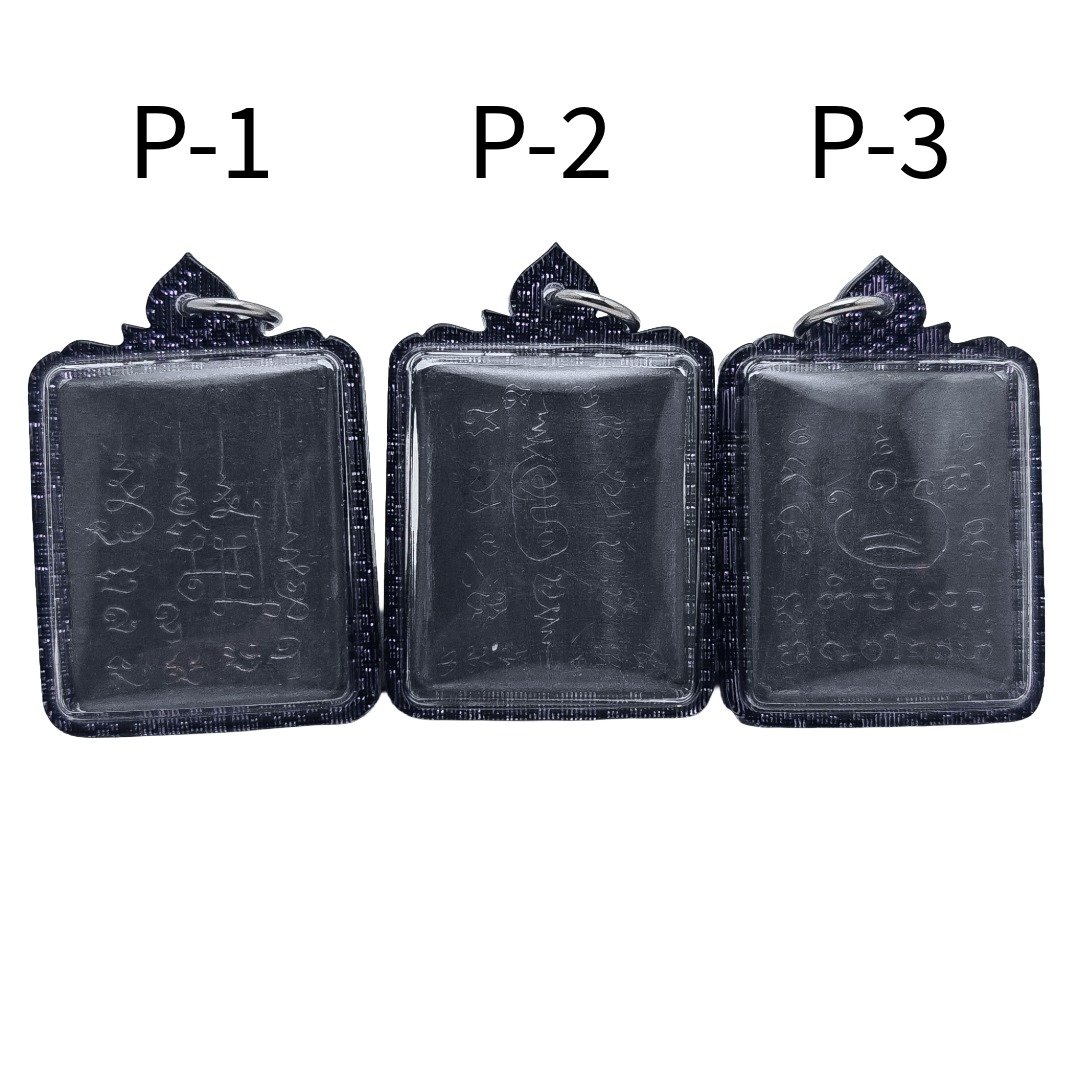
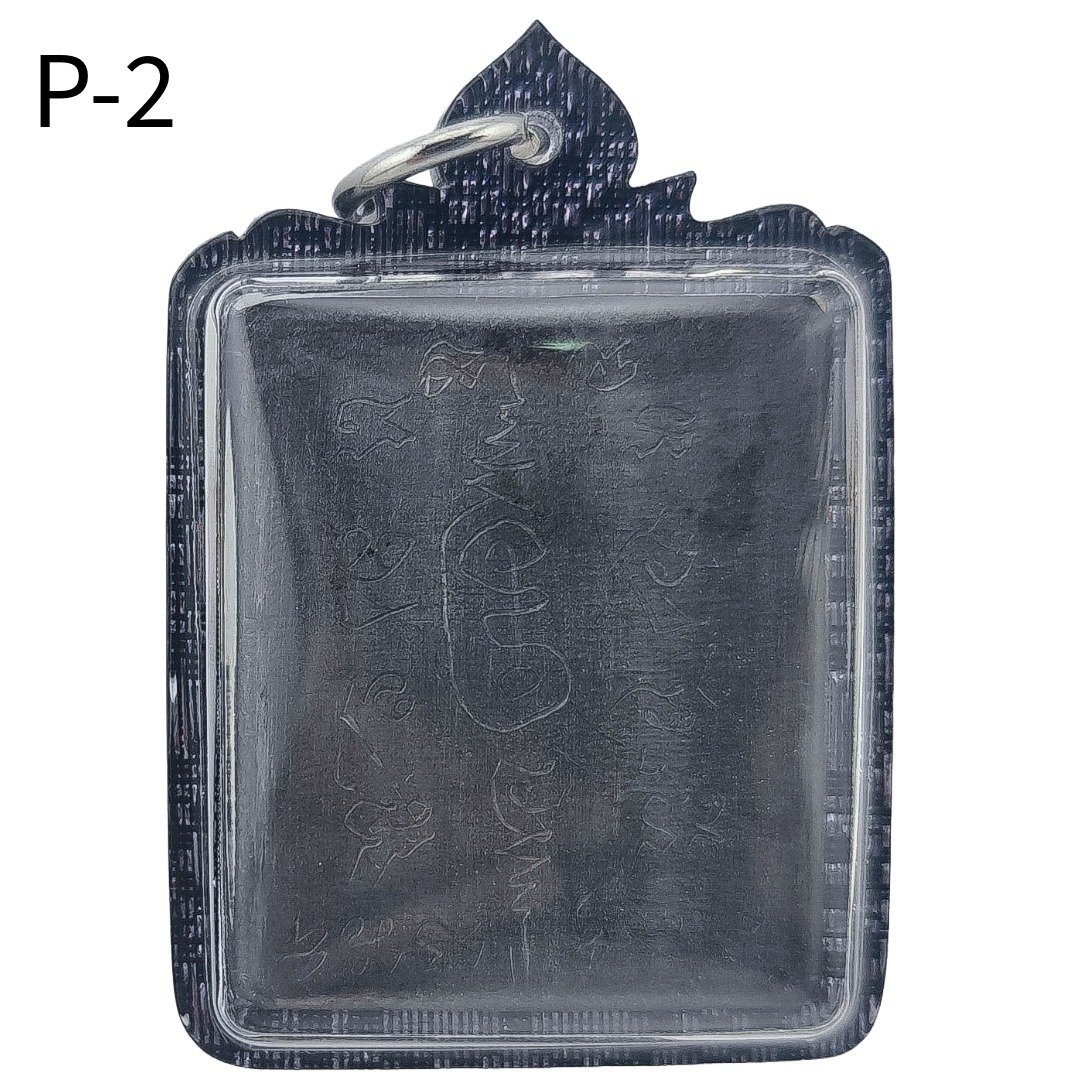
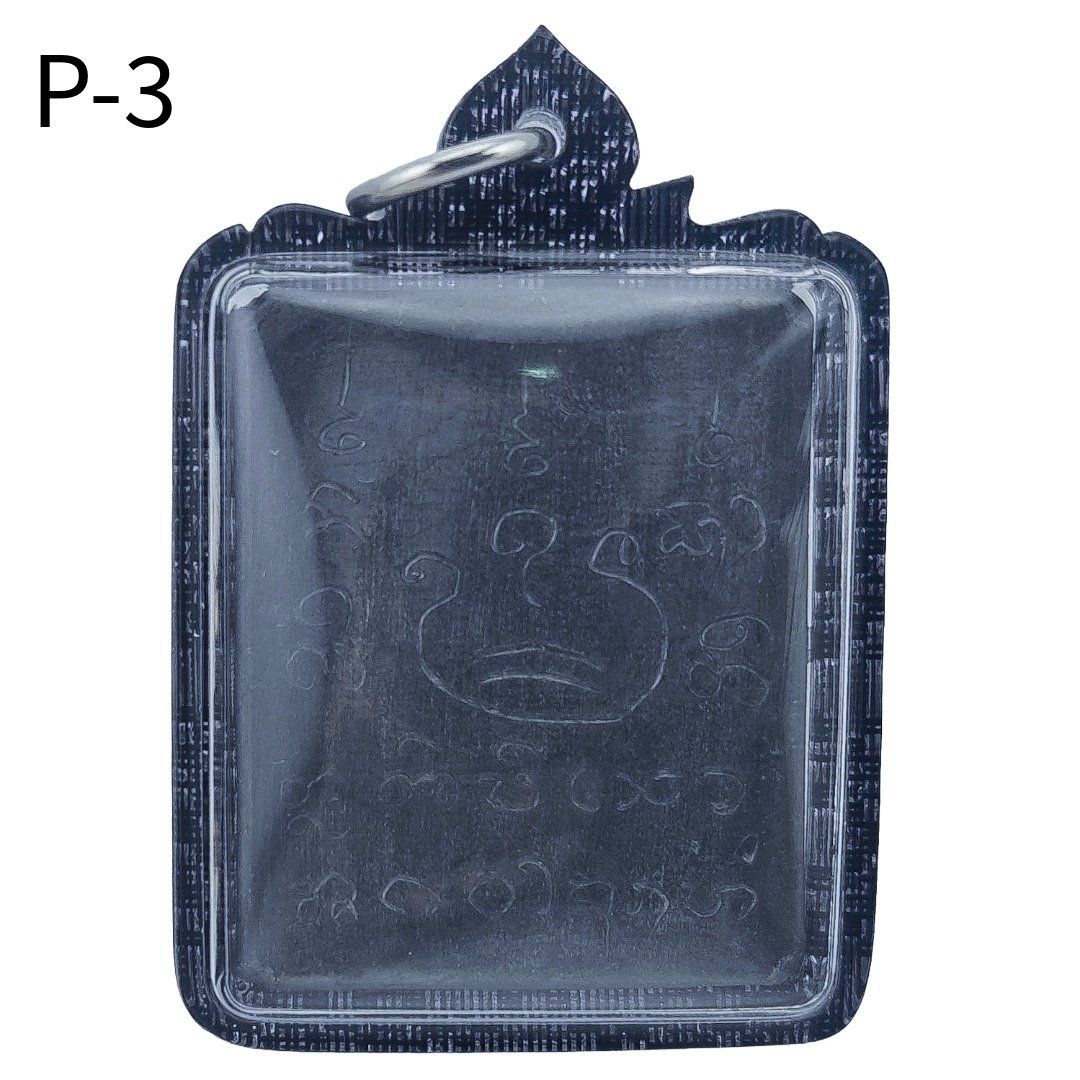
Only three pieces of this Sai Thep altar locket are available. All three carry the same old altar image on the front. Ajarn Kitkamo hand-scribed a different yant onto the back of each piece.
Each locket shares the same Sai Thep and Thep Ramphueng foundation. However, the reverse yant adds a second direction. P-1 focuses on desire, P-2 focuses on favour, and P-3 draws people and good things closer.
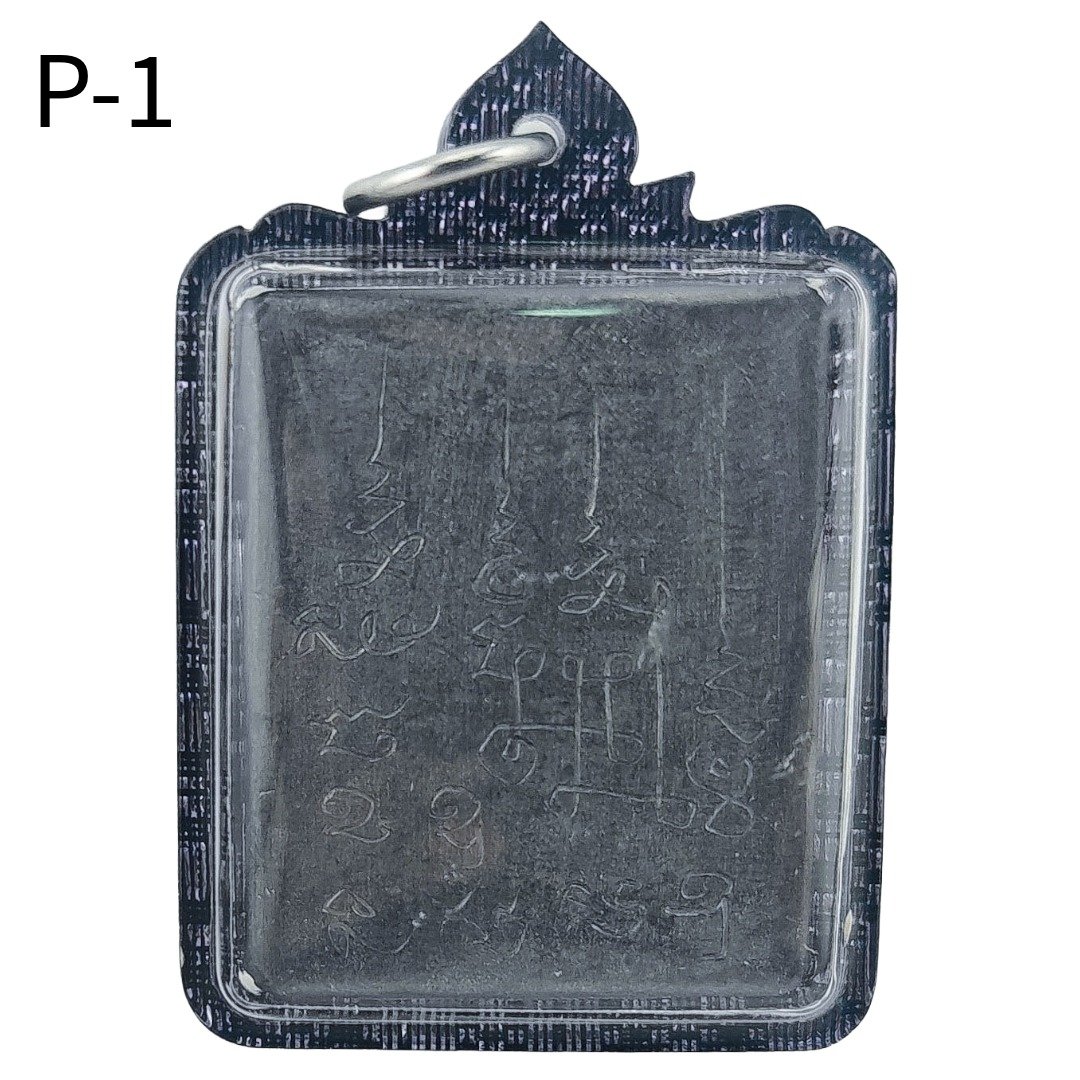
Check the rear photographs marked P-1, P-2 and P-3 before choosing. The fronts look the same, but the hand-scribed yants on the back are completely different.
Why Sai Prai / Sai Thep?
This altar belongs to Sai Thep. Ajarn Kitkamo described Sai Thep as a path that runs parallel to Sai Prai.
Sai Prai commonly works with ghosts and deceased human spirits. Sai Thep works with beings that have entered the Thep realm. English speakers often call these beings devas or angels.
According to Ajarn Kitkamo, the spirits behind this altar once lived as humans. He said their merit later brought them into the Thep realm. The original owner worshipped them as Sai Thep guardians, not ordinary ghosts.
This explains the relationship between both names. Sai Prai describes their human-spirit origin. Meanwhile, Sai Thep describes how the owner worshipped them.
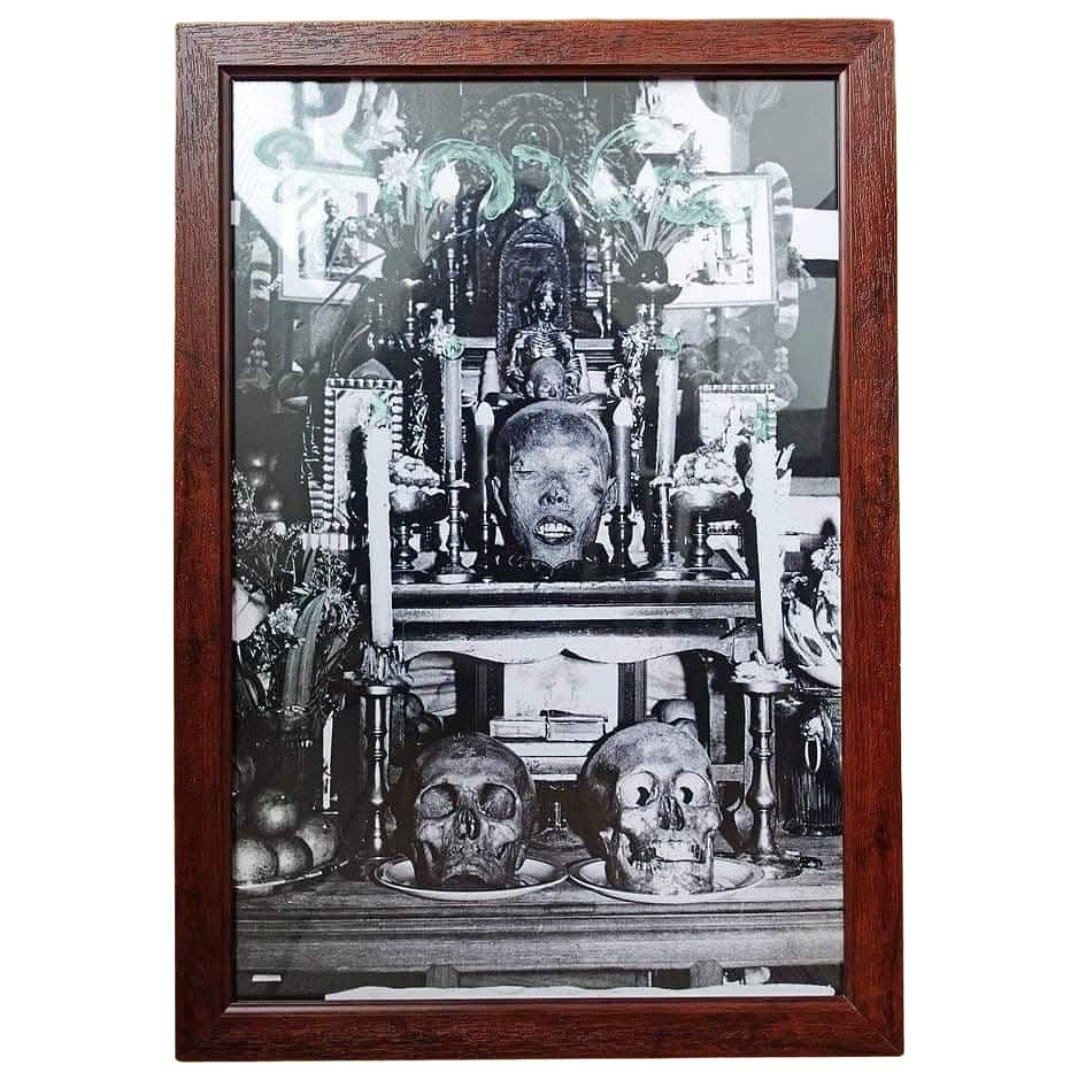
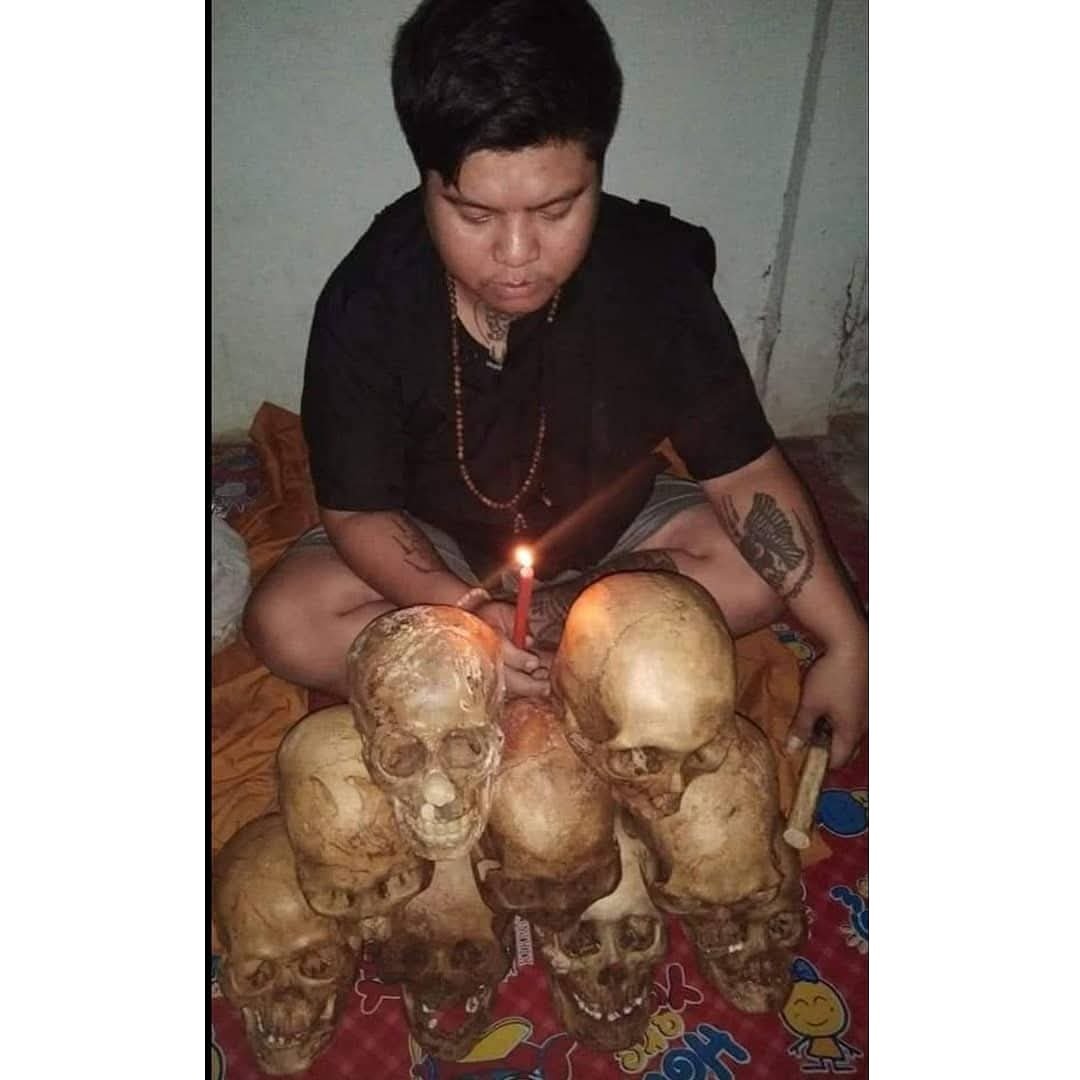
The Old Altar Behind This Sai Thep Altar Locket
A wealthy and influential man built the original altar in the photograph. He followed the Thep Ramphueng wicca and performed daily bucha. He also made offerings and recited the Katha Thep Ramphueng while caring for the spirits.
Ajarn Kitkamo believed the altar took a long time to complete. The skulls show clear differences in age and condition. You can also see a much smaller skull on a plate beneath the Buddha image.
Ajarn Kitkamo said cameras remained uncommon in Thailand at the time of this photograph. Even then, masters had already passed down Thep Ramphueng for many generations.
The image later became an important symbol of Somnac Payak Burapa. The samnak recreated the altar and used the image through years of chanting, spiritual practice and pluksek.
Ajarn Kitkamo teaches that the Sai Thep beings follow anyone who respectfully keeps the image. He says they also support and assist the owner.
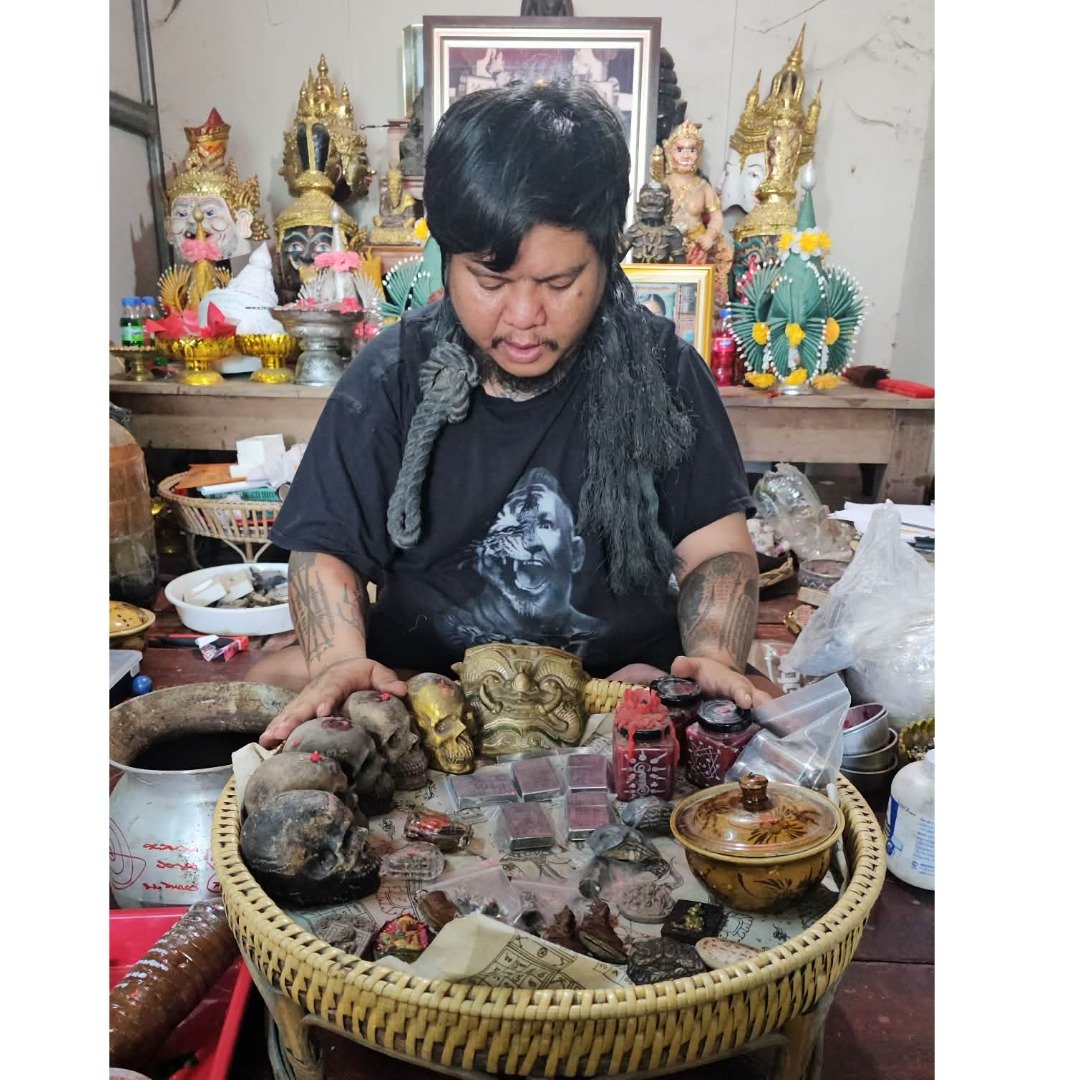
In BE 2565, Ajarn Kitkamo prepared and blessed these three lockets. He then hand-scribed a different yant onto the reverse of every piece.
How the Sai Thep Altar Locket Works
The main power of this Sai Thep altar locket is remembrance. Thep Ramphueng helps your presence remain after a meeting ends.
A person may keep thinking about your face, words or the feeling you left behind. Over time, that memory may create longing, attachment or the urge to meet again.
For relationships, this supports attraction and emotional attachment. For business, it helps customers remember you among many other sellers. It also supports metta, Maha Niyom, negotiations and important social situations.
The original teaching compares this effect to meeting an angel. People remember the owner with warmth, kindness and a strong emotional pull.
P-1 – Na Naga Krasan Thoranee: Desire
Thai: นะนาคกระสันธรณี
P-1 carries the strongest sensual direction of the three pieces. Na Naga Krasan Thoranee comes from old Brahma wicca and ancient deity traditions.
The formula supports Maha Saneh, metta and Maha Niyom. However, it places heavier weight on sensual feelings, sexual attraction and desire. Traditional teachings also connect it with reproduction and fertility.
Together with Thep Ramphueng, P-1 strengthens physical chemistry and instinctive attraction. Choose P-1 when you want people to remember you with desire.
P-2 – Na Piyo: Favour
Thai: นะปิโย
P-2 gives the most balanced direction for daily life, business and social matters. Na Piyo supports metta, Maha Niyom and warm treatment from others.
It strengthens goodwill from people and favour from seniors. It also supports good relations with both humans and Thep beings. People traditionally recite the Katha Piyo before meetings, business discussions or visits to senior figures.
Together with Thep Ramphueng, P-2 helps people remember you with goodwill and favour. Choose P-2 for sales, customers, negotiations, bosses and seniors.
P-3 – Na Khun Phaen / Na Khao Ha: Pull
Thai: นะขุนแผน / นะเข้าหา
P-3 carries the drawing direction. Na Khun Phaen / Na Khao Ha supports metta, Maha Niyom, charm and attraction.
Its main direction is to draw good things towards the owner. In daily life, this may include people, customers, relationships and useful opportunities.
Together with Thep Ramphueng, P-3 creates a stronger pull around your presence. Choose P-3 when you want favourable matters to move closer.
Look at the Back Before Choosing
All three versions share the same altar image and Thep Ramphueng effect. The reverse yant adds a different direction to each piece:
- P-1 – Desire: Sensual attraction, chemistry and physical pull.
- P-2 – Favour: Metta, goodwill, business and support.
- P-3 – Pull: People and favourable matters moving closer.
Once one variation sells, that exact hand-scribed version is gone.
🔱𝑺𝒉𝒐𝒈𝒖𝒏𝑿 𝑨𝒎𝒖𝒍𝒆𝒕𝒔
𝑾𝒉𝒆𝒓𝒆 𝒚𝒐𝒖𝒓 𝒔𝒑𝒊𝒓𝒊𝒕𝒖𝒂𝒍 𝒋𝒐𝒖𝒓𝒏𝒆𝒚 𝒃𝒆𝒈𝒊𝒏𝒔
WhatsApp: https://wa.me/6580444447/
Email: shogunxamulets@gmail.com

Reviews
There are no reviews yet.