
-
 FREE Shipping in Singapore (All Items) | $10 to Malaysia & Brunei | $15 to everywhere else | $55 to USA
* Overseas rate applies to small items only - large items may cost more.
FREE Shipping in Singapore (All Items) | $10 to Malaysia & Brunei | $15 to everywhere else | $55 to USA
* Overseas rate applies to small items only - large items may cost more.
FREE Shipping in Singapore (All Items) | $10 to Malaysia & Brunei | $15 to everywhere else | $55 to USA
* Overseas rate applies to small items only - large items may cost more.

Ajarn Tom
Estimated from around 5–8 years ago
In the past, prai amulets were made under very different conditions. They were not designed for accessibility, speed, or visual appeal. Instead, they were created slowly, deliberately, and with a level of care that is increasingly rare today.
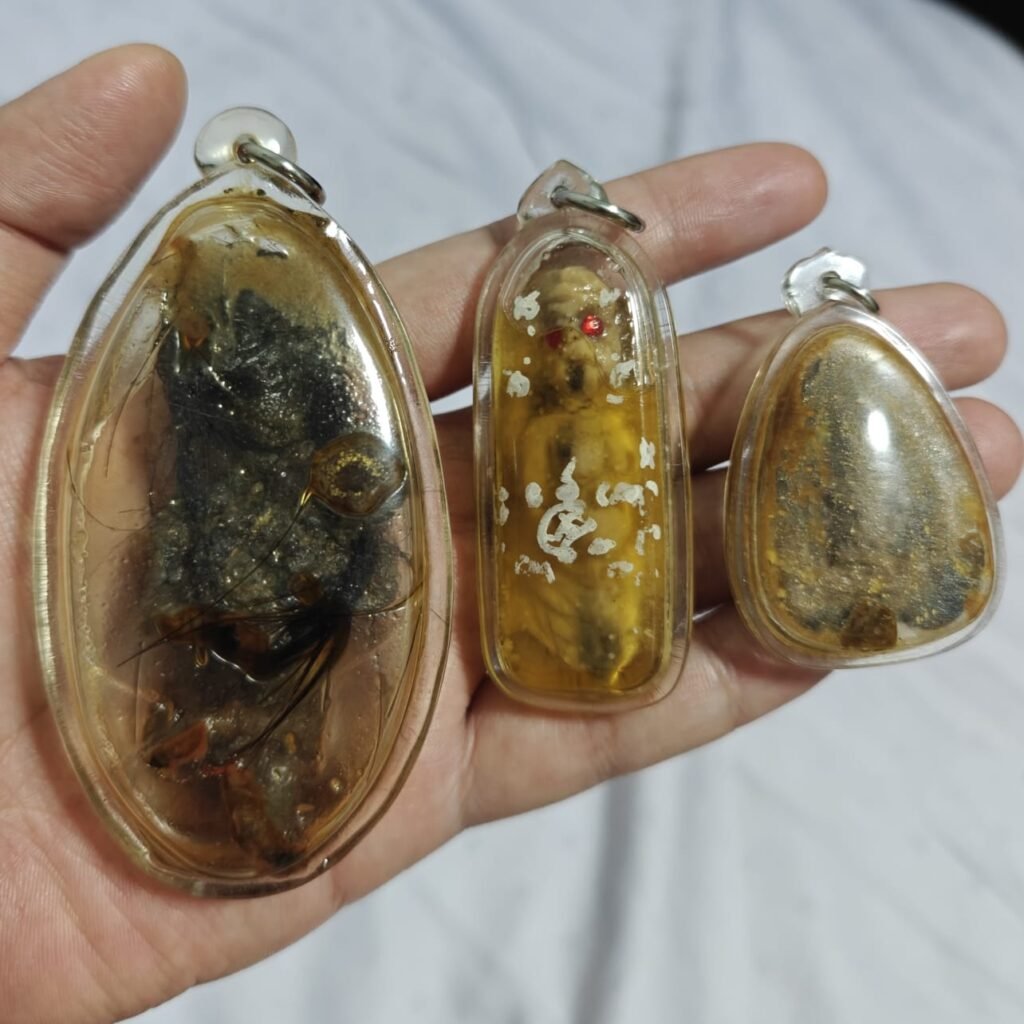
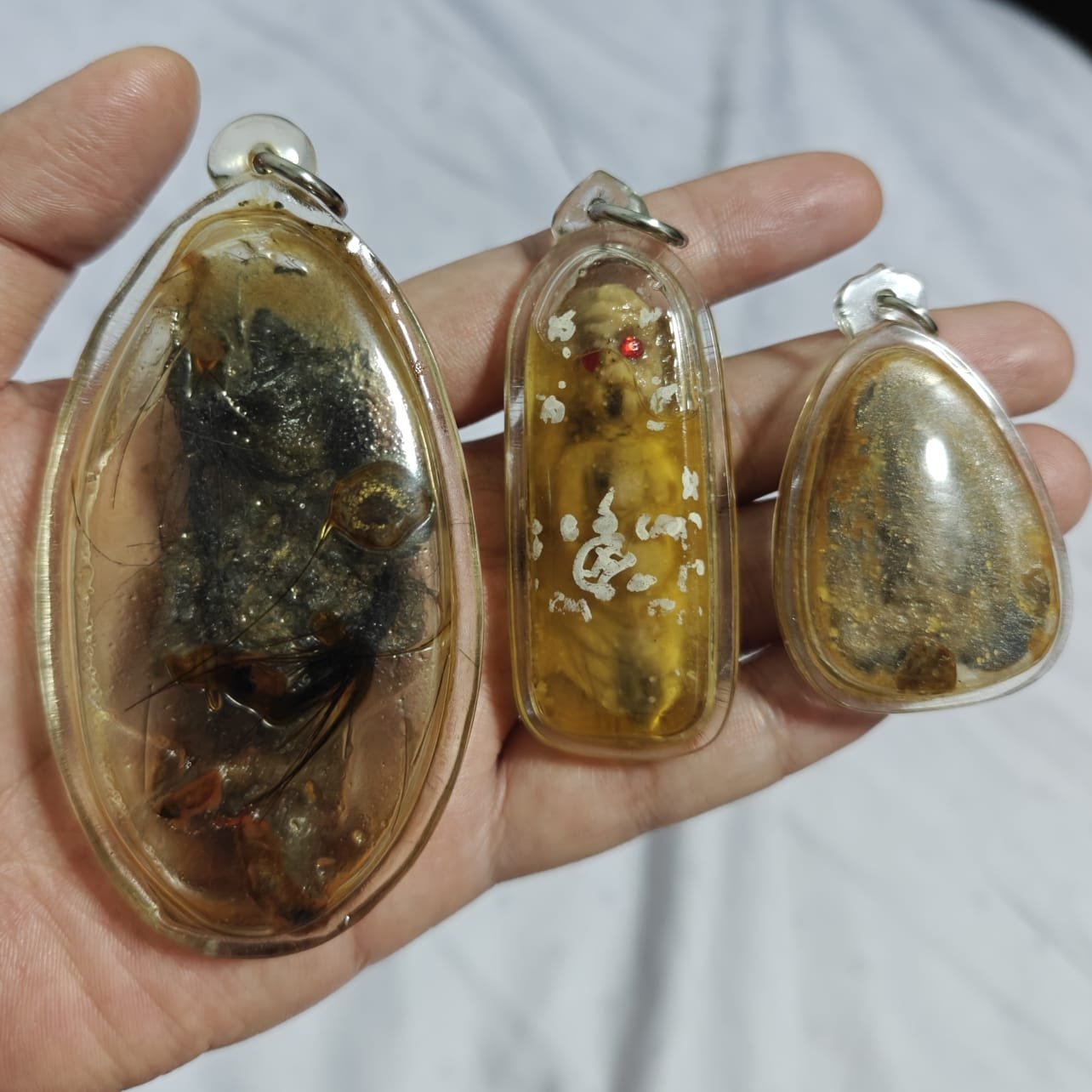
This article documents three older prai amulets by Ajarn Tom — one Mae Nak and two Ngan — from an earlier period of his work, estimated to be around five to eight years ago.
At that time, prai amulets were difficult to obtain and never inexpensive. More importantly, they were never rushed. The process itself mattered as much as the outcome.
Materials were carefully sourced rather than conveniently assembled. Spirits were approached directly instead of symbolically referenced. Consecrations took time, and in many cases extended across long periods before a piece was considered complete. As a result, the work often carried a raw, dense, and unmistakably potent character.
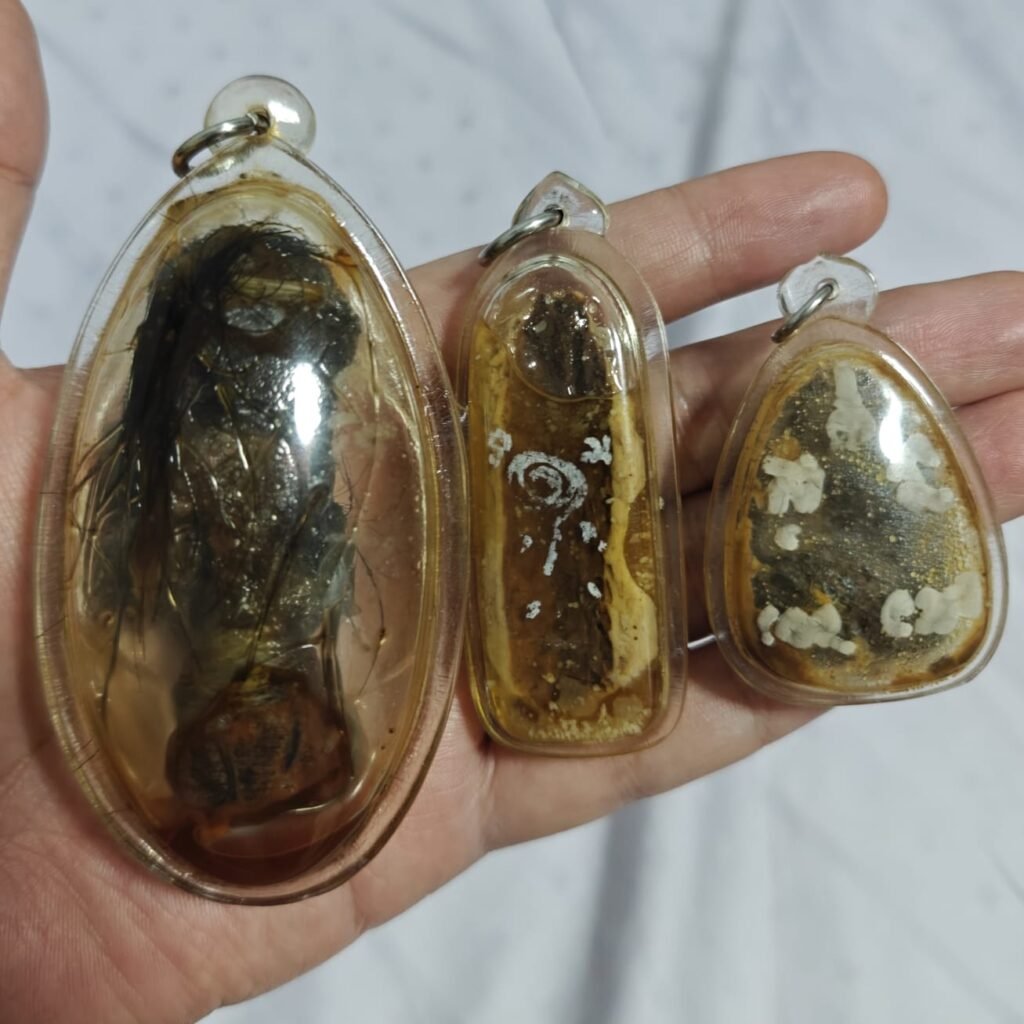
One of the clearest distinctions in older work can be seen in the use of Nam Man Prai.
In these pieces, the oil was not applied cosmetically, nor was it diluted for appearance or consistency. Over the years, two of the amulets have absorbed most of the oil directly into their structure. The remaining piece, however, remains heavily saturated, still holding the oil in a state very close to how it was years ago.
This kind of absorption reflects a slower working pace. Rather than sitting on the surface, the materials were allowed to interact with the amulet over time, resulting in a presence that feels embedded rather than applied.
During this period, many prai workings relied on crushed materials sealed directly into the mix. In some cases, compositions were intentionally kept simple, using only one or two key ingredients handled properly and with care.
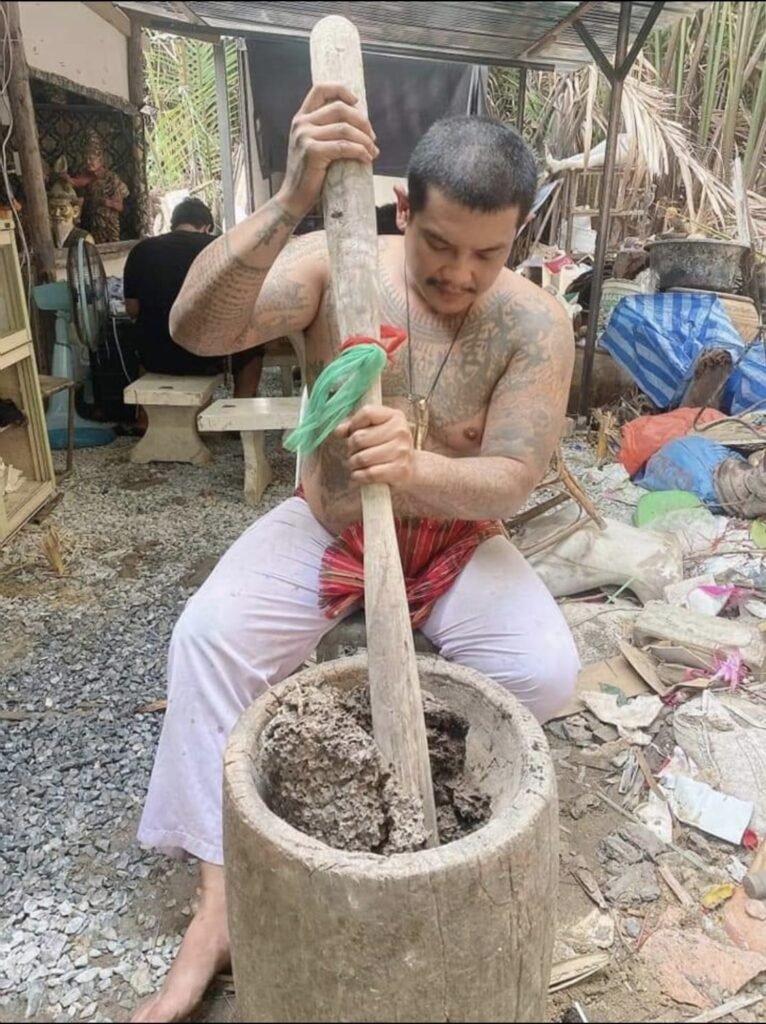
Just as importantly, many workings required the amulet to be wrapped and continuously worked through oil. This method demanded patience, repetition, and close attention from the practitioner. Over time, however, this style of work gradually faded as faster and cleaner approaches became more common.
Convenience replaced duration. Appearance replaced density. As a result, many modern pieces now prioritise accessibility and finish over process.
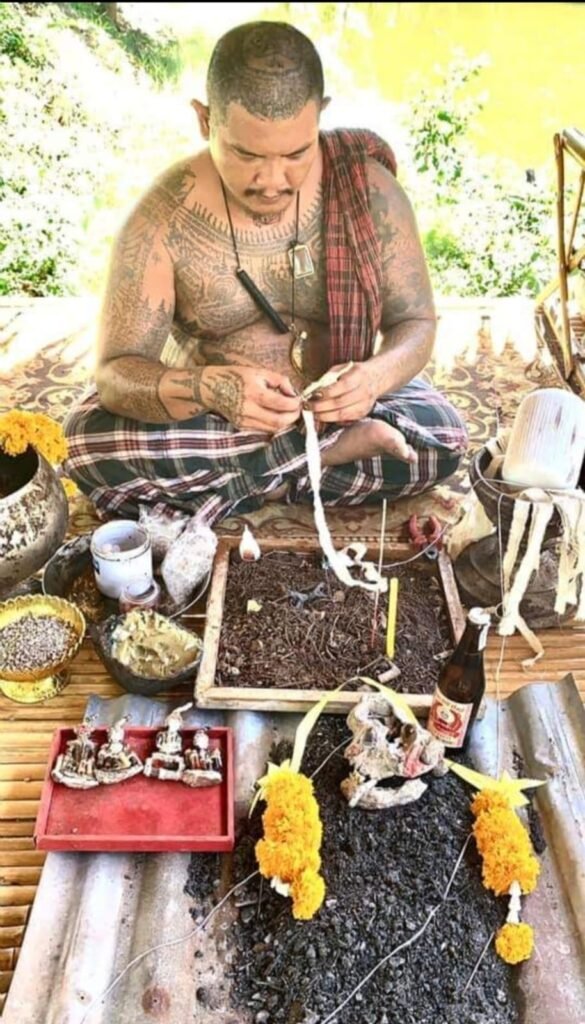
Despite these broader shifts, Ajarn Tom has largely maintained his working foundation.
While modern pieces today may appear cleaner, more refined, and easier to acquire, the underlying approach remains grounded in traditional practice. Shortcuts are avoided. Core methods are preserved. Function is prioritised over presentation.
Because of that consistency, these older pieces remain uncompromised in both structure and intent. They reflect a working style shaped by patience, familiarity with materials, and long-term engagement with the process itself.
This article is shared primarily as documentation and reference.
That said, questions and discussion are welcome for those who wish to understand this period of work more deeply.
🔱𝑺𝒉𝒐𝒈𝒖𝒏𝑿 𝑨𝒎𝒖𝒍𝒆𝒕𝒔
Where your spiritual journey begins





Typically replies within a hour