FREE Shipping in Singapore (All Items) | $10 to Malaysia & Brunei | $15 to everywhere else | $60 vis FEDEX or $30 Vis SingPost to USA
* Overseas rate applies to small items only - large items may cost more.
FREE Shipping in Singapore (All Items) | $10 to Malaysia & Brunei | $15 to everywhere else | $60 vis FEDEX or $30 Vis SingPost to USA
* Overseas rate applies to small items only - large items may cost more.
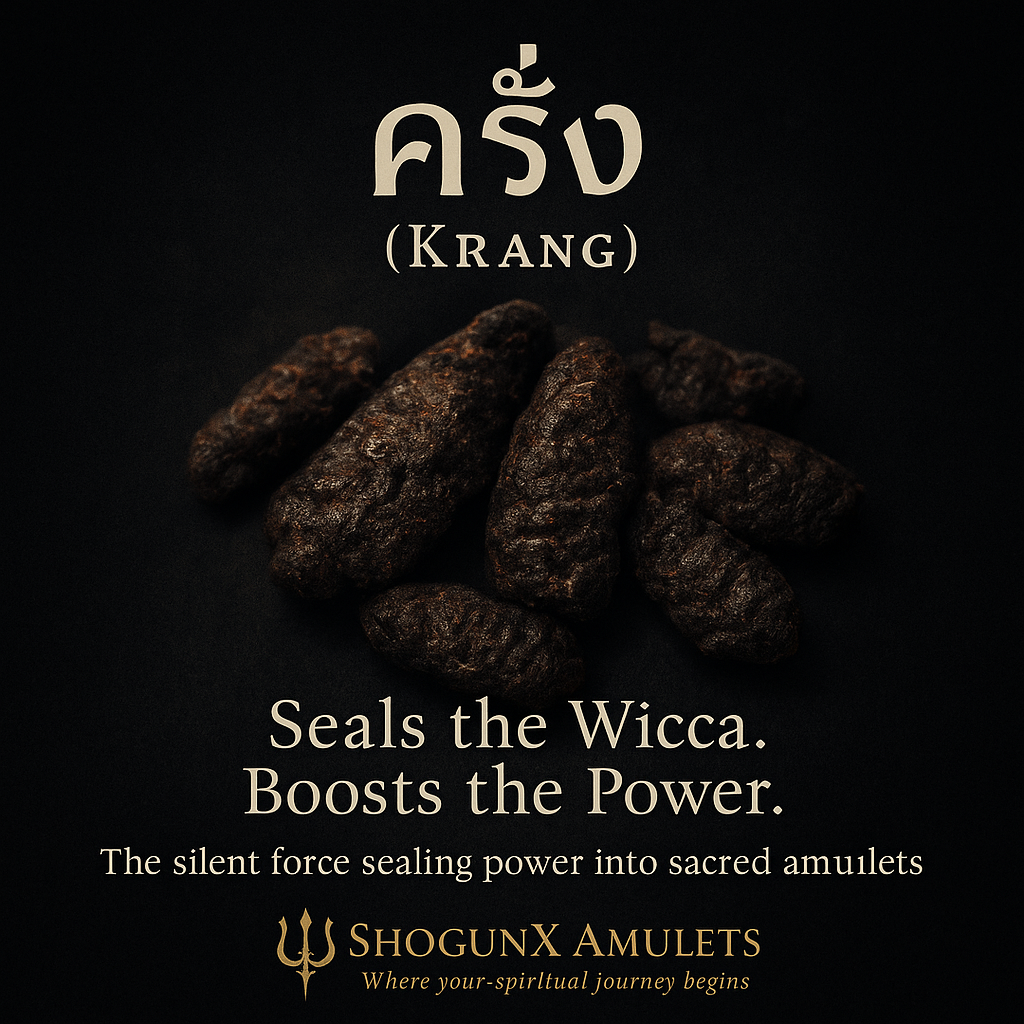
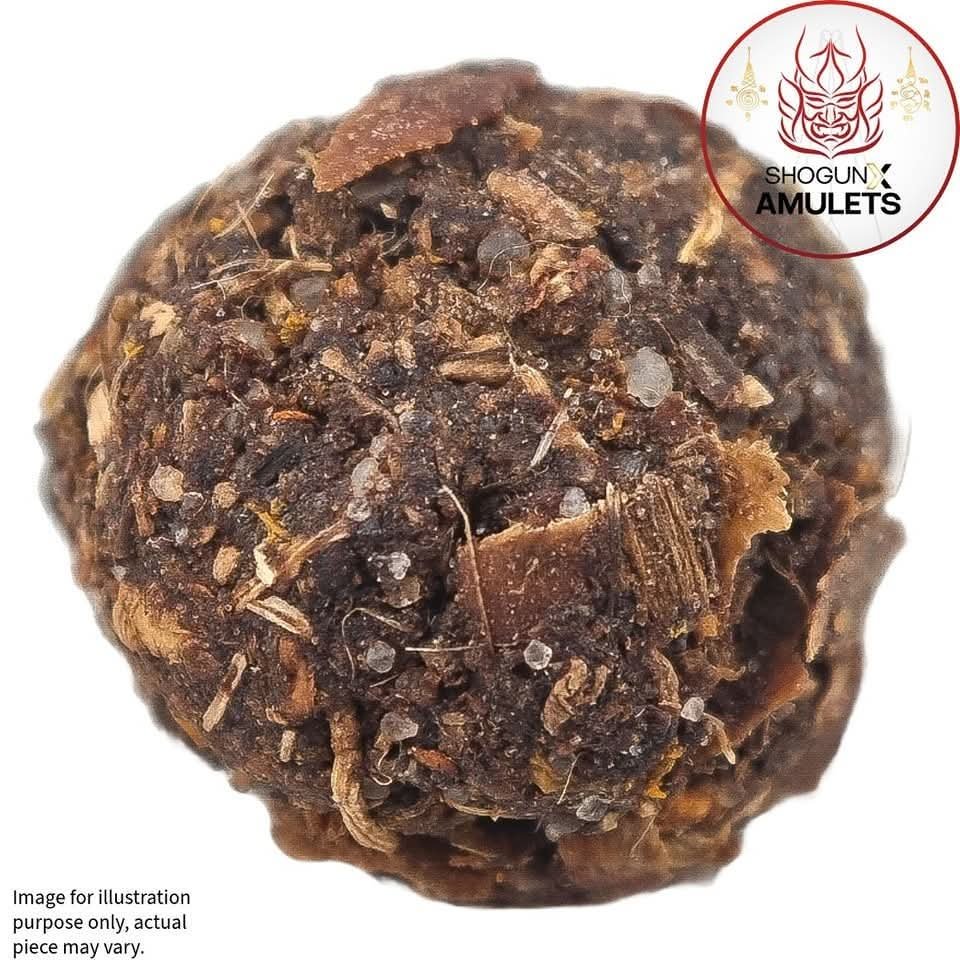
When it comes to Thai amulets, every detail matters — from the sacred powders to the way it’s sealed. One often overlooked material is ครั่ง (𝐤𝐫𝐚𝐧𝐠), the natural red resin created by lac insects on certain trees. To most, it looks like nothing more than a glossy finish or a sticky binder. But in truth, krang is considered a silent amplifier — a force that 𝐥𝐨𝐜𝐤𝐬 𝐢𝐧 𝐭𝐡𝐞 𝐰𝐢𝐜𝐜𝐚, 𝐩𝐫𝐞𝐬𝐞𝐫𝐯𝐞𝐬 𝐭𝐡𝐞 𝐬𝐚𝐜𝐫𝐞𝐝 𝐰𝐨𝐫𝐤, 𝐚𝐧𝐝 𝐛𝐨𝐨𝐬𝐭𝐬 𝐭𝐡𝐞 𝐞𝐟𝐟𝐞𝐜𝐭 𝐨𝐟 𝐚𝐧 𝐚𝐦𝐮𝐥𝐞𝐭 𝐨𝐫 𝐛𝐮𝐜𝐡𝐚, much like adding nitro to a car engine. 𝗧𝘆𝗽𝗲𝘀 𝗼𝗳 𝗞𝗿𝗮𝗻𝗴 𝗮𝗻𝗱 𝗧𝗵𝗲𝗶𝗿 𝗦𝘂𝗯𝘁𝗹𝗲 𝗗𝗶𝗳𝗳𝗲𝗿𝗲𝗻𝗰𝗲𝘀 – – 𝐁𝐲 𝐇𝐨𝐬𝐭 𝐓𝐫𝐞𝐞: Krang forms differently depending on the tree it grows on. Rain Tree and Jujube hosts tend to give deeper red tones, while Longan and Lychee produce lighter amber shades. Some krang even comes from the 𝐁𝐨𝐝𝐡𝐢 𝐭𝐫𝐞𝐞 (ต้นโพธิ์), linking it directly to the symbolism of the Buddha’s enlightenment.