

Description
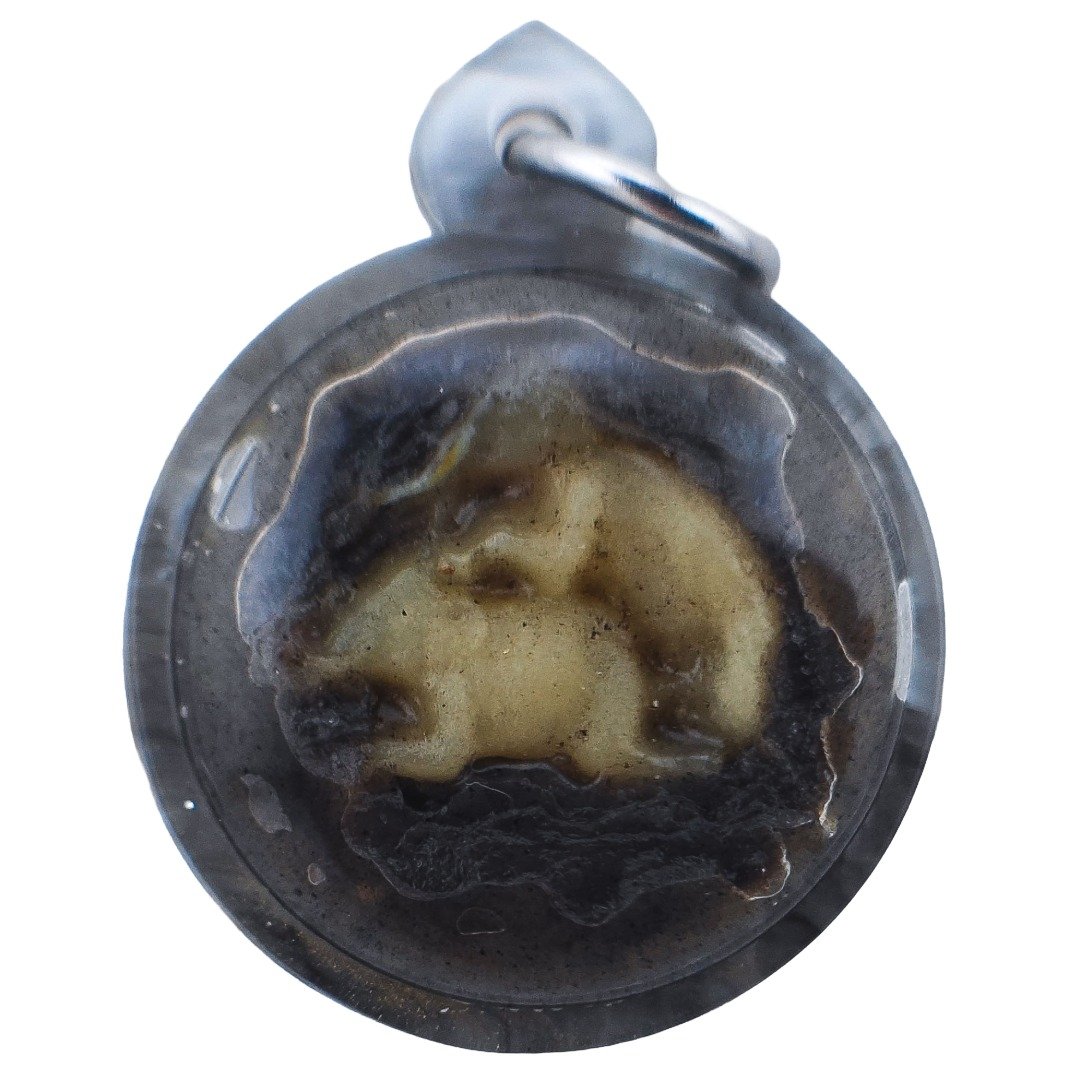
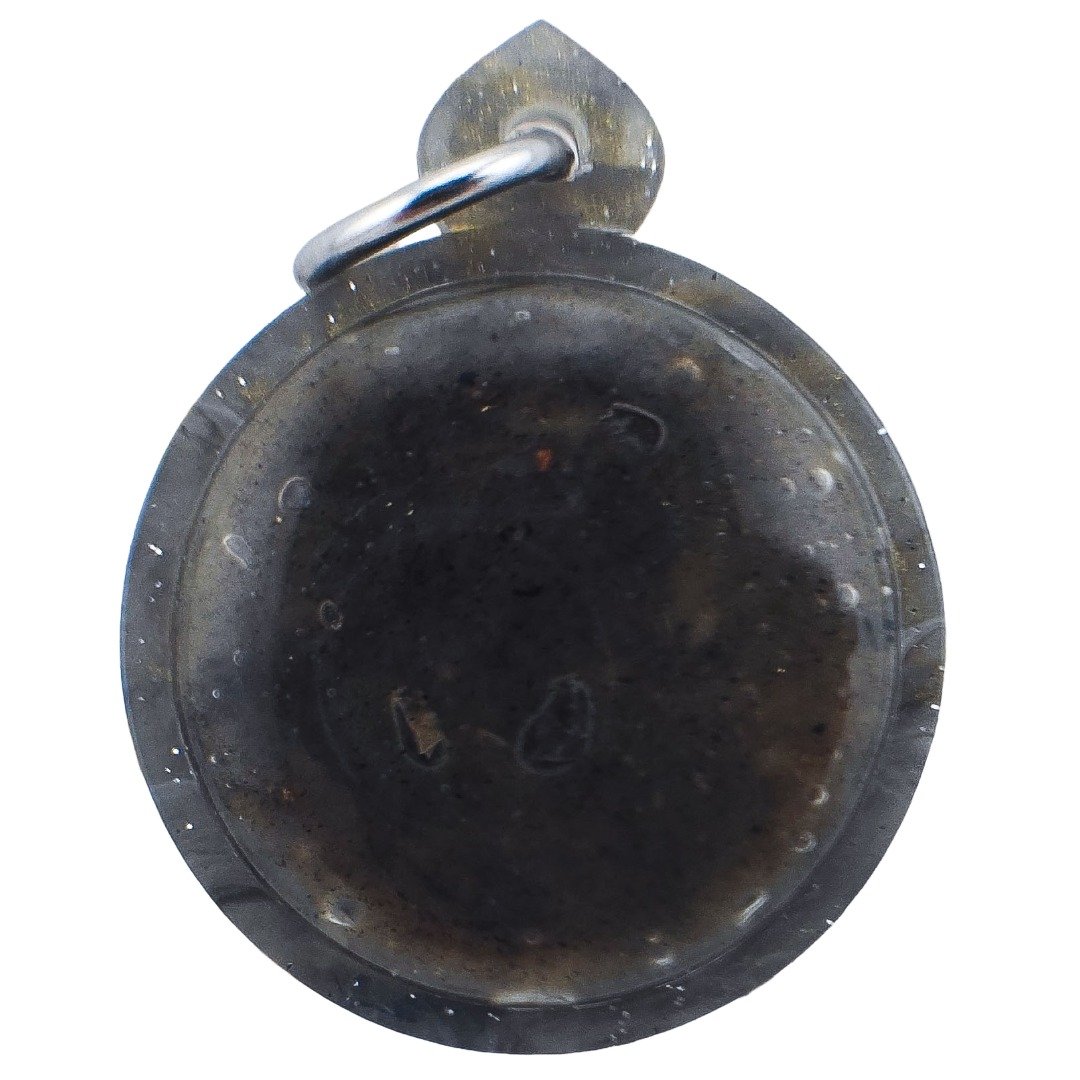
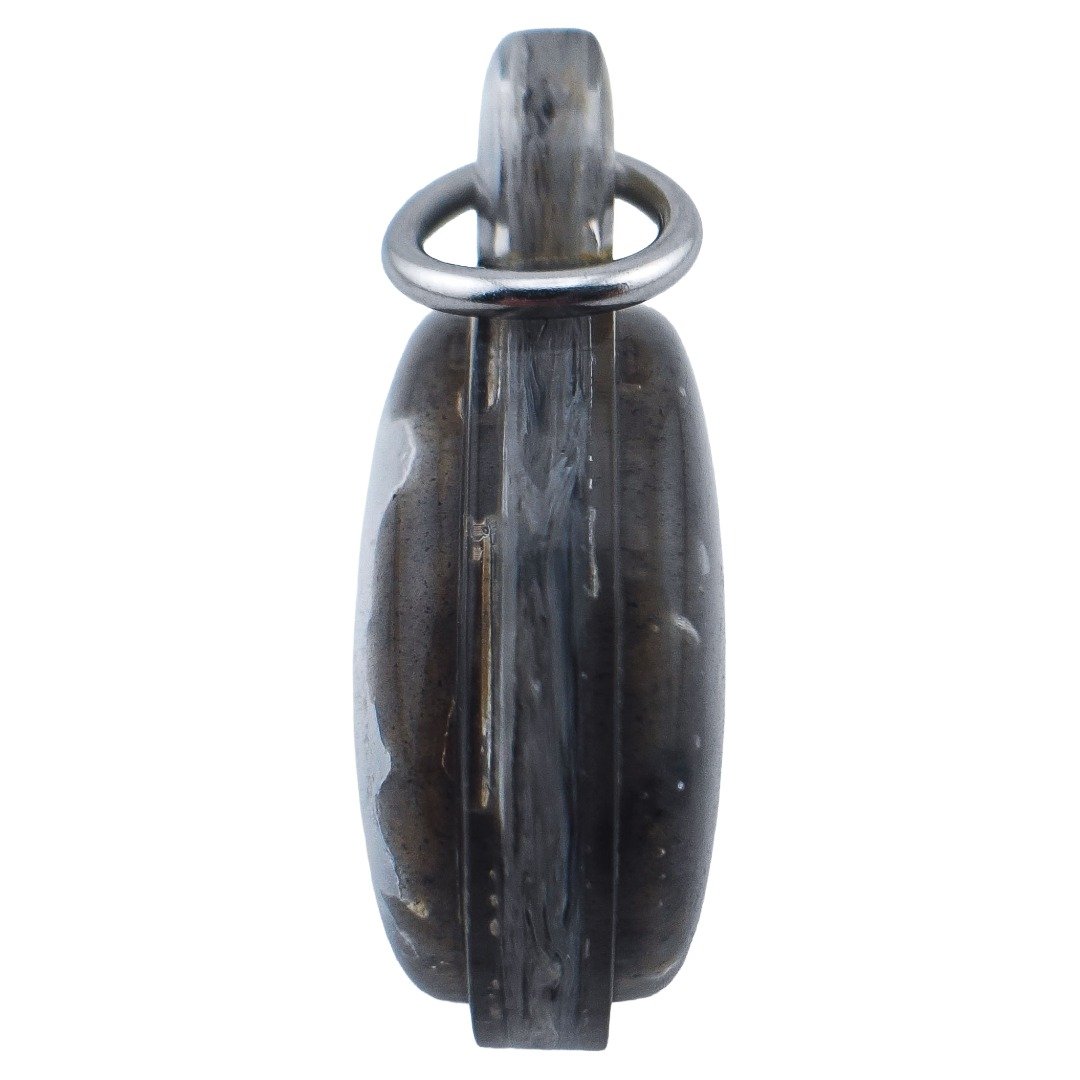
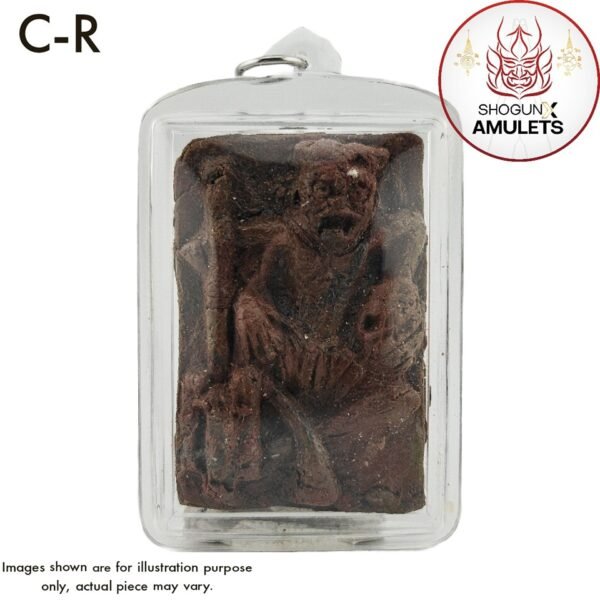
Ajarn Tom | Size: 4.2 × 2.9 × 1 cm
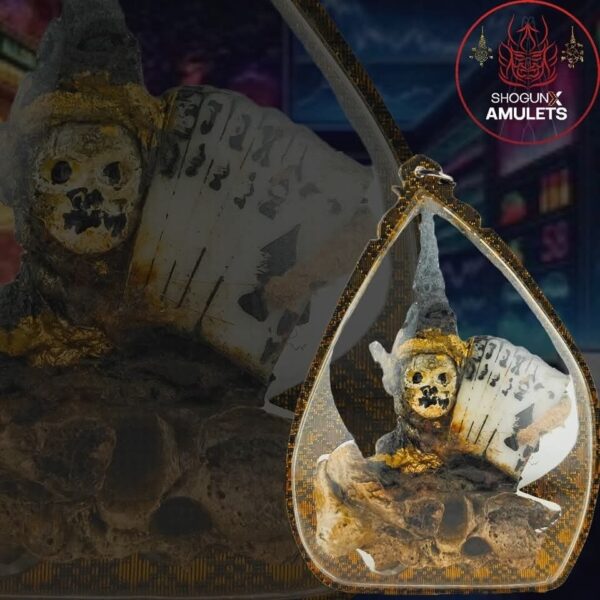
This isn’t simply another Chang Sep Chang with some Saneh ingredients added. What we have here is Gradook Chang carved into two mating elephants, embedded directly into the original pure Hakom Hua Chuea from Ajarn Tom’s third and final batch.
For those familiar with these two wicca, Chang Sep Chang focuses on extreme Saneh, sexual attraction and Metta. Hakom, known as the Lord of Ghosts, is an entirely different matter. Apart from wealth and attraction, people also know Hakom for its aggressive nature, tracking, protection and dealing with troublesome people or spirits.
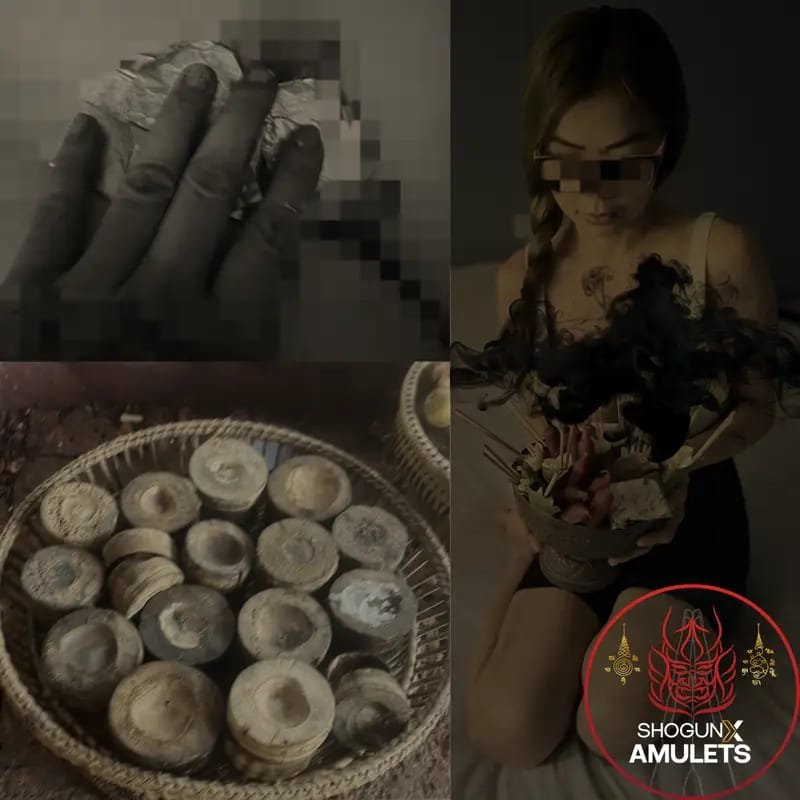
The Chang Sep Chang carving and pure Nam Man Chang Baa also underwent a separate special Saneh ritual with the assistance of a female devotee, before entering the original Hakom wax tub.
Chang Sep Chang – More Than Just Lust
Chang Sep Chang is an uncommon elephant wicca depicting two elephants mating. It bears similarities to the better-known Ma Sep Nang, although they are two different wicca.
Two elephants mating isn’t exactly subtle imagery. This particular wicca focuses on strong sexual desire, attraction, affection and intimacy, rather than just ordinary charm.
People traditionally use Chang Sep Chang to increase sexual appeal, attract romantic interest and improve intimacy. It also helps encourage affection, strengthen relationships and reconcile couples after arguments or separation, according to traditional beliefs.
For those having trouble attracting someone, keeping their partner interested or getting their relationship back on track, Chang Sep Chang addresses these concerns.
But don’t mistake it for something meant purely for love and sex.
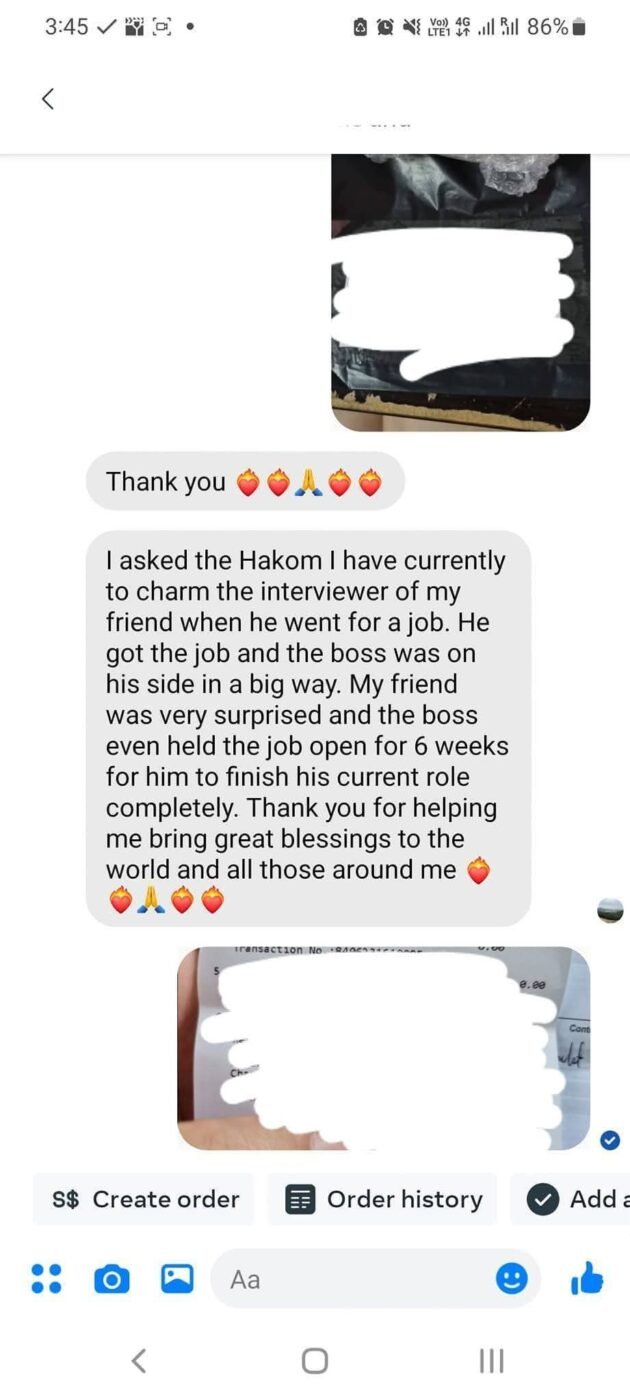
Chang Sep Chang also carries Metta Maha Niyom, which extends to the people you deal with daily. This includes family, friends, colleagues, bosses and customers. Traditionally, Metta helps others favour you, feel comfortable around you and become more willing to listen or offer assistance.
For those doing business, this can be particularly useful. Customers who like you are easier to deal with. Meanwhile, good relationships can also help with sales, negotiations and career opportunities.
After all, having good products or abilities doesn’t mean much if nobody wants to deal with you.
This is why Chang Sep Chang also supports customer attraction, business, career and wealth in traditional belief, rather than just romantic matters.
Separately Blessed Before Entering The Hakom Wax
Before placing the materials into the original Hakom wax tub, Ajarn Tom separately blessed both the Gradook Chang carving and pure Nam Man Chang Baa.
He performed a special Saneh ritual with the assistance of a female devotee, specifically for these materials.
So Ajarn Tom didn’t simply add the Chang Sep Chang as another ingredient. He had already given it a separate Saneh blessing beforehand.
What’s also worth mentioning is that each original Hakom wax tub contained only one Chang Sep Chang carving.
The original Hakom wax later went through division into smaller amulet-sized portions. This particular piece contains the Chang Sep Chang carving directly within the wax, with both materials encased together.
Hakom – The Lord Of Ghosts
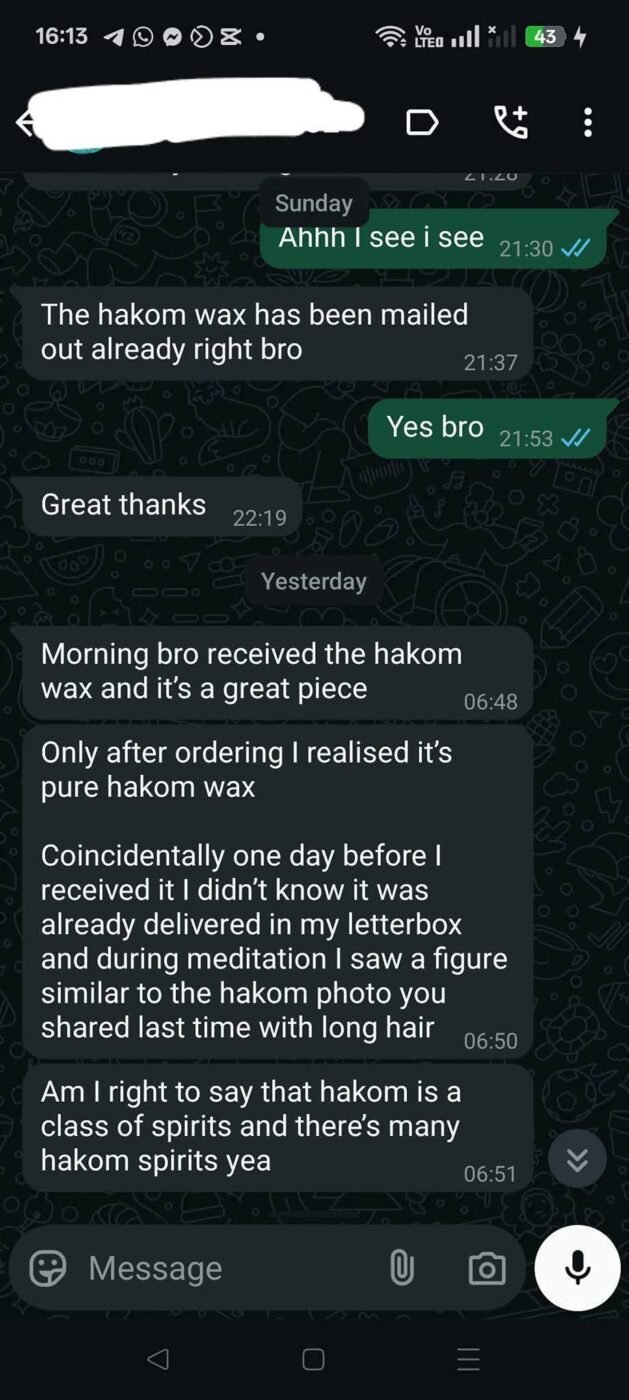
For those who have been following our earlier Hakom releases, you should already know that Hakom isn’t your ordinary Prai.
Traditional occult accounts describe Hakom, also known as Phaya Ghob Hakom, as a ghoul-like being, neither fully living nor truly dead. Some compare it to a zombie. However, Hakom supposedly possesses greater intelligence and awareness than ordinary spirits.
According to one traditional account, a powerful occult practitioner may become Hakom after losing control of the spirits under his command. Instead of obeying their master, those spirits eventually turn against him. The resulting spiritual consequences supposedly transform the practitioner into Hakom.
This is one traditional explanation of Hakom’s origin, rather than a definite account of how every Hakom comes into existence.
Traditional accounts describe Hakom as 1,000 times stronger than ordinary spirits. Some claims surrounding pure Hakom See Pheung even reach 10,000 times. These figures come from occult tradition, but they show how highly practitioners regard Hakom.
Hakom wicca has roots in the Kuy occult tradition, where practitioners passed this knowledge down through selected lineages. According to the lineage account, Ajarn Tom learned this wicca from his teacher, Phu Lersi Pong.
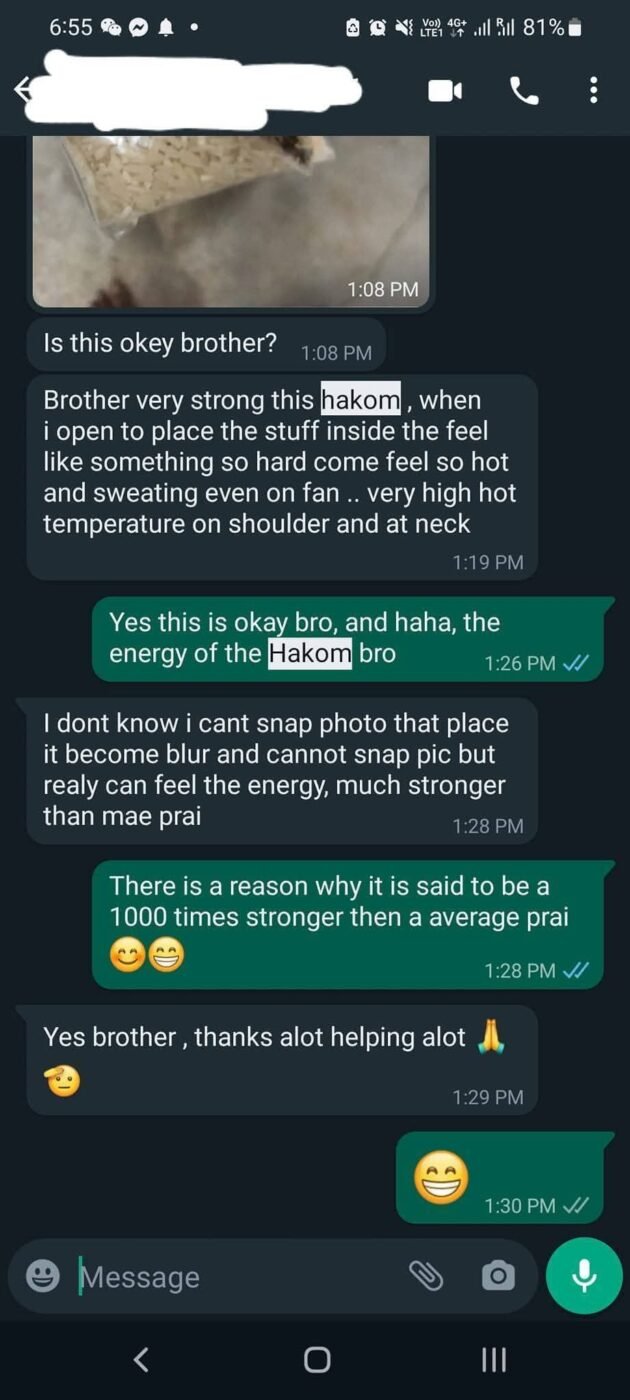
Unlike ordinary Prai amulets, Hakom has a reputation for aggressive and darker applications. These include tracking debtors, debt recovery, dealing with enemies, curses, destruction, retaliation and protection against hostile spiritual influences.
Traditionally, practitioners also use Hakom to exercise authority over troublesome spirits and keep them under control.
However, don’t assume Hakom is only meant for these darker purposes.
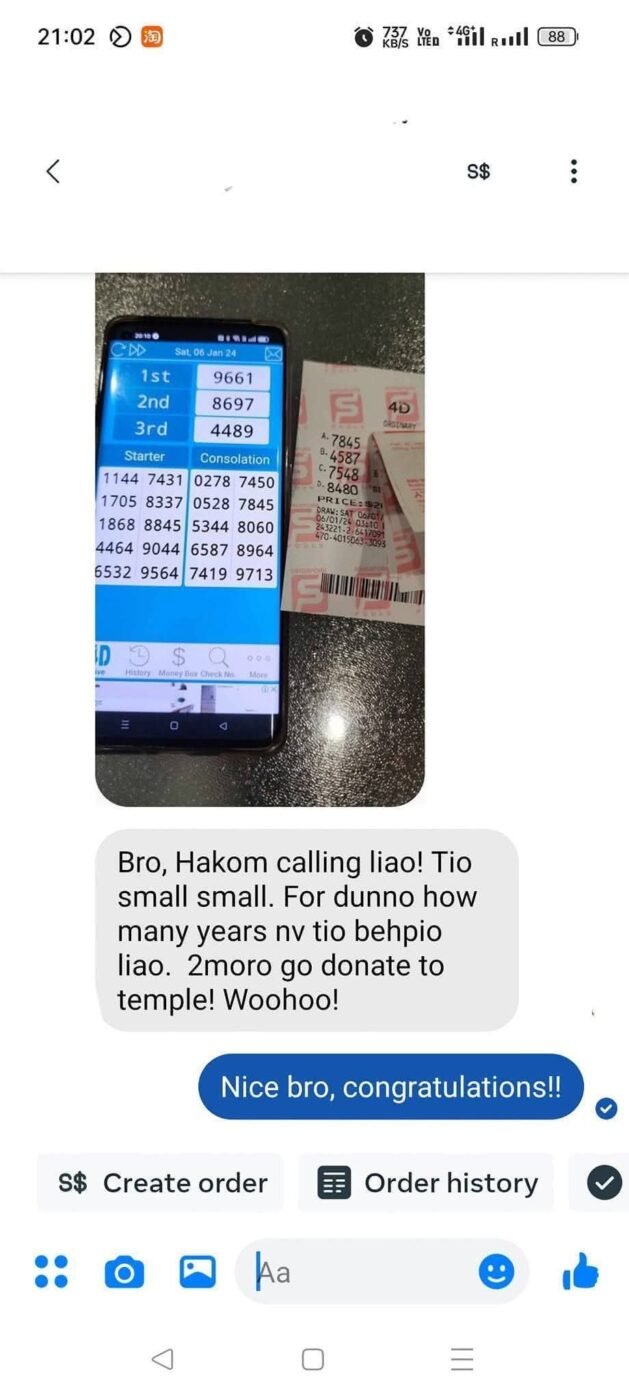
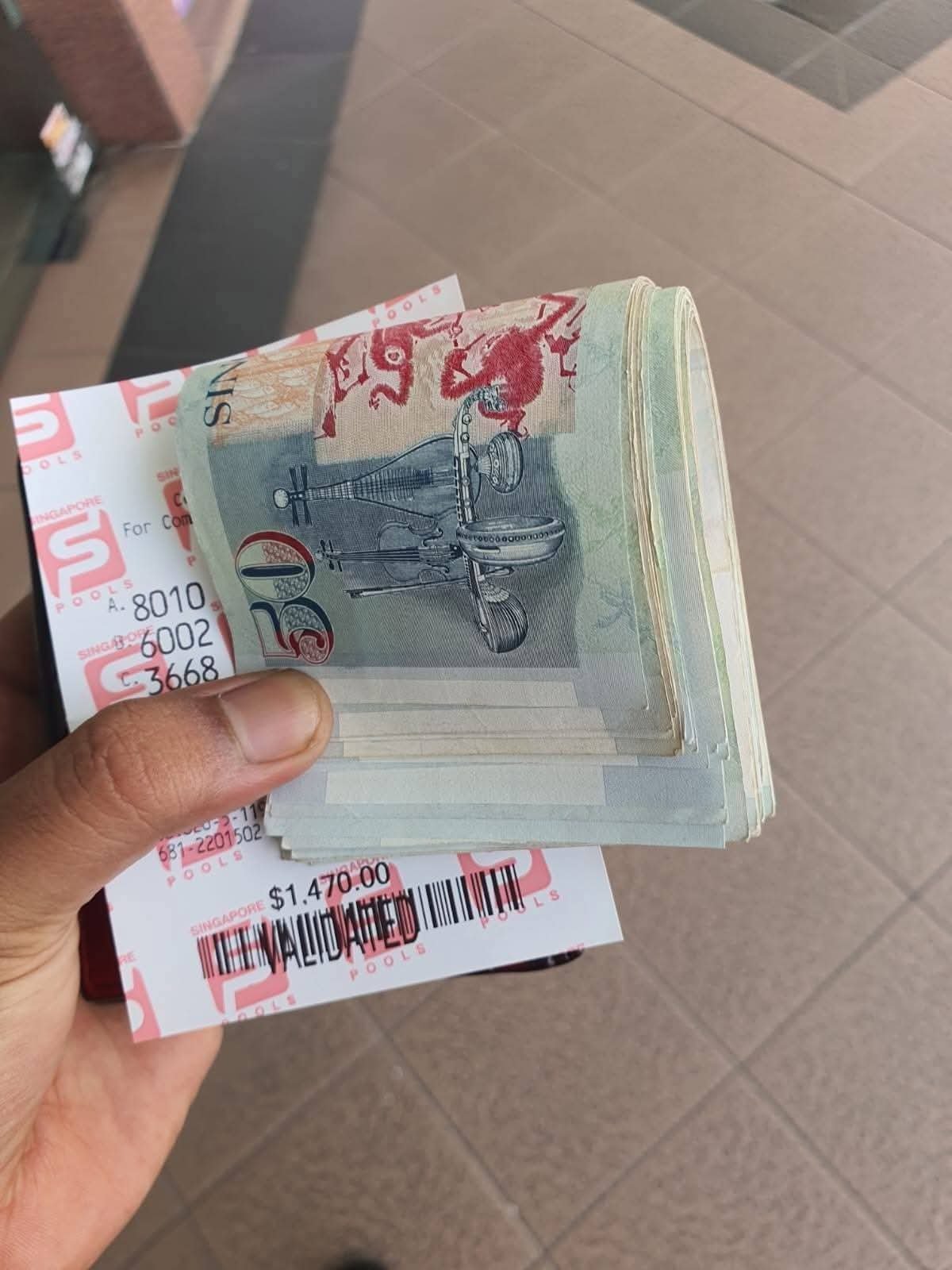
Its traditional functions also include wealth, business, windfall luck, Saneh, attraction and wish granting.
So apart from Chang Sep Chang’s emphasis on attraction and Metta, Hakom brings its own range of spiritual abilities into this amulet.
Hua Chuea – The Original Pure Hakom Wax
The wax in this amulet comes from Ajarn Tom’s third and final batch of pure Hakom See Pheung, also known as Hua Chuea.
For those unfamiliar with Hua Chuea, it refers to the original concentrated mixture that serves as the base for further preparations.
Over the years, Ajarn Tom made numerous Hakom amulets, bucha, phayant and other ritual items. Although these creations contained different ingredients and served different purposes, many shared one important material: his original Hakom Hua Chuea.
Ajarn Tom prepared this wax in large pots using Prai essences, enchanted oils, sacred powders and other ritual ingredients. He had accumulated these materials throughout his practice. Some also came from different Kruba Ajarns, while the exact recipe remains his secret.
When preparing Hakom items, he would take portions from the existing Hua Chuea. He used some directly, while others received additional ingredients or more wax, depending on the particular creation.
So having an amulet that contains Hakom wax doesn’t necessarily mean you’re getting the original pure Hua Chuea.
The wax in this Chang Sep Chang comes directly from the original concentrated Hua Chuea itself, rather than a diluted preparation.
Three Batches – The Original Wax Carried Forward
Throughout all these years, Ajarn Tom prepared only three main batches of Hakom Hua Chuea.
And when we say three batches, we’re referring to three actual preparations of the original concentrated wax, not simply three different Hakom releases.
When preparing the second batch, Ajarn Tom still had a small amount of Hua Chuea remaining from the first batch. Rather than discarding it, he added the remaining wax into the new ingredients. He then recooked and consecrated everything together.
The third batch followed the same principle.
According to the original preparation account, Ajarn Tom added whatever little remained from both the first and second batches into the third preparation. He then recooked and consecrated everything together once more.
This means the third and final batch contains actual remnants of both earlier batches, although only in small quantities. Most of the wax comes from the newly prepared third batch.
The important point is that Ajarn Tom didn’t simply discard the old Hua Chuea whenever he prepared another batch. Instead, he continued carrying portions of the earlier preparations forward, right up to his third and final batch.
The Third & Final Hakom See Pheung – BE 2566
Ajarn Tom first blessed the third batch during his birthday Wai Kru ceremony in BE 2566. Kruba Thep and Phu Lersi Pong also participated in the blessing.
And it didn’t end there.
Ajarn Tom continued blessing the wax for more than a year through repeated ceremonies, fire rituals and other blessings.
Apart from Hakom’s original aggressive nature, Ajarn Tom also added Saneh wicca to this final batch. This further strengthened its traditional uses for charm, desire and attraction.
People could keep the original Hakom See Pheung as a bucha or use it to anoint candles. They could also apply it to Hakom amulets and takruts, or encase smaller portions for wearing.
For those who wish to make offerings, the earlier Hakom guidance mentions raw meat, fish, eggs or merit-making. However, offerings are optional, and there’s no requirement to make them daily.
This was Ajarn Tom’s third and final Hakom Hua Chuea preparation, carrying remnants of the earlier batches. He also continued blessing this batch for more than a year.
Compared With The Earlier Chang Sep Chang
Some of you may remember an older release of Ajarn Tom’s Chang Sep Chang. That version had the Gradook Chang carving wrapped together with Nam Man.
People already sought after that version for Saneh and Metta.
This time, however, we have the Chang Sep Chang together with the original pure Hakom Hua Chuea.
Considering the separate Saneh blessings, the original concentrated wax and its lengthy blessing history, we wouldn’t be surprised if this version turns out even stronger than the earlier release.
That’s our assessment based on the materials and ritual history, rather than a guaranteed result.
𝗘𝗳𝗳𝗲𝗰𝘁𝘀 – –
Based on ancient & traditional beliefs, this is said to:
- Increase Saneh, sexual attraction, desire and charm.
- Attract romantic interest, improve intimacy, affection and reconciliation between couples.
- Increase Metta, popularity and favourable treatment from others.
- Attract customers, improve sales, negotiations, business and career opportunities.
- Improve wealth, financial opportunities, windfall luck and gambling luck.
- Assist with wish granting and overcoming difficult situations.
- Assist with tracking down debtors and recovering debts.
- Protect against enemies, hostile intentions and spiritual attacks.
- Assist with curses, retaliation and dealing with troublesome enemies.
- Exercise authority over troublesome spirits and help keep them under control.
🔱𝑺𝒉𝒐𝒈𝒖𝒏𝑿 𝑨𝒎𝒖𝒍𝒆𝒕𝒔
𝑾𝒉𝒆𝒓𝒆 𝒚𝒐𝒖𝒓 𝒔𝒑𝒊𝒓𝒊𝒕𝒖𝒂𝒍 𝒋𝒐𝒖𝒓𝒏𝒆𝒚 𝒃𝒆𝒈𝒊𝒏𝒔
WhatsApp directly: https://wa.me/6580444447/
Email: shogunxamulets@gmail.com



Reviews
There are no reviews yet.