Description
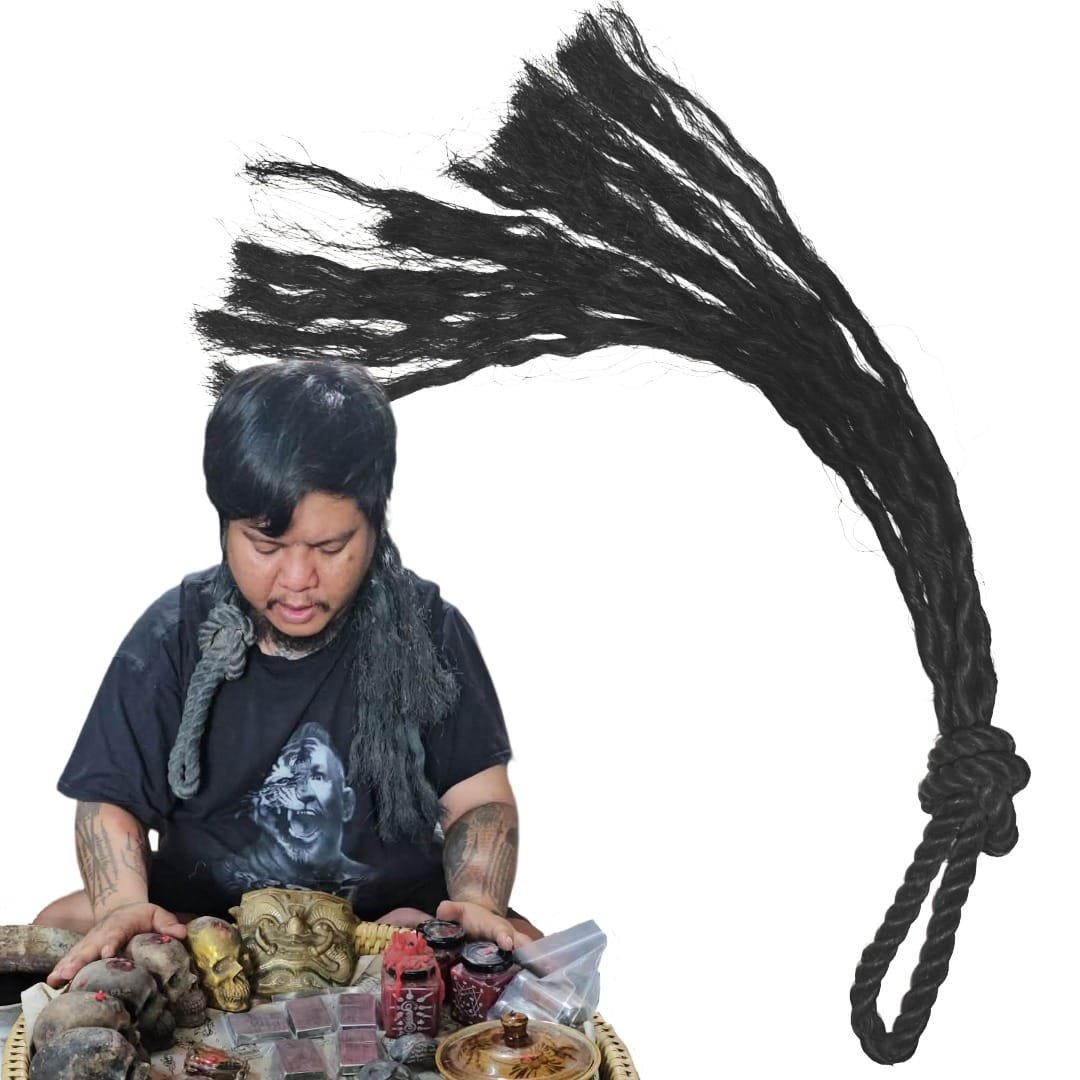
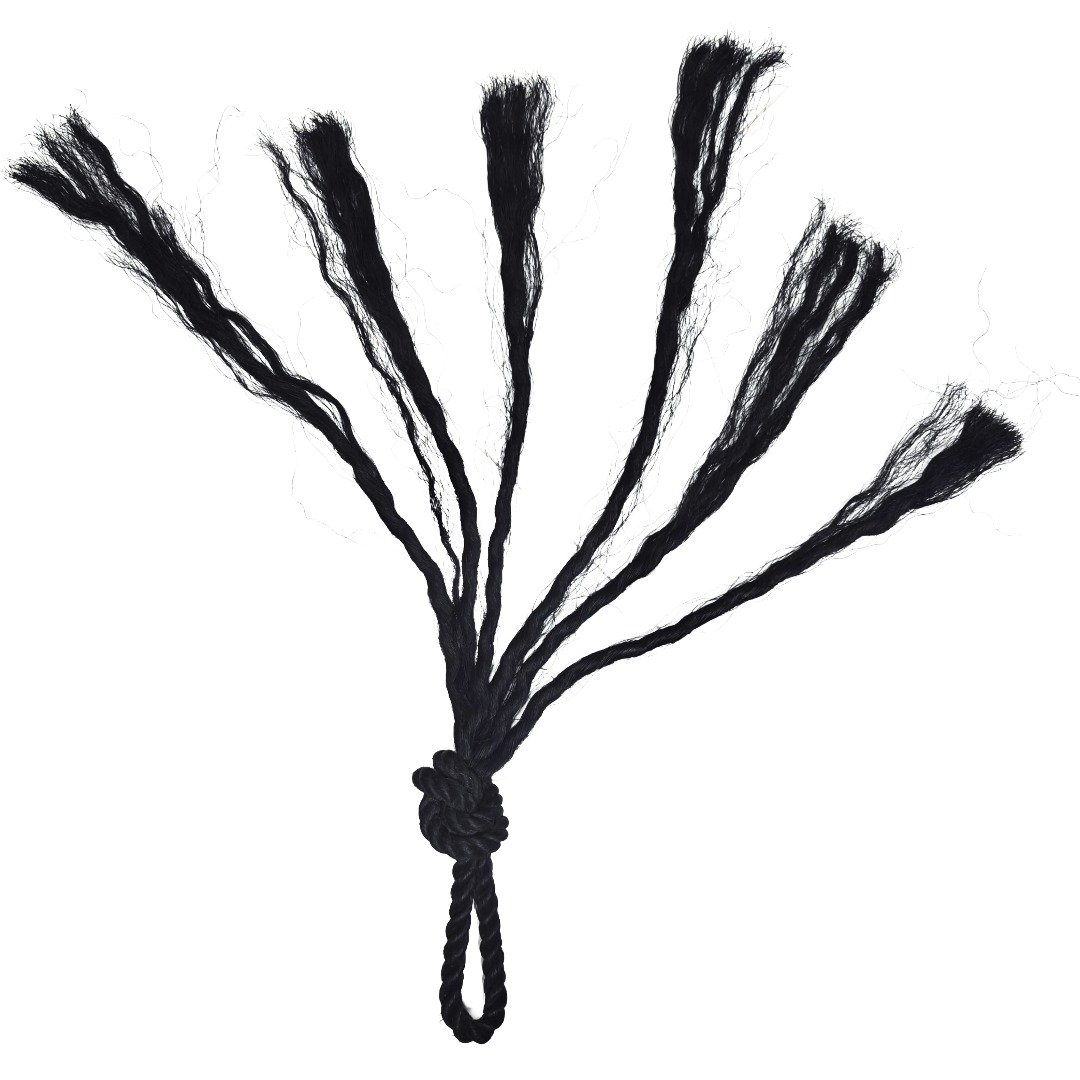
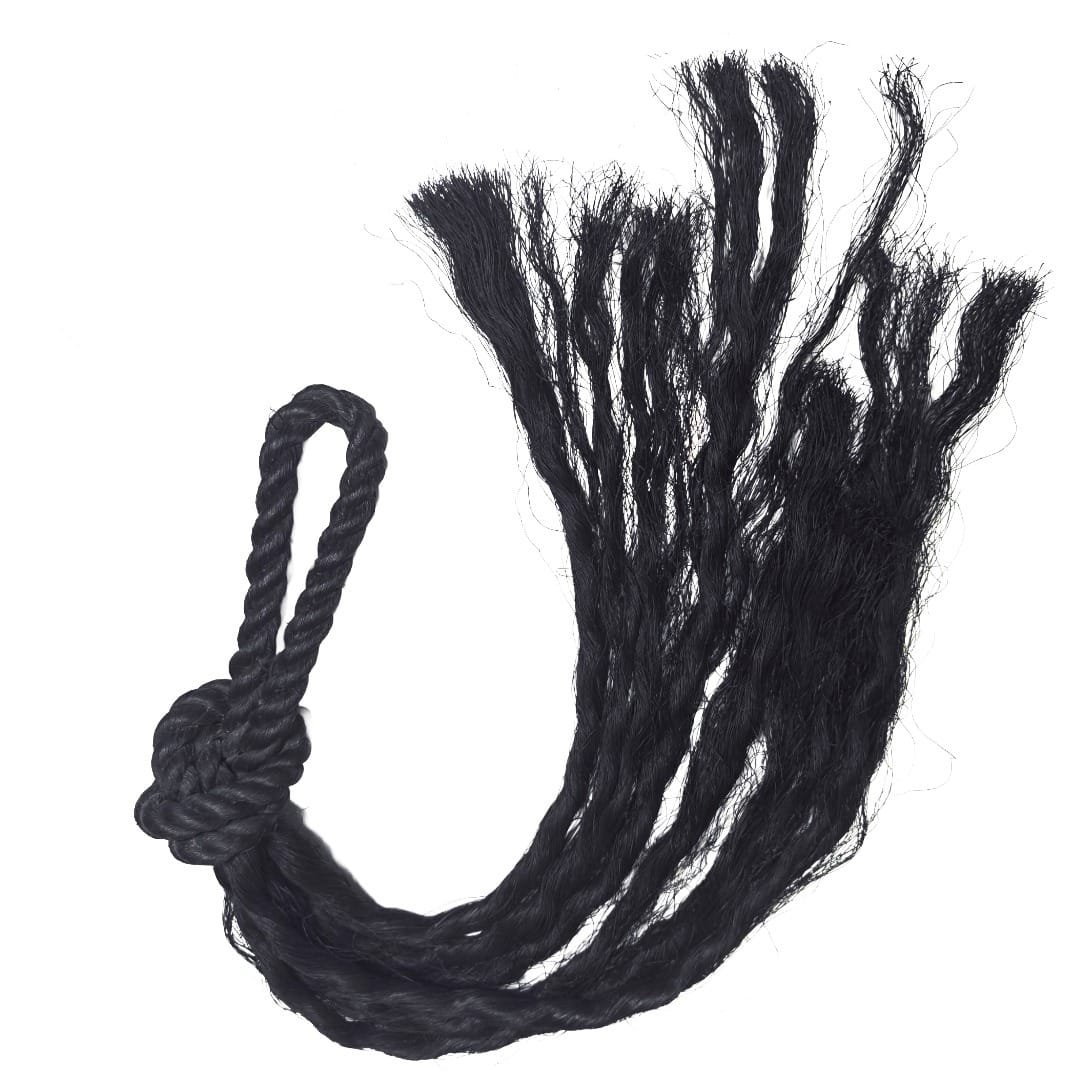
Ajarn Kitkamo | Personal ritual tool | Only 2 originally made | Size: 88 cm approx.
You give your Prai orders, but they don’t always listen. Some simply ignore your instructions, while others take far too long to respond. You can give them offerings and take proper care of them. But that doesn’t mean every Prai will follow your commands, especially when dealing with the more hardcore ones.
And when that happens, giving more offerings or keeping another Prai isn’t necessarily going to help. What you need is something that can reinforce your orders and keep the Prai you already have in check.
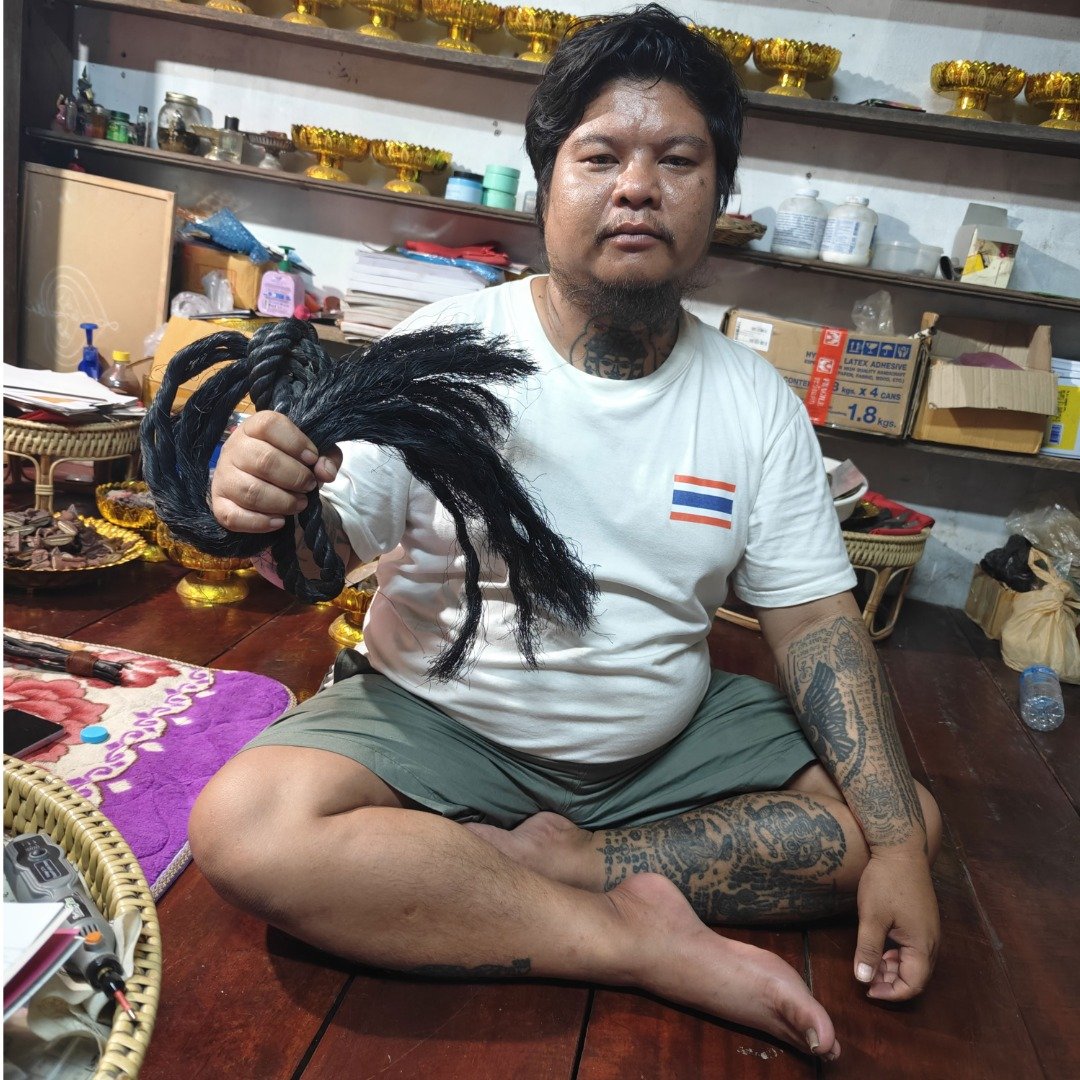
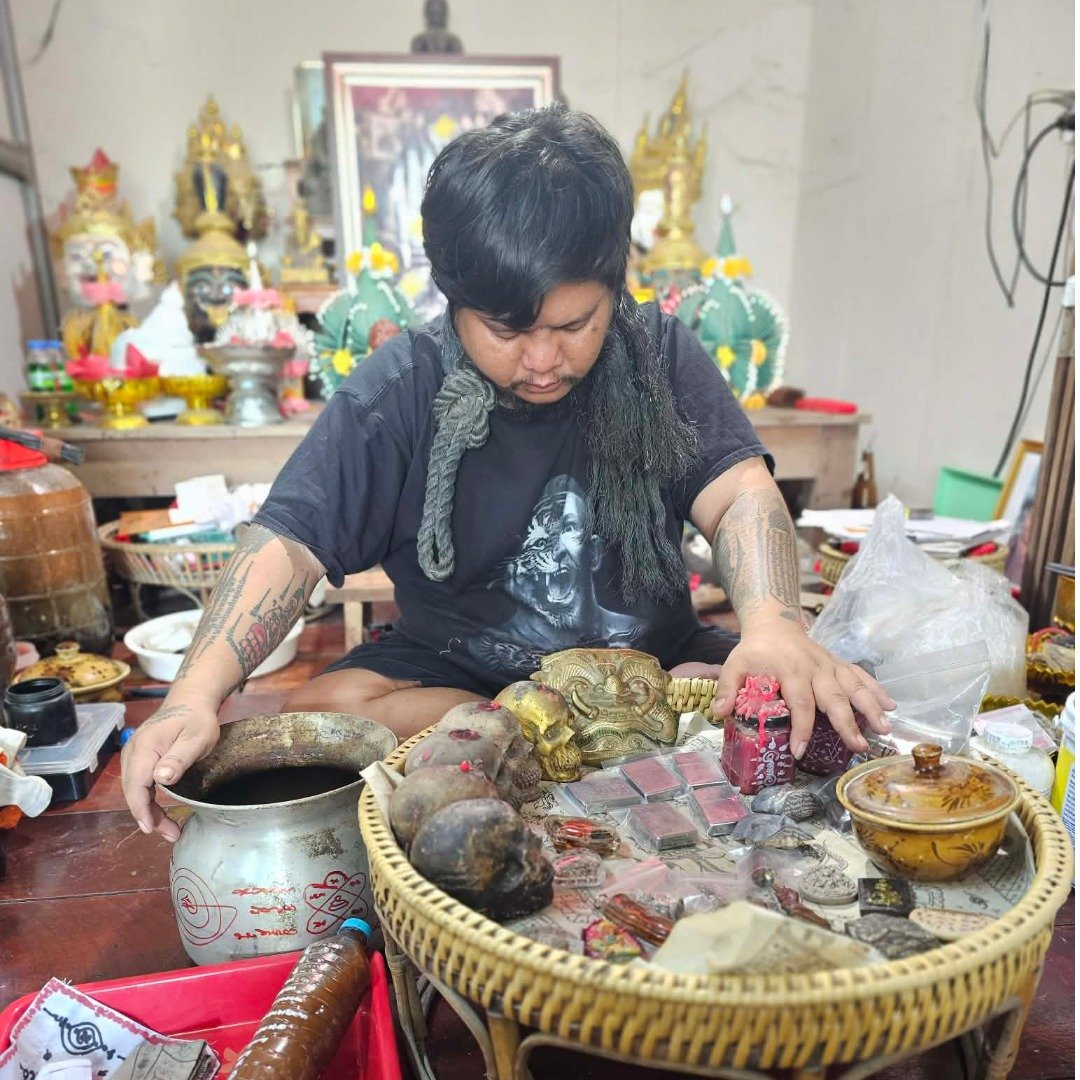
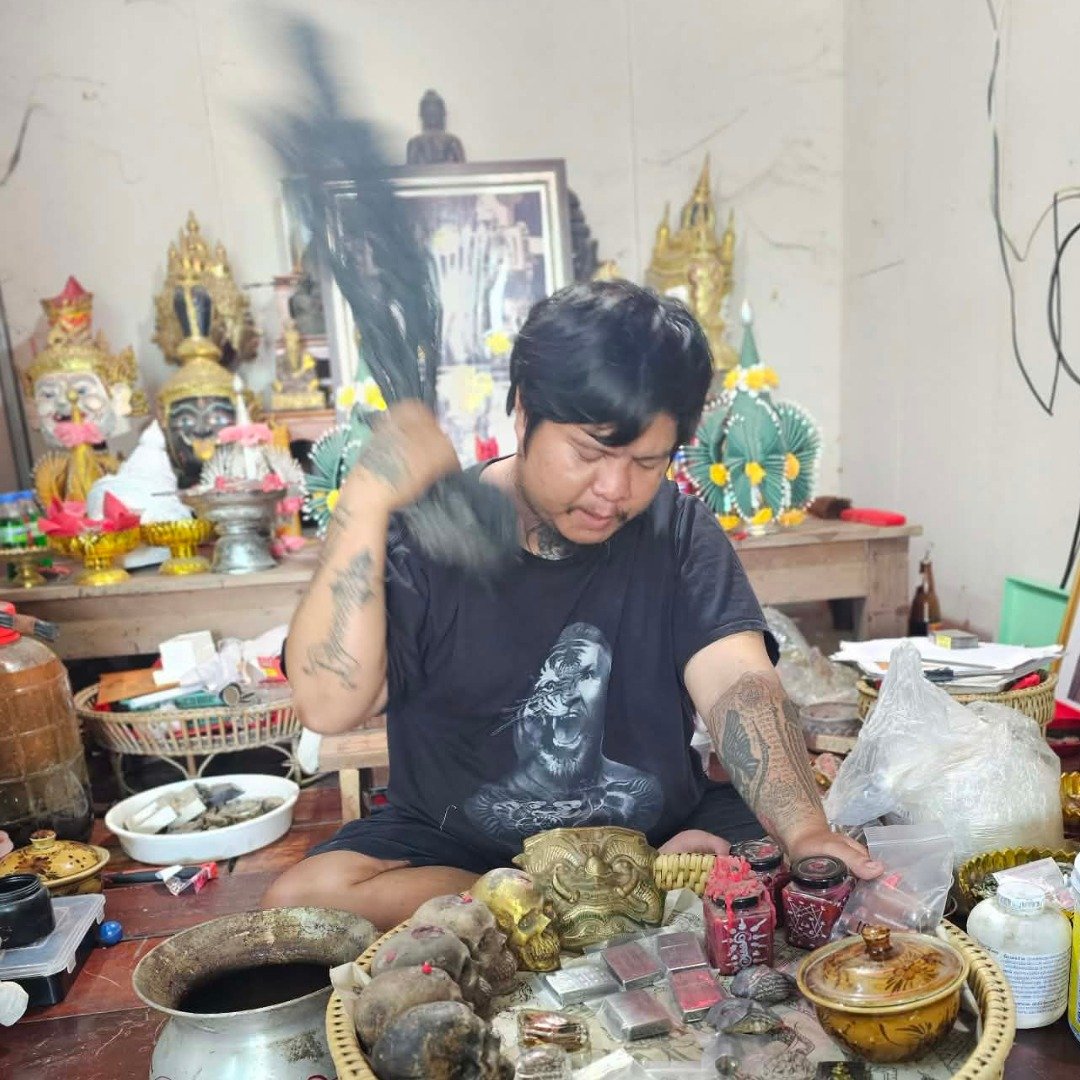
This is Ajarn Kitkamo’s own personal Prai Command Whip, which he kept, blessed and used for many years. He didn’t make it recently for sale. This was his actual ritual tool, with a history that goes back long before he obtained the rope.
Corpse-Recovery Rope — Hundreds of Phi Tai Hong
Before it became a whip, people used this rope to pull dead bodies from rivers, canals, seas and other bodies of water. According to its history, recovery workers retrieved hundreds, possibly even a thousand Phi Tai Hong using this very rope over the years.
These people met sudden, unnatural or violent deaths. Some drowned, while others may have died through accidents, suicide, murder, disasters or other unfortunate circumstances. Their bodies eventually ended up in the water. Recovery workers then used the rope to retrieve them, bringing it into direct contact with their bodies.
And this wasn’t a rope that people used for just one or two recoveries. It had reportedly served this purpose for years, handling body after body. By the time Ajarn Kitkamo obtained it, the rope already had a long history of contact with the unnaturally dead.
In Thai occult beliefs, Phi Tai Hong differ from those who passed away peacefully. Some died in fear, others in anger or suffering. Many are believed to carry sorrow, resentment, hatred and strong attachments from their final moments. This is especially so when their deaths were sudden and they still had unfinished matters.
Thai occult traditions regard such spirits as particularly fierce and difficult to handle. Their emotions are believed to grow stronger because of how their lives ended. Not every practitioner is willing or able to deal with them. This is also why certain branches of hardcore Prai Wicha place special importance on materials associated with Phi Tai Hong.
Spiritual Attachment — What Remains After Death
An old belief in Thai occult practices says that when someone dies suddenly or violently, their spirit doesn’t necessarily leave everything behind. Part of the spirit, or traces of its spiritual energy, may remain at the place of death. The same may happen with objects closely associated with that death.
Take a rope someone used to hang themselves. Even after people remove the body, the rope may still carry a spiritual connection to the deceased. The same applies to a tree where someone hanged themselves. Some people avoid such places and objects out of fear. Others deliberately seek them out for certain occult practices.
According to this belief, the connection doesn’t simply disappear because the body is gone. Objects associated with someone’s final moments may still retain part of their spiritual presence. This is especially so when the death involved strong emotions or happened suddenly or violently.
Why This Corpse-Recovery Rope Is Different
The same idea applies to this corpse-recovery rope, although its history differs from that of a hanging rope. Instead of having a connection to just one death, it reportedly came into direct contact with hundreds, possibly even a thousand Phi Tai Hong during the recovery of their bodies.
According to the beliefs surrounding such materials, traces of their spiritual energy may have remained attached to the rope. Some traditions also believe that parts of the spirits themselves may remain. With so many recoveries involving the same material, the rope is believed to carry spiritual influences associated with those deaths.
But possessing something like this doesn’t automatically give you control over whatever may remain attached to it. A rope carrying traces of Phi Tai Hong is one thing. Having the Wicha to handle those influences, calm their unrest and make proper use of the material is another.
And that is where Ajarn Kitkamo’s years of cultivation come in.
Years of Chanting, Appeasement & Ritual Cultivation
Ajarn Kitkamo didn’t simply take the rope, turn it into a whip and start using it to command Prai.
According to his ritual account, he spent many years chanting, blessing and cultivating the whip. He gradually appeased the spirits believed to have a connection to the rope. Through his Wicha, he slowly calmed the anger, sorrow, hatred and resentment associated with these Phi Tai Hong. He then cultivated those spiritual influences and turned them into strength.
This wasn’t about beating or tormenting the spirits into obedience. Phi Tai Hong are traditionally believed to carry strong emotions because of their unnatural deaths. You cannot simply expect to command such spirits without first dealing with their unrest.
Ajarn Kitkamo gradually calmed those emotions through repeated chanting and blessings. He didn’t simply ignore the anger and resentment associated with the spirits. According to the Wicha behind the whip, he gradually settled those emotions and cultivated their spiritual influences into power for command and control.
And this wasn’t something he blessed for a few days, put aside and considered finished. He continued keeping and using the whip personally for many years. He also chanted over it and used it during his own rituals. All this cultivation took place long before he released the whip.
The rope already carried its own history from recovering the dead. Ajarn Kitkamo then spent years cultivating it into a tool he could personally use to command Prai.
That is something a newly made whip cannot simply reproduce by using similar materials.
Ajarn Kitkamo’s Personal Prai Command Whip
Ajarn Kitkamo originally had only two such whips, each made from a different corpse-recovery rope. This particular piece was one of his personal ritual tools, which he kept and used for many years.
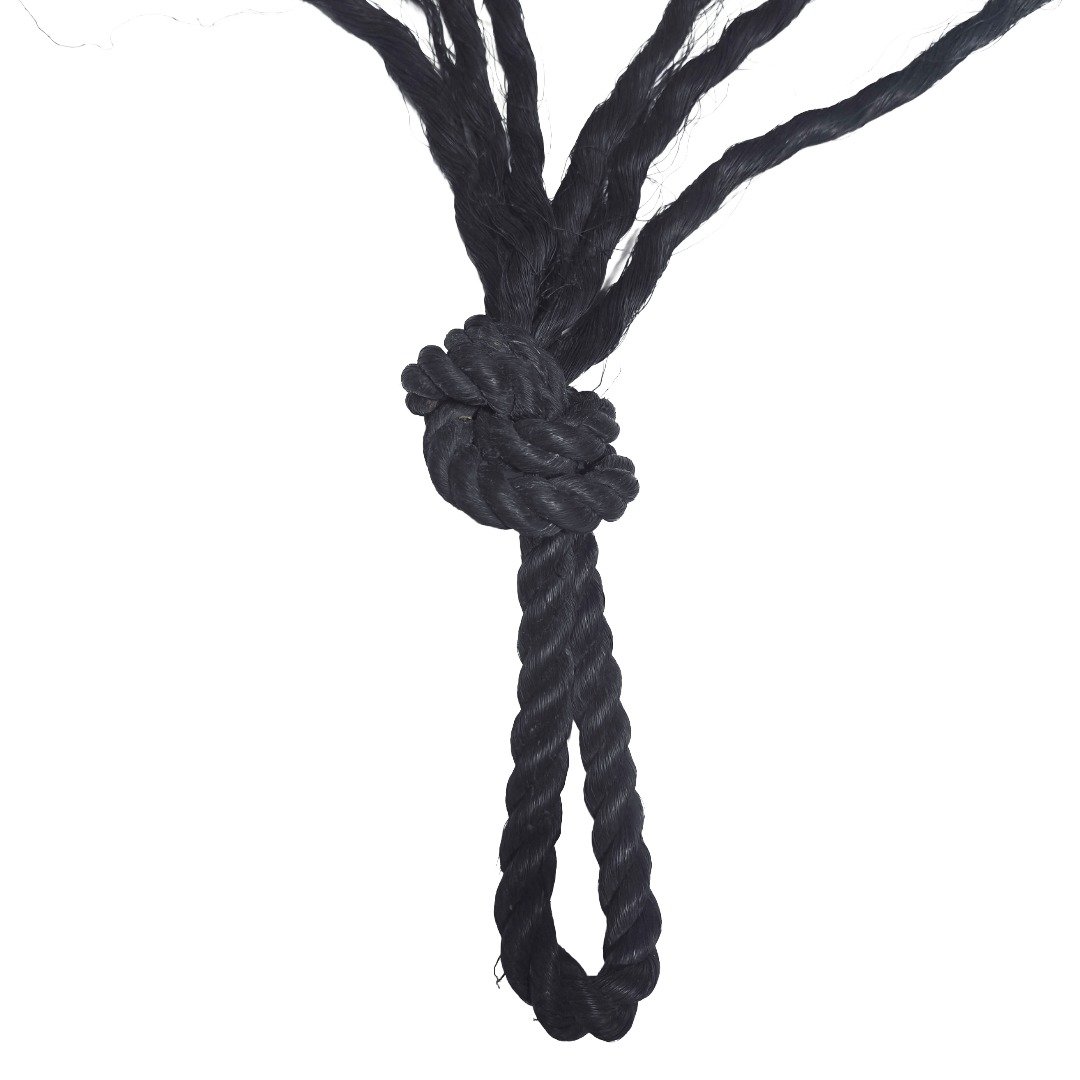
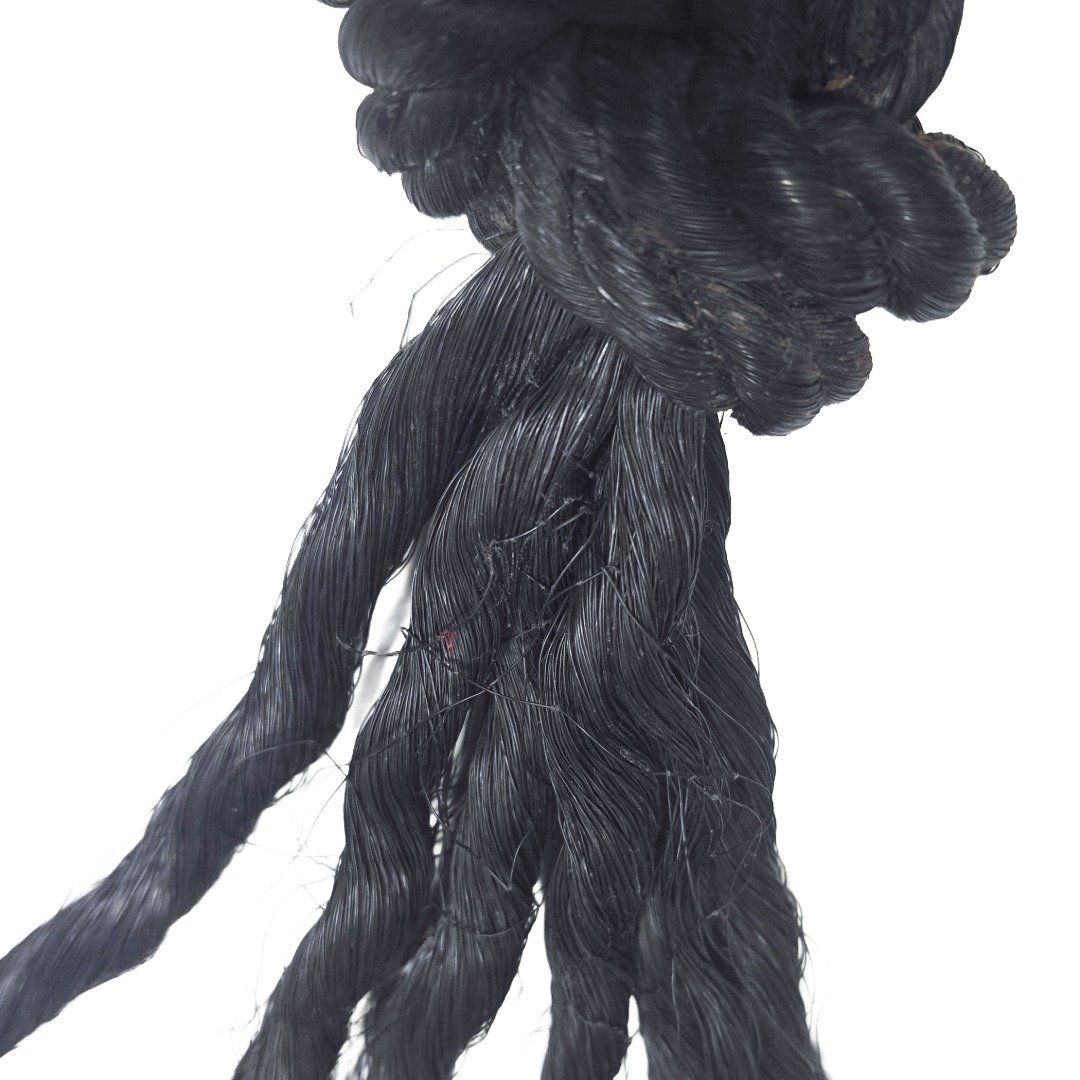
The old rope now takes the form of a multi-tailed whip, with several loose rope ends, a thick knotted section and a looped handle. It measures approximately 88 cm in length. The keeper can hold or swing it during rituals, depending on how they wish to use it.
Unlike a Prai amulet or Bucha, this whip doesn’t serve as a vessel for another spirit. It has a different purpose altogether. It helps the keeper command Prai, keep stubborn or disobedient ones in check and maintain control over spirits already under their care.
Some Prai may refuse to follow instructions, while others may take far too long to respond. The whip serves to reinforce the keeper’s orders and maintain discipline. There is no need to rely solely on offerings or repeated requests.
It doesn’t summon new Prai or bring in additional spirits. Its purpose is to command those already associated with the keeper’s amulets and Bucha, not to add more spirits to the collection.
How the Prai Command Whip Is Used
The easiest and most straightforward way is to simply keep the whip at or near the altar where you place your Prai amulets and Bucha. Even without using it directly, the whip’s presence is believed to help keep the Prai in check. It serves as a reminder that they must obey their keeper’s commands.
When needed, the keeper can also hold the whip while giving orders to Prai. It serves as a ritual tool to reinforce those commands, especially when dealing with stubborn spirits that refuse to listen.
Another method is to swing the whip or flick it against the floor, much like using an actual whip. This reinforces the order without physically striking anything else.
The keeper can also symbolically whip Prai amulets and Bucha. This doesn’t mean striking them hard or damaging them. The movement targets the spirits associated with those objects, not the physical amulets or Bucha themselves.
Although it resembles a whip, its purpose is command and control, not punishment or harm. It isn’t meant to injure or torment spirits, and it cannot summon new Prai.
And despite the hardcore material and its history, the whip isn’t restricted to Ajarns or experienced practitioners. Ordinary Prai keepers can use it too, whether they keep just one Prai or several.
Years in Ajarn Kitkamo’s Hands
Many ritual tools contain unusual materials. Some makers bless their tools and release them shortly afterwards. Others keep and use them personally for years.
This piece belongs to the latter.
The rope had already helped recover an enormous number of Phi Tai Hong before Ajarn Kitkamo obtained it. Someone eventually fashioned the rope into a command whip. Ajarn Kitkamo then spent years chanting over it, blessing it, cultivating it and using it in his own rituals.
This was Ajarn Kitkamo’s actual personal Prai Command Whip, not a newly made item containing corpse-related materials and carrying his name.
For those who already keep hardcore Prai, this isn’t another spirit to make offerings to or another amulet to add to the collection. It is a ritual tool Ajarn Kitkamo personally used to command Prai and keep them under control.
𝗘𝗳𝗳𝗲𝗰𝘁𝘀
Based on ancient & traditional beliefs, this is said to:
- Command Prai and other spirits already under the keeper’s care.
- Keep stubborn or disobedient Prai under control.
- Reinforce orders and maintain discipline over Prai through ritual use.
🔱𝑺𝒉𝒐𝒈𝒖𝒏𝑿 𝑨𝒎𝒖𝒍𝒆𝒕𝒔
𝑾𝒉𝒆𝒓𝒆 𝒚𝒐𝒖𝒓 𝒔𝒑𝒊𝒓𝒊𝒕𝒖𝒂𝒍 𝒋𝒐𝒖𝒓𝒏𝒆𝒚 𝒃𝒆𝒈𝒊𝒏𝒔
WhatsApp directly: https://wa.me/6580444447/
Email: shogunxamulets@gmail.com




Reviews
There are no reviews yet.