 FREE Shipping in Singapore (All Items) | $10 to Malaysia & Brunei | $15 to everywhere else | $60 vis FEDEX or $30 Vis SingPost to USA
* Overseas rate applies to small items only - large items may cost more.
FREE Shipping in Singapore (All Items) | $10 to Malaysia & Brunei | $15 to everywhere else | $60 vis FEDEX or $30 Vis SingPost to USA
* Overseas rate applies to small items only - large items may cost more.
Description
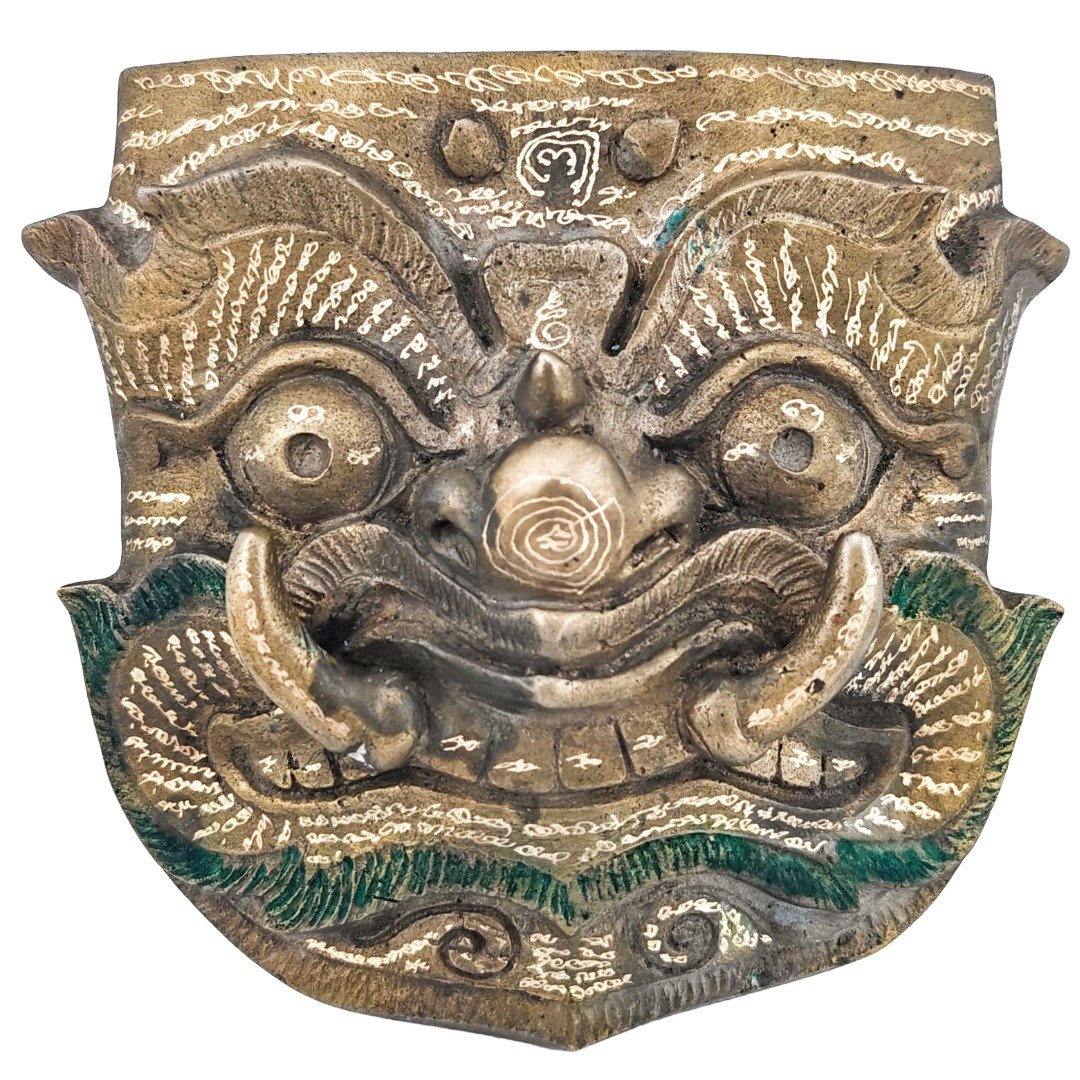
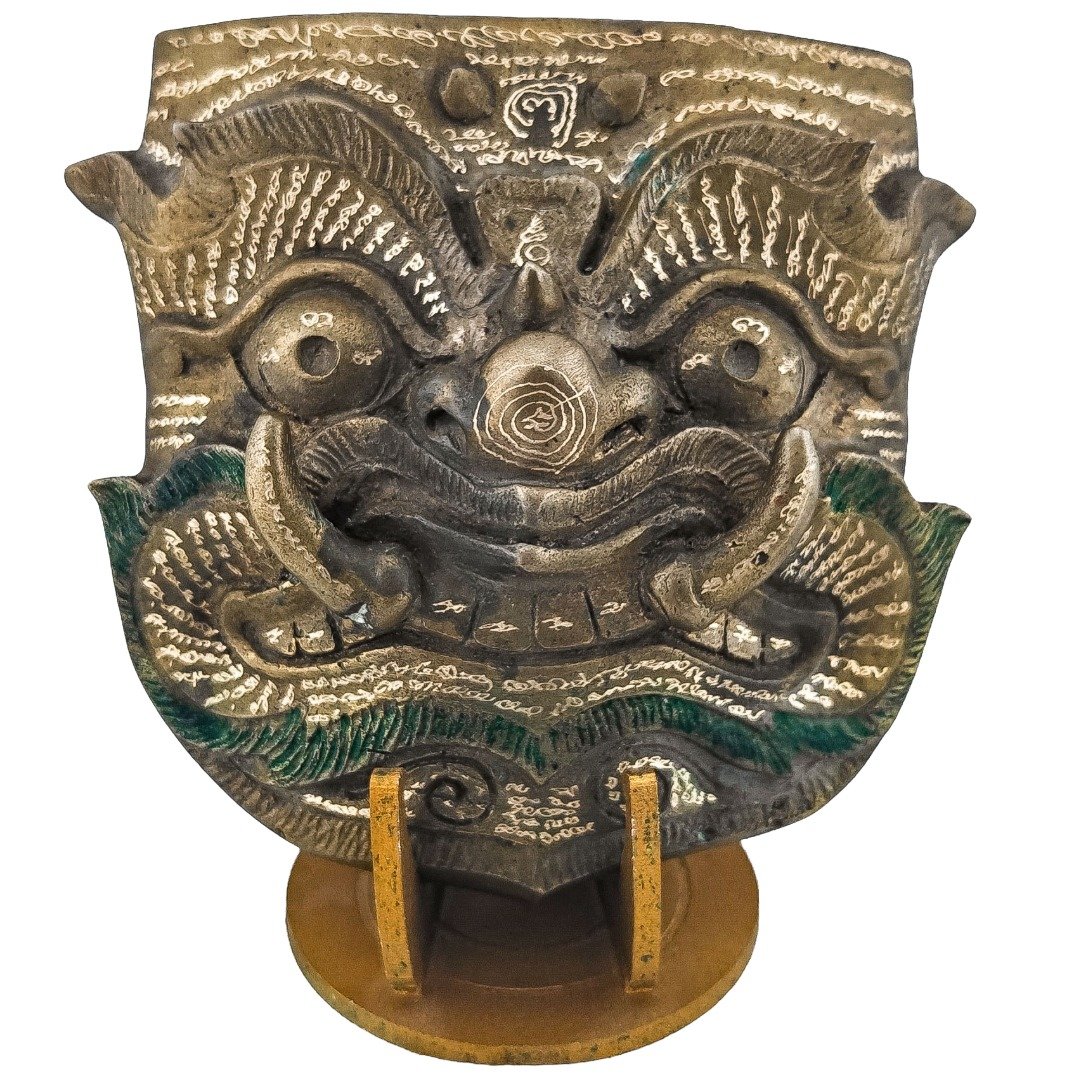
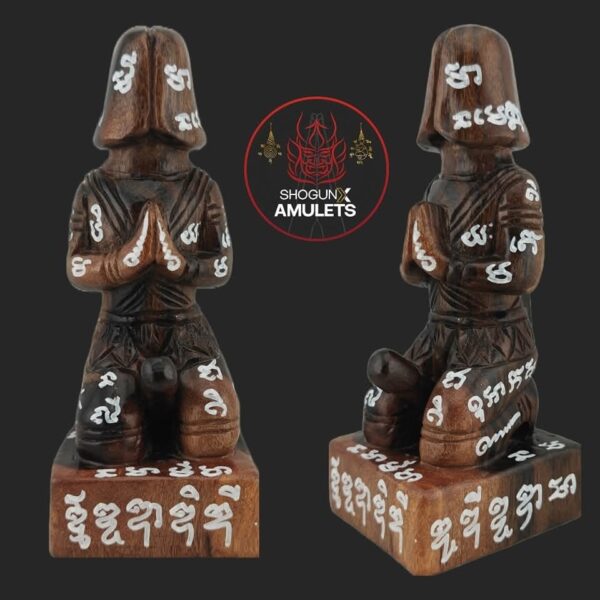
Ajarn Kitkamo | BE 2569 | One of a Kind | Size: 14 x 14.8 x 2.5 cm | Wooden Stand included for free
𝑾𝒉𝒂𝒕 𝒎𝒂𝒌𝒆𝒔 𝑷𝒉𝒂𝒚𝒂 𝑷𝒖𝒓𝒊𝒔𝒂𝒕 𝒇𝒓𝒊𝒈𝒉𝒕𝒆𝒏𝒊𝒏𝒈 𝒊𝒔 𝒏𝒐𝒕 𝒔𝒊𝒎𝒑𝒍𝒚 𝒕𝒉𝒂𝒕 𝒉𝒆 𝒄𝒂𝒏 𝒕𝒂𝒌𝒆 𝒓𝒆𝒗𝒆𝒏𝒈𝒆. 𝑰𝒕 𝒊𝒔 𝒕𝒉𝒂𝒕 𝒉𝒆 𝒄𝒂𝒏 𝒅𝒐 𝒊𝒕 𝒇𝒐𝒓 𝒚𝒐𝒖 — 𝒘𝒊𝒕𝒉𝒐𝒖𝒕 𝒘𝒂𝒊𝒕𝒊𝒏𝒈 𝒇𝒐𝒓 𝒚𝒐𝒖 𝒕𝒐 𝒂𝒔𝒌.
Phaya Purisat, also commonly known as Phi Lu, is one of the fiercer figures in old Northern Thai and Lanna belief. Old traditions describe him as a ghost-eating yak guardian. His wicca covers protection, control over hostile spirits and dealing with forces that cross the line.
However, simply calling Phi Lu a protector misses the darker side. Old belief says Phaya Purisat can act on the owner’s behalf, return what was done and take revenge when someone deliberately causes harm.
𝗔 𝗚𝗨𝗔𝗥𝗗𝗜𝗔𝗡 𝗧𝗛𝗔𝗧 𝗔𝗡𝗦𝗪𝗘𝗥𝗦 𝗕𝗔𝗖𝗞
Not every attack comes from a ghost or spiritual force. Sometimes another person creates the problem. People lie, cheat, sabotage opportunities, damage reputations or deliberately create losses because they expect to benefit.
A normal protection piece tries to stop the damage. Phaya Purisat goes one step further in traditional belief. He deals with the source. When someone knowingly harms the owner, Phi Lu can return the consequences towards whoever started it.
More importantly, the owner does not need to keep naming a target. He also does not need to request retaliation every time something happens. Old belief says Phi Lu can recognise when someone has wronged the owner and respond on his behalf.
Because of this, Phaya Purisat differs from a simple return-to-sender piece. You may ignore the matter, forgive, or not even know who caused it yet. Phi Lu does not need to wait for your anger before he acts.
𝗪𝗛𝗘𝗡 𝗦𝗢𝗠𝗘𝗢𝗡𝗘 𝗣𝗥𝗢𝗙𝗜𝗧𝗦 𝗙𝗥𝗢𝗠 𝗬𝗢𝗨𝗥 𝗟𝗢𝗦𝗦
There is an even darker side to this revenge belief. When someone deliberately makes another person lose, the damage often goes further. One person loses the customer, deal, opportunity, money or luck. Meanwhile, somebody else gains from it.
Certain Phi Lu beliefs say he can turn that advantage around. He can pull luck, opportunity or fortune away from the person who caused the loss and bring it back towards the owner.
Therefore, the wealth side of Phaya Purisat feels very different from ordinary wealth attraction. It is not simply about asking for more money or luck. It is about refusing to remain the loser after somebody deliberately made you one.
If somebody stole an opportunity through dirty means, the owner wants opportunities back. If another person’s actions damaged his luck, he wants that luck restored. Likewise, if somebody profited by putting him down, traditional belief says that advantage can turn against them.
This is why revenge, protection and wealth sit naturally together here. Protection guards what belongs to you. Revenge deals with those who deliberately try to take it away.
𝗣𝗛𝗔𝗬𝗔 𝗣𝗨𝗥𝗜𝗦𝗔𝗧 — 𝗧𝗛𝗘 𝗚𝗛𝗢𝗦𝗧-𝗘𝗔𝗧𝗜𝗡𝗚 𝗬𝗔𝗞
The old description of Phi Lu as a ghost-eating yak tells you much about his nature. He does not represent something that hides from hostile spirits. Nor does he simply create a barrier against them.
Instead, old belief places him on the side that hostile spirits should fear.
That fierce yak nature links Phaya Purisat with suppression, control and hard protection. Therefore, the revenge side does not feel out of place. It takes the same idea further once something has already crossed the line.
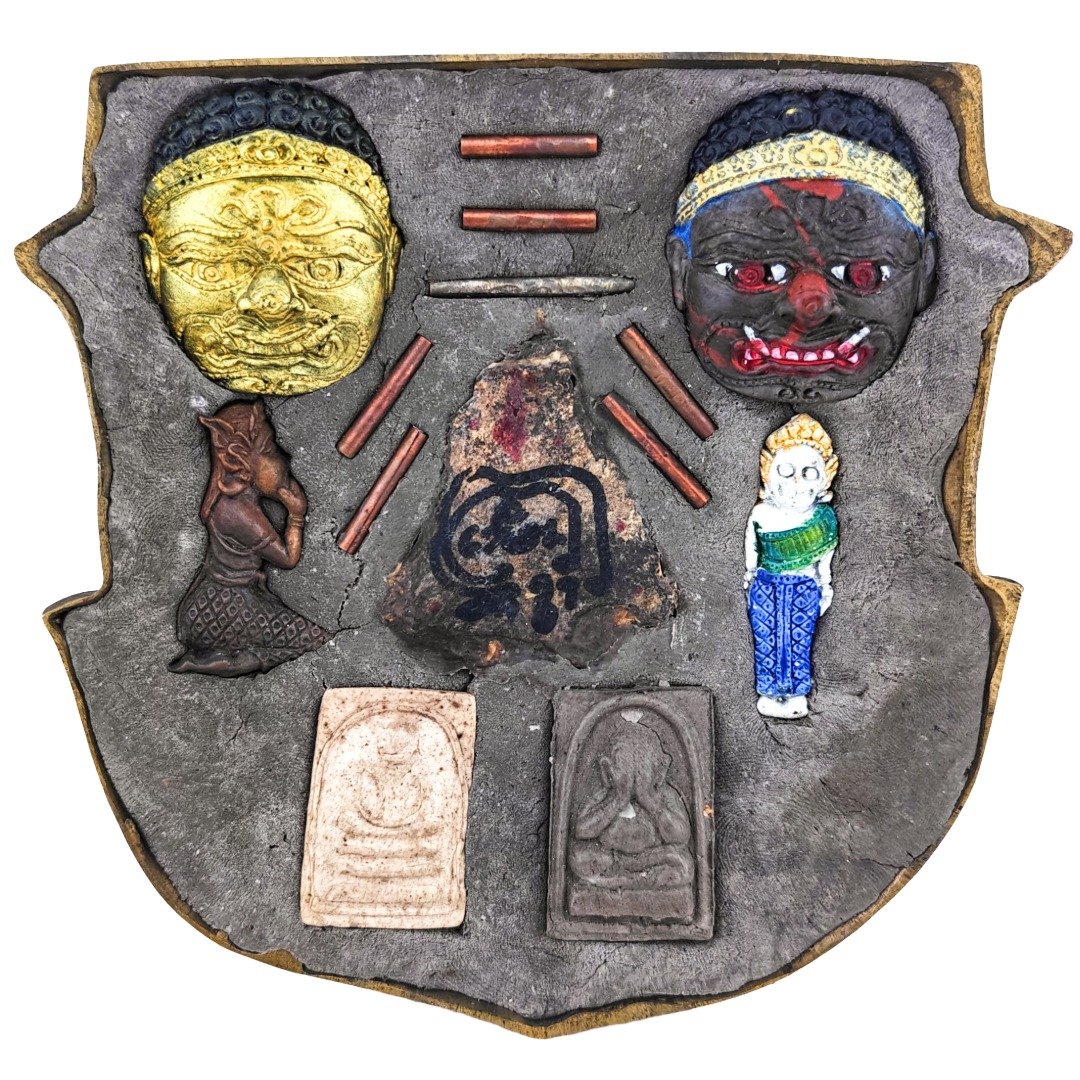
Ajarn Kitkamo then strengthened this yak direction by placing three Mae Yak inside the piece.
𝗙𝗥𝗢𝗠 𝗔𝗝𝗔𝗥𝗡 𝗞𝗜𝗧𝗞𝗔𝗠𝗢’𝗦 𝗣𝗘𝗥𝗦𝗢𝗡𝗔𝗟 𝗖𝗢𝗟𝗟𝗘𝗖𝗧𝗜𝗢𝗡
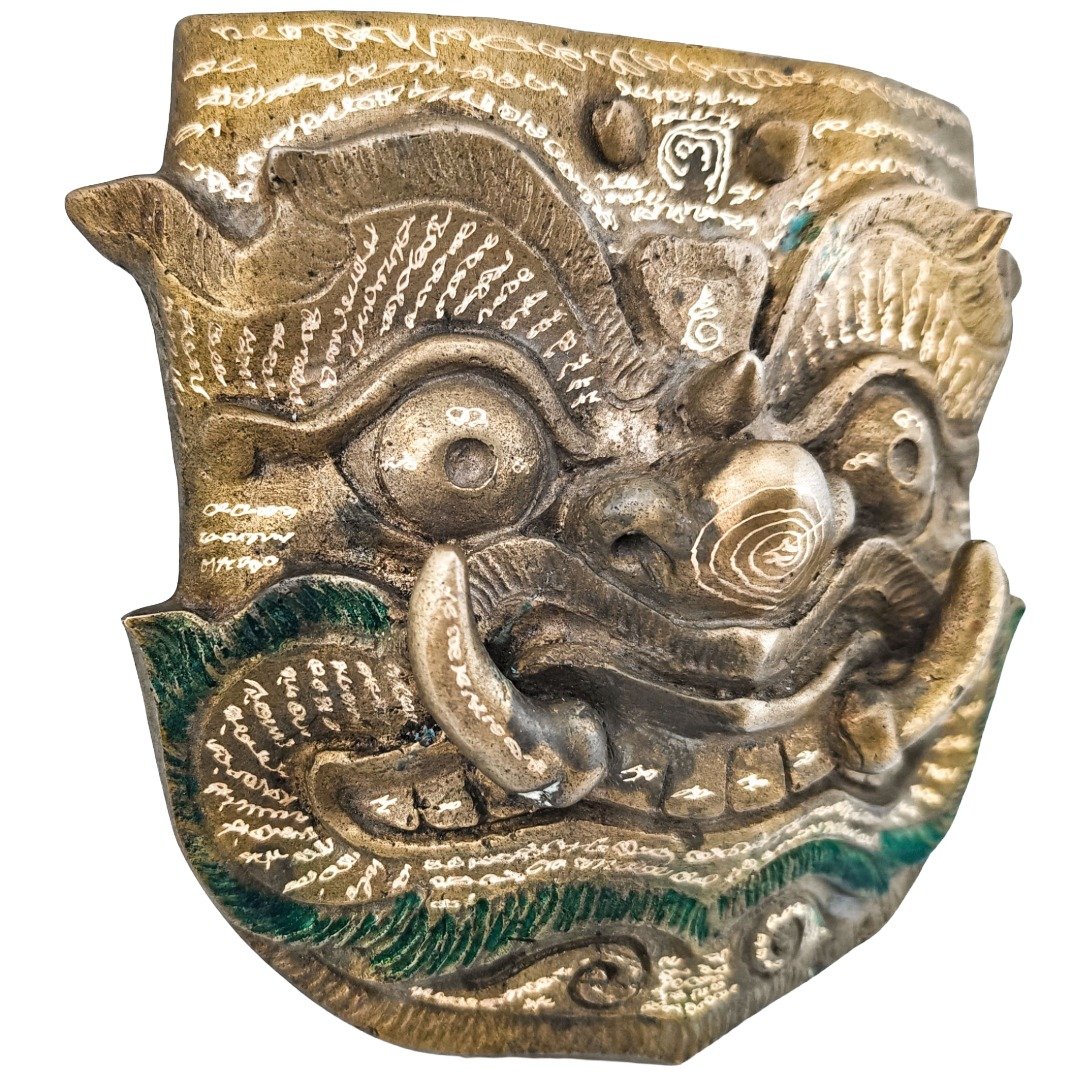
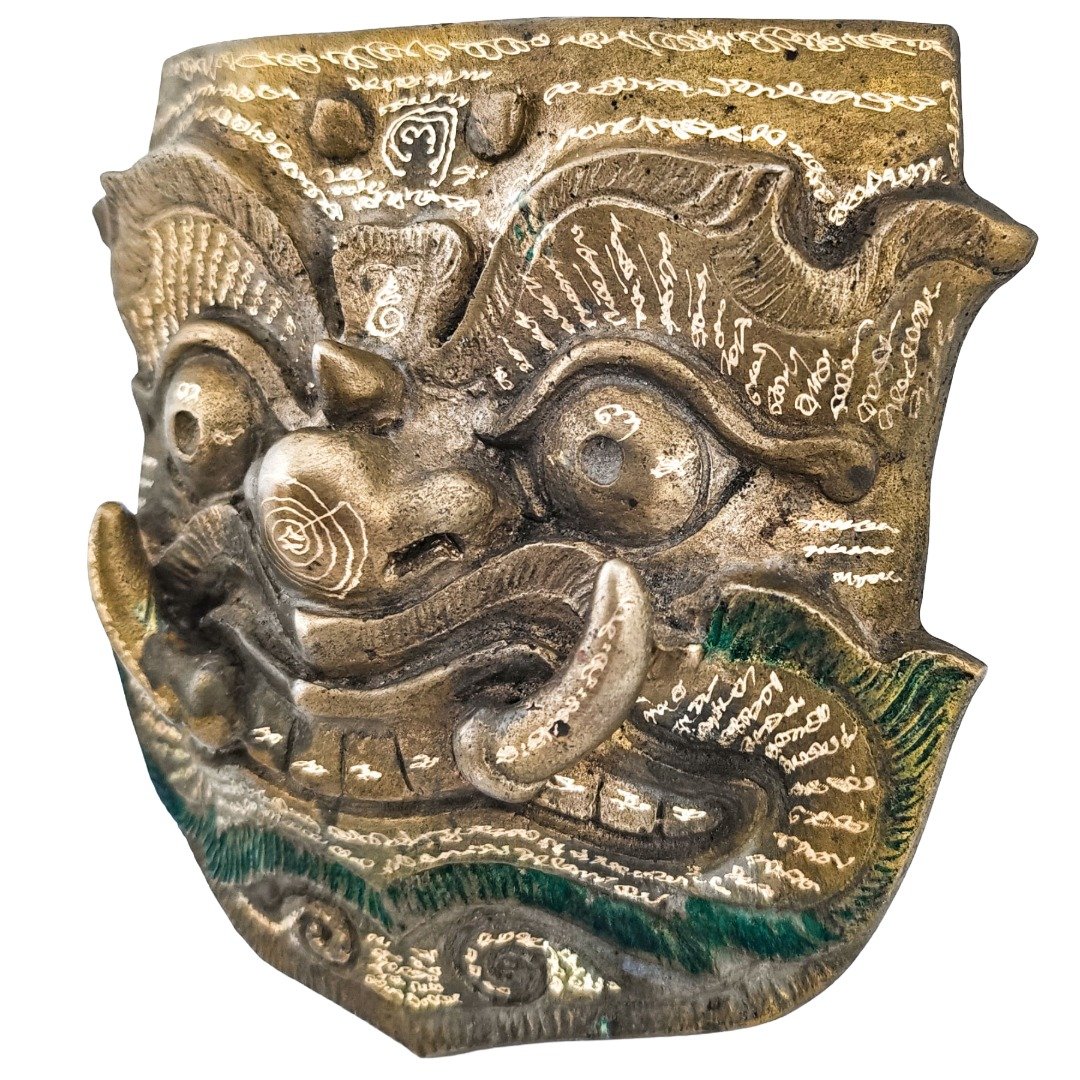
The Phaya Purisat mask at the centre of this piece was not newly obtained for another amulet release. Ajarn Kitkamo kept this mask in his own personal collection for many years.
Only much later did he decide to turn it into the finished piece seen today. He filled it with selected materials and Prai Murn Sarn, completed the construction and finally released it to us.
Therefore, the mask already had years of history with Ajarn Kitkamo before this present construction existed.
Ajarn Kitkamo also hand-engraved yants all around the front of the Phaya Purisat mask. He worked directly into the surface by hand. No printed pattern or laser engraving replaced the handwork.
The result keeps the raw character that suits Phaya Purisat. Moreover, this finished piece is one of a kind, with no second piece from the same release.
𝗧𝗛𝗥𝗘𝗘 𝗠𝗔𝗘 𝗬𝗔𝗞 — 𝗧𝗛𝗘 𝗦𝗘𝗖𝗢𝗡𝗗 𝗙𝗢𝗥𝗖𝗘
Behind Phaya Purisat sit three Mae Yak, making them the strongest secondary presence within the piece.
Mae Yak means female yak or giantess wicca. She should not be treated as simply another female prai. Depending on the lineage, Mae Yak carries strong saneh, metta, attraction, luck and wealth together with the harder nature of yak.
That harder side includes force, authority and fierce protection. Because of this, Mae Yak fits naturally beside Phaya Purisat.
Phi Lu remains the main force for revenge, retaliation and protection. Meanwhile, the three Mae Yak add another fierce yak presence together with saneh, attraction, luck and wealth.
This also gives the piece a much wider use beyond conflict. Revenge remains there when somebody gives it a reason to surface. At the same time, saneh, attraction, people support, luck and wealth remain useful in everyday life.
𝗔 𝗛𝗘𝗔𝗩𝗬 𝗣𝗥𝗔𝗜 𝗖𝗢𝗡𝗦𝗧𝗥𝗨𝗖𝗧𝗜𝗢𝗡
Ajarn Kitkamo filled the mask with a special blend of Prai Murn Sarn. This forms the heavy spirit base underneath the rest of the construction.
Inside are also two Prai Somdej. The name sounds unusual because Somdej and prai usually belong to very different sides of Thai amulet wicca.
However, the combination itself is not new. Thai amulet history already has Somdej forms containing prai materials, including examples made with Pong Prai Kuman. Prai Somdej is uncommon, but the idea has existed before.
Alongside the two Prai Somdej and three Mae Yak sits a panneng, adding another much heavier prai element.
Ajarn Kitkamo then used a special old batch of Prai See Pheung. He smeared it directly along the side of the panneng instead of simply mixing it into the overall murn sarn.
Because of this, the old Prai See Pheung sits directly against the panneng. Its saneh and attraction side therefore joins one of the heavier prai materials inside the piece.
Finally, Ajarn Kitkamo added Nang Kwak. In Thailand, Nang Kwak remains one of the best-known forms for calling customers, attracting business, opening opportunities and drawing wealth towards the owner.
Everything inside has a clear role. Phaya Purisat leads through revenge and protection. The three Mae Yak reinforce the fierce yak side while adding attraction, luck and wealth. Nang Kwak strengthens business and wealth attraction. Meanwhile, the panneng, old Prai See Pheung, Prai Somdej and Prai Murn Sarn build the heavier spirit foundation underneath.
These materials widen the effects, but they do not change the main direction. This remains, first and foremost, a Phaya Purisat piece built around revenge.
𝗥𝗘𝗩𝗘𝗡𝗚𝗘 𝗪𝗜𝗧𝗛𝗢𝗨𝗧 𝗕𝗘𝗜𝗡𝗚 𝗔𝗦𝗞𝗘𝗗
Some revenge wicca starts with a target. The owner makes a request, names the problem and asks for something to happen.
Phi Lu carries a far darker reputation.
Traditional belief says he can act when the situation itself gives him a reason.
That does not mean the owner should constantly look for enemies. Nor does it mean asking Phi Lu to punish everyone over small matters. Instead, the owner lives normally and handles what he can himself.
However, if someone deliberately goes after your money, name, business, luck or peace, Phaya Purisat can recognise that the line has been crossed and retaliate without waiting for another request.
You do not always know who works behind your back. Likewise, you do not always see betrayal before the damage appears. Sometimes you understand what happened only after somebody else has already benefited from it.
That is where the darker reputation of Phi Lu becomes important. Traditional belief says he does not need you to discover the betrayal first.
𝗘𝗳𝗳𝗲𝗰𝘁𝘀 – –
Based on ancient & traditional beliefs, this is said to:
- Act on behalf of the owner when facing deliberate harm or wrongdoing
- Take revenge against those who knowingly cause harm
- Return ill intent and harmful actions towards their source
- Turn situations back against those deliberately creating loss or trouble
- Pull lost luck, opportunities and advantage back towards the owner
- Protect against evil spirits, hostile forces and unseen harm
- Strengthen saneh, metta, attraction and support from others
- Attract wealth, customers, business and financial opportunities
- Improve luck and useful connections
- Help break repeated obstacles and prolonged periods of bad luck
- Suppress disturbing spirits, nightmares and spiritual unease
𝗪𝗛𝗬 𝗞𝗘𝗘𝗣 𝗣𝗛𝗜 𝗟𝗨
Most people do not keep something like this because they spend every day thinking about revenge. That would miss the point of Phaya Purisat completely.
The darker part of Phi Lu is that the owner does not need to keep asking. Someone can cheat without admitting it, sabotage you without showing his face or take an opportunity while pretending to stand beside you. By the time you understand what happened, the damage may already be done.
That is why this particular piece stands out. Ajarn Kitkamo kept the Phaya Purisat mask in his own collection for many years before finally completing it. He then added three Mae Yak and the heavy prai construction around its darker revenge direction.
You do not keep Phaya Purisat because you are looking for someone to take revenge on. You keep him because if somebody gives him a reason, traditional belief says he can act before you ever need to ask.
🔱𝑺𝒉𝒐𝒈𝒖𝒏𝑿 𝑨𝒎𝒖𝒍𝒆𝒕𝒔
𝑾𝒉𝒆𝒓𝒆 𝒚𝒐𝒖𝒓 𝒔𝒑𝒊𝒓𝒊𝒕𝒖𝒂𝒍 𝒋𝒐𝒖𝒓𝒏𝒆𝒚 𝒃𝒆𝒈𝒊𝒏𝒔
WhatsApp: https://wa.me/6580444447/
Email: shogunxamulets@gmail.com

Reviews
There are no reviews yet.