 FREE Shipping in Singapore (All Items) | $10 to Malaysia & Brunei | $15 to everywhere else | $55 to USA
* Overseas rate applies to small items only - large items may cost more.
FREE Shipping in Singapore (All Items) | $10 to Malaysia & Brunei | $15 to everywhere else | $55 to USA
* Overseas rate applies to small items only - large items may cost more.
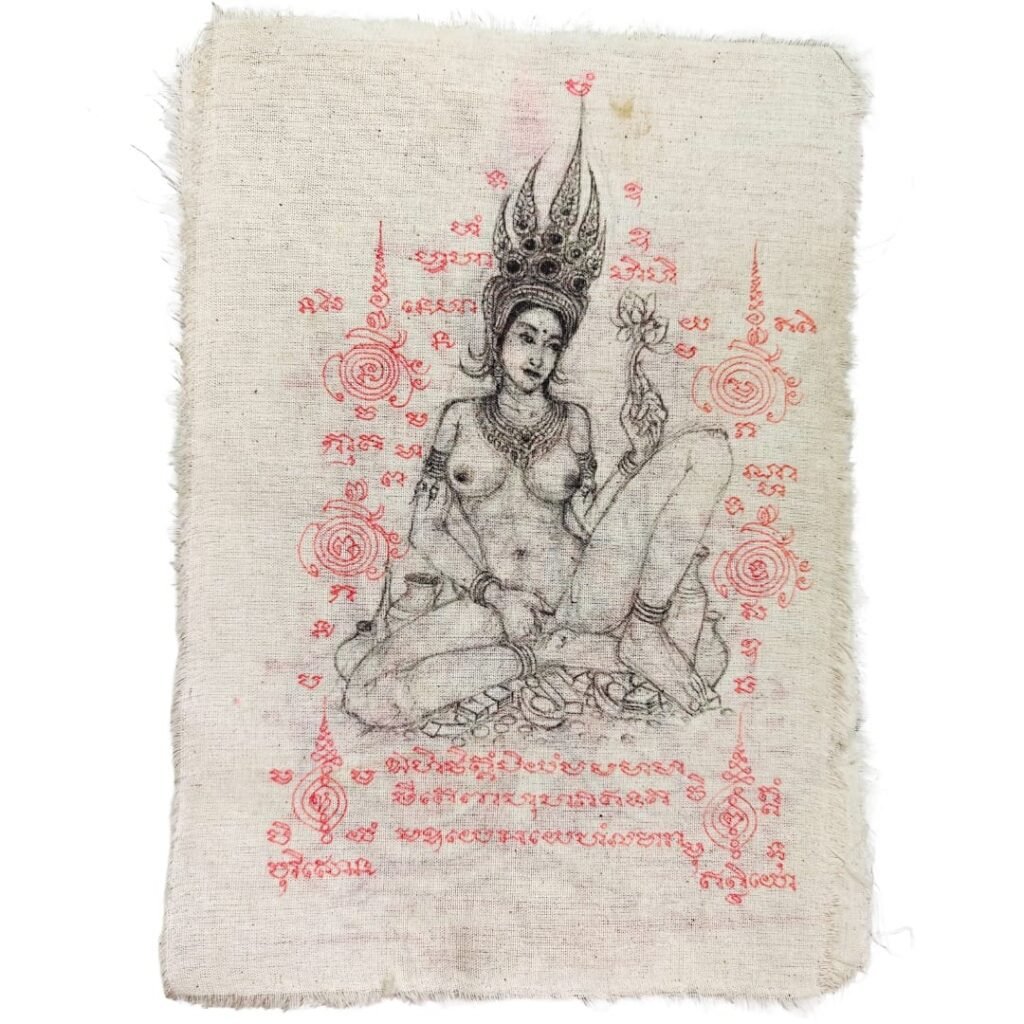
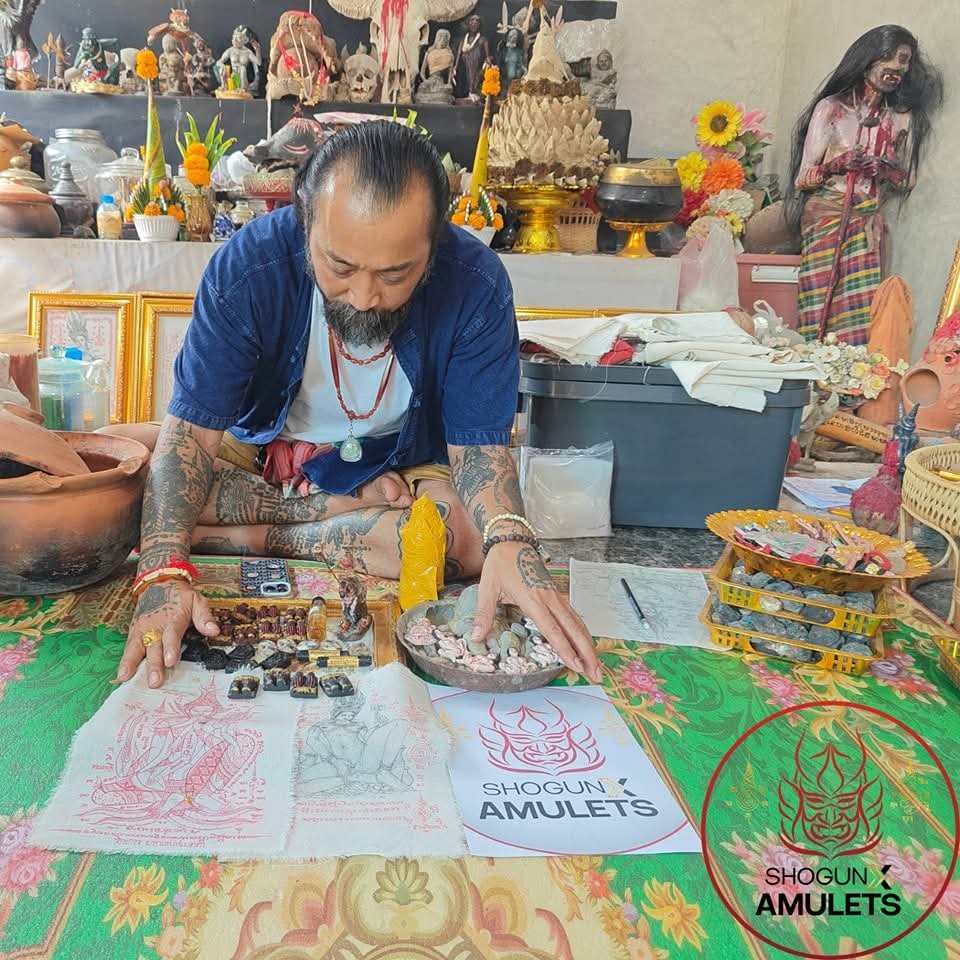
Ajarn Dlaw | BE 2568 | Size: 31 x 21 cm
The Kind of Presence People Notice — But Cannot Explain
Sometimes you meet someone and immediately feel drawn to them.
Conversations become easier.
People become more welcoming.
Opportunities open with less resistance.
It is not intimidation.
It is not force.
It is presence.
Across Buddhist and Southeast Asian sacred tradition, that quality has long been symbolised by a particular celestial form — the Apsara.
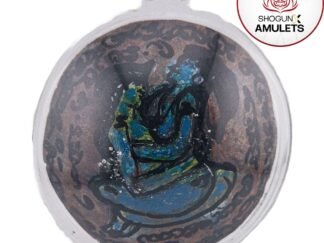
This hand-drawn Apsara phayant by Ajarn Dlaw (BE 2568) carries the image of that heavenly maiden archetype — a being associated with grace, charm, and the subtle ability to draw positive attention.
Not aggressive power.
But something often far more effective.
Magnetic presence.
The Apsara Phayant — Celestial Maidens of Buddhist Cosmology
In Buddhist and Southeast Asian sacred art, Apsaras appear as celestial dancers of the heavenly realms. Their presence is not decorative; it carries symbolic meaning.
These beings are traditionally associated with:
-
Refined beauty of the higher realms
-
Grace and elegance that naturally attract admiration
-
Harmony and joyful presence
-
The ability to soften hearts and influence perception
Across ancient temples and sacred carvings, Apsaras appear in scenes connected to divine courts and heavenly worlds.
Because of this symbolism, the Apsara archetype has long been associated with energies connected to:
-
Personal charm and magnetism
-
Favorable social reception
-
Relationship harmony
-
Gentle influence rather than domination
It represents the power of drawing people toward you naturally.
Hand-Drawn Sacred Work
Unlike printed ritual cloths, this phayant is fully hand-drawn.
In traditional practice, drawing the form itself becomes part of the ritual process. The practitioner transfers intention directly into the artwork, embedding meaning into every line and symbol.
Hand-drawn pieces carry several unique characteristics:
-
No two pieces are exactly the same
-
Each line reflects the practitioner’s hand and intent
-
The ritual process begins during the act of drawing itself
Subtle variations in line pressure and structure confirm that this is genuine hand work rather than printed or transferred imagery.
Sacred Design & Composition
The structure of the phayant combines symbolic imagery with sacred yantra formations.
At the centre sits the Apsara figure, portrayed with a calm yet captivating presence.
Surrounding elements guide and contain the working of the piece.
Key visual elements include:
-
Crowned celestial headdress representing authority of the heavenly realms
-
Lotus held in hand, symbolising purity and spiritual elevation
-
Spiral yantra formations associated with attraction and energetic pull
-
Encircling sacred script ring directing and containing the intention
-
Traditional cloth base, commonly used for phayant workings intended for placement or carry
Together these elements create a balanced sacred composition.
Placement & Traditional Use
Phayants are traditionally used in several ways depending on the practitioner’s preference.
Common placements include:
-
Within a room or workspace to influence the surrounding atmosphere
-
Near business areas to encourage welcoming interactions
-
Carried or kept nearby for personal alignment with the energy
Because the Apsara archetype is associated with charm and social receptivity, this type of piece is especially suited for individuals whose paths involve regular interaction with others.
Examples include:
-
Business owners and entrepreneurs
-
Sales professionals
-
Artists and performers
-
Individuals seeking smoother social or relationship dynamics
𝗘𝗳𝗳𝗲𝗰𝘁𝘀 – –
Based on ancient & traditional beliefs, this is said to:
-
Increase charm and personal magnetism
-
Encourage positive attention and goodwill
-
Improve how others emotionally receive you
-
Support attraction and relationship harmony
-
Enhance social influence and likeability
-
Promote smoother interactions and communication
Collector Notes
Hand-drawn phayants have long been appreciated by collectors due to their individuality.
Unlike printed pieces where hundreds may appear identical, hand-rendered ritual cloths always carry subtle variations that make each example unique.
When combined with a celestial archetype such as the Apsara, the piece represents a rare blend of:
-
Spiritual symbolism
-
Traditional ritual craftsmanship
-
Sacred artistic expression
For collectors and practitioners alike, such pieces often become meaningful additions to personal collections or spiritual spaces.
🔱𝑺𝒉𝒐𝒈𝒖𝒏𝑿 𝑨𝒎𝒖𝒍𝒆𝒕𝒔
𝑾𝒉𝒆𝒓𝒆 𝒚𝒐𝒖𝒓 𝒔𝒑𝒊𝒓𝒊𝒕𝒖𝒂𝒍 𝒋𝒐𝒖𝒓𝒏𝒆𝒚 𝒃𝒆𝒈𝒊𝒏𝒔
PM us now or message directly: https://wa.me/6580444447


Reviews
There are no reviews yet.